

Marylene Cloitre, PhD
2025 ISTSS Lifetime Achievement Awardee
Senior Research Scientist and Research Professor, NYU Silver School of Social Work
Lifetime Achievement Keynote - Advancing the Frontiers of Complex PTSD: Innovations in Conceptualization, Assessment, and Treatment
In 2019 the World Health Organization (WHO) accepted complex posttraumatic stress disorder (CPTSD) alongside PTSD into the 11th edition of the International Classification of Diseases (ICD-11). The keynote will provide a brief history of CPTSD, the rationale for the introduction of partnered PTSD and CPTSD diagnoses into the ICD-11and a description of the development of their distinct symptom profiles. Well-established self-report and clinician administered assessment measures will be reviewed as well as their applicability across different languages and cultures. Differential risk factors, prevalence rates, comorbidities and long-term consequences between ICD-11 PTSD and CPTSD will be reviewed. A description of the similarities and differences between CPTSD and borderline personality disorder (BPD) and clinical implications will be provided. Evidence regarding the clinical utility of having two distinct disorders regarding understanding etiology, environmental impacts, cognitive appraisals, chronicity and treatment will be discussed. Emerging evidence regarding strategies for treating CPTSD and future directions for treatment development will be discussed.
Biography
Dr. Marylene Cloitre is a Senior Research Scientist and Research Professor of the NYU Silver School of Social Work. Her long-standing research and clinical interests have concerned the long-term effects of psychological trauma on the social and emotional functioning of children, youth and adults. She played a central role in the organization of the mental health response to the 9/11 attacks in New York City and is a member of the advisory board for the 9/11 Memorial Museum. She was a member of the World Health Organization (WHO) ICD-11 working group on trauma-spectrum disorders and helped guide the development of the Complex PTSD diagnosis implemented by the WHO. Her current research is dedicated to the development of effective, patient-tailored, flexibly delivered mental health programs for PTSD, Complex PTSD and other trauma-related problems.

Jo Robinson, PhD
Associate Professor, Head of Suicide Prevention Research, Orygen; Centre for Youth Mental Health, University of Melbourne
President, International Association for Suicide Prevention
Right Here, Right Now: Preventing Youth Suicide in the Digital Age
Novel approaches that are co-designed with young people are urgently required to tackle suicide risk in young people. Prof Jo Robinson, leader of the University of Melbourne Youth Suicide Prevention Research Unit and President of the International Association for Suicide Prevention, will elaborate on her pioneering work developing and testing novel interventions targeting suicide risk and translating evidence-based insights into practice and policy. In this keynote, she will discuss #chatsafe, a set of evidence-based guidelines that leveraged policy, industry and educational approaches to equip youth to more safely communicate about suicide online with peers. These world-first guidelines have been translated into 28 languages, embedded into Meta’s Safety Centre and included in national and international suicide prevention policies, as well as WHO guidelines for media. She will also describe a national survey of broad social and structural determinants driving suicide risk in young Australians and the novel ecological momentary assessment study that will inform the development of a suite of ‘just in time’ interventions that can be deployed to young people where and when they need them.
Biography
Jo Robinson AM is a Professor at Orygen, the Centre for Youth Mental Health at the University of Melbourne, where she leads the Youth Suicide Prevention Research Unit.
Prof Robinson’s work focuses on the development, and testing, of novel interventions that specifically target at risk youth across settings, on evidence synthesis, and on the translation of research evidence into practice and policy. Her work has a strong focus on the potential of social media platforms in suicide prevention. This includes the development of the #chatsafe guidelines, the first evidence-based best practice guidelines for safe peer-peer communication about suicide online.
Prof Robinson also has a keen interest in policy development and evaluation and has led the development of several major policy reports and briefings and is regularly called upon to provide advice to both state and federal government. She is Co-Chair of the Federal Government’s Anti-Bullying Rapid Review, a member of the Expert Advisory Group for the Development and Implementation of the Suicide Prevention Strategy for Victoria and former member of the Expert Advisory Group for the Development of the National Suicide Prevention Strategy. She was also a member of the Expert Advisory Group for the Special Advisor to the Prime Minister on Suicide Prevention and Co-chair of a Technical Advisory Group for the Development of the National Stigma Strategy.
She is President and former Vice-President of the International Association for Suicide Prevention and co-chair of an International Taskforce into Suicide Prevention in Women and Girls. She is a member of the Self-injury Advisory Group for Meta and was an advisory board member for the Oprah Winfrey production The Me You Can’t See.
Frontiers in Treatment: Multimodal Approaches to Treating Patients with PTSD More Effectively
Discussant: Paula Schnurr, PhD, National Center for PTSD
Participants: Eric Vermetten, MD, PhD; Ariel Lang, PhD, MPH; Kerry Ressler, MD, PhD; Sonya Norman, PhD
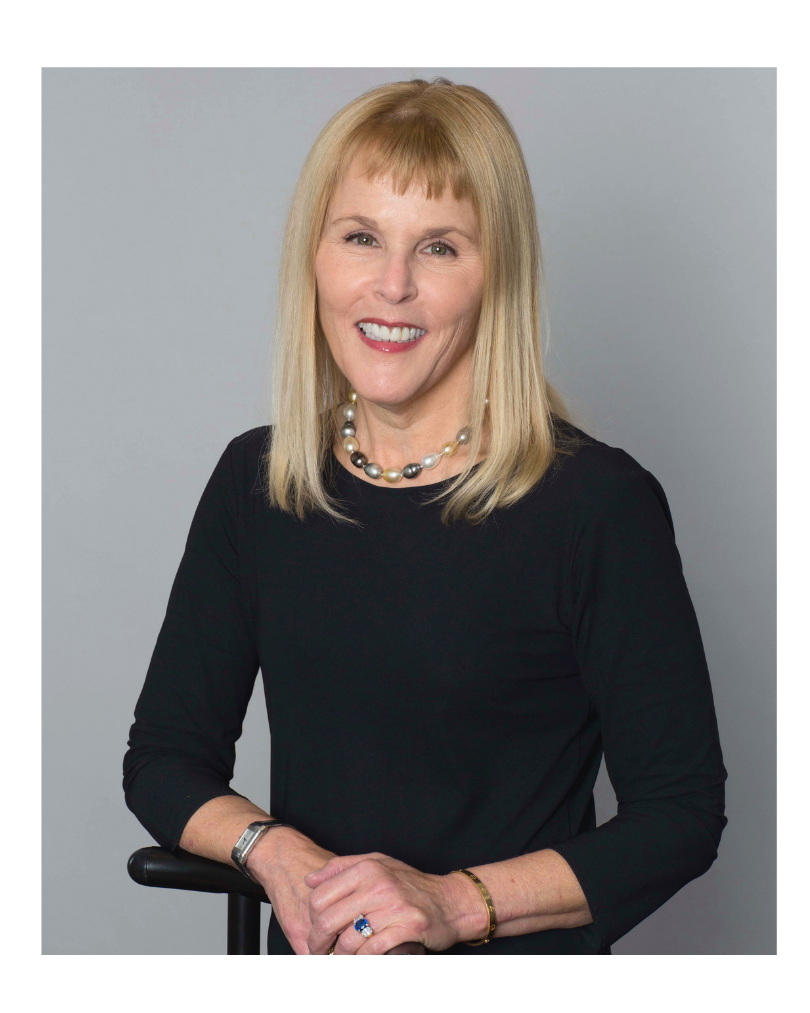
Paula Schnurr, PhD
Executive Director, National Center for Posttraumatic Stress Disorder in the Department of Veterans Affairs Office of Mental Health
Biography
Dr. Paula Schnurr is a psychologist who is Executive Director of the National Center for Posttraumatic Stress Disorder in the Department of Veterans Affairs Office of Mental Health. She previously served as the Center’s Deputy Executive Director, beginning in 1989 as one of the Center’s founders. She is a Professor of Psychiatry at the Geisel School of Medicine at Dartmouth and is Editor-in-Chief of the Clinician’s Trauma Update–Online. Dr. Schnurr is Past-President of the International Society for Traumatic Stress Studies, and former Editor-in-Chief of the Journal of Traumatic Stress. She is a fellow of the American Psychological Association. Her research focuses PTSD treatment and on risk and resilience factors associated with the long-term physical and mental health outcomes of traumatic exposure.
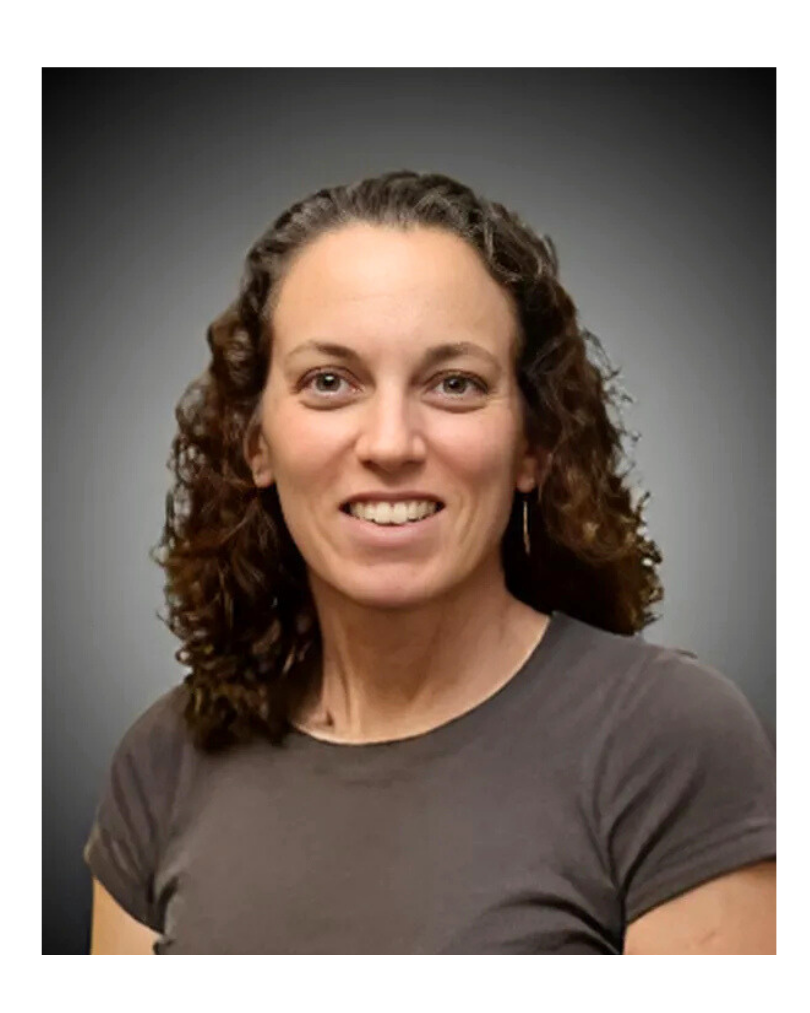
Ariel J. Lang, PhD, MPH
Director, VA San Diego Center of Excellence for Stress and Mental Health (CESAMH)
Biography
Ariel J. Lang, PhD, MPH, is the Director of the VA San Diego Center of Excellence for Stress and Mental Health (CESAMH) and a Professor in the University of California San Diego Department of Psychiatry and Herbert Wertheim School of Public Health and Human Longevity Science. Dr. Lang's research and clinical work primarily involves assessment and treatment of trauma-related disorders. She is particularly interested in novel interventions and increasing engagement in psychotherapy. Her recent work has emphasized the use of complementary and alternative techniques, including yoga and meditation, for the treatment of PTSD.

Eric Vermetten, MD, PhD
Staff Psychiatrist, Professor of Psychiatry, Leiden University Medical Center
Biography
Dr. Vermetten has held significant roles in military mental health and psychiatry, now serving as a Staff Psychiatrist and Professor of Psychiatry at Leiden University Medical Center. Previous roles include strategic advisor for military mental health in the Netherlands Ministry of Defence, head of research for military mental health, and staff positions in academic and military hospitals. He served as a consultant to the United Nations and contributed to the Mental Health Strategy and the Digital Platform for Uniformed Personnel. He recently chaired the new guideline for treatment for PTSD for the Dutch Society of Psychiatry. His experience spans over 30 years, including psychiatric and neuroscience research roles in institutions such as Yale, Emory, and the Dutch Defence Ministry.
He recently started a Trauma Innovations Network serving as a hub for novel approaches to trauma treatment. He leads an NGO European Platform for Regulation of MDMA in Clinical Care. He is lead of the International Consortium of 3MDR. He is chair of the Global Network of Traumatic Stress in the International College of Neuropsychopharmacology.

Sonya Norman, PhD
Director, PTSD Consultation Program, U.S. National Center for PTSD
Biography
Sonya Norman, PhD, directs the U.S. National Center for PTSD’s PTSD Consultation Program and is a Professor of Psychiatry at the University of California San Diego School of Medicine. Dr. Norman is a clinical psychologist and a researcher in the treatment of PTSD and addictions, and in novel treatments to address trauma-related guilt, shame, and moral injury. She previously directed a PTSD treatment program for U.S. Veterans who served in Iraq and Afghanistan. Dr. Norman has over 250 publications related to PTSD and associated problems and is the principal investigator of research studies funded by several U.S. federal agencies. She served as a member of the U.S. Department of Defense and Veterans Affairs PTSD Clinical Practice Guideline workgroup in 2017 and 2023 and is an elected board member of the International Society of Traumatic Stress. She received her PhD from Stanford University.

Kerry J. Ressler, MD, PhD
Chief Scientific Officer, McLean Hospital
Biography
Kerry J. Ressler, MD, PhD, is the Chief Scientific Officer at McLean Hospital and Professor of Psychiatry at Harvard Medical School. He is an international leader in understanding the biology of Posttraumatic stress disorder, and he is a member of the National Academy of Medicine, a prior HHMI Investigator, Past-president of the Society for Biological Psychiatry and the American College of Neuropsychopharmacology. He is author of >500 manuscripts, with >70,000 citations, focused on the molecular neuroscience of fear as well as the human psychobiology of stress and trauma, with more recent work examining the interaction of stress, trauma and addiction. In addition to his own preclinical and clinical labs, he is a leader of multiple national consortia, such as the Psychiatric Genomics Consortia for PTSD and the AURORA study, for deep phenotyping and understanding biomarkers and the genetic architecture of PTSD and stress-related disorders.
Breaking the Cycle: Trauma-Informed, Interdisciplinary Strategies for Supporting Vulnerable Populations in Baltimore
Community-driven, integrated approaches to trauma prevention and response.
Baltimore communities face disproportionate exposure to trauma stemming from systemic inequities, community violence, and intergenerational stress. This panel features transformative initiatives— Break the Cycle Hospital-Based Violence Intervention Program (HVIP) and HEAL Refugee Health Asylum & Collaborative—to explore how clinical, community, and global health strategies can converge to disrupt cycles of trauma and foster healing.
Drawing on insights from the 2025 Break the Cycle Baltimore Summit and ongoing fieldwork, presenters will share how trauma-informed ecosystems can integrate hospital care, mentorship, education, public health, and culturally responsive services. The Break the Cycle HVIP team will present data on reinjury reduction rates and discuss innovations in engaging vulnerable youth during critical recovery windows and building a trauma-informed workforce. HEAL will highlight approaches to trauma-informed care for refugee and asylum-seeking youth, emphasizing global collaboration, cultural humility, and interdisciplinary responses to complex trauma.

Nate Irvin, MD
Associate Professor of Emergency Medicine, Johns Hopkins
Biography
Dr. Irvin is an Associate Professor of Emergency Medicine (EM) at Johns Hopkins. He is Co-Director of the Health Humanities at Hopkins EM initiative, which offers social justice and humanities-based programming to institution, community, and national audiences.
Dr. Irvin is also medical director of the Johns Hopkins Break the Cycle Violence Intervention Program and is Dr. Irvin is also center faculty in the Johns Hopkins Bloomberg School of Public Health’s Center for Mental Health and Addiction Policy and is an expert in social emergency medicine, a discipline that explores the impact of social forces on health.
In this capacity Dr. Irvin works on addressing many of the health and behavioral problems that affect people living in urban communities including violence, trauma, HIV/AIDs and substance abuse and is staunch advocate for health equity in marginalized communities.

Amelita Woodruff, MD
Director of Diversity, Equity, and Inclusion; Division of Hospital Medicine
Biography
Dr. Amelita Woodruff , MD. is a licensed and Family Medicine board certified physician trained in the United States. She completed medical school in 2017 at the Medical College of Georgia Augusta University, and completed residency and fellowship training at the Mayo Clinic.
Dr. Woodruff has extensive experience in the evaluation of asylum seekers and leads a curriculum on trauma informed care for resident physicians in the Department of Medicine at Johns Hopkins Hospital. Dr. Woodruff is currently the Director of Diversity, Equity, and Inclusion within the Division of Hospital Medicine at Johns Hopkins.
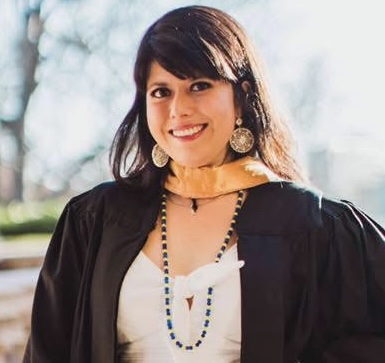
Yesenia (Yesi) Garcia
4th year PhD student, Department of Mental Health at Johns Hopkins Bloomberg School of Public Health
Biography
Yesenia (Yesi) Garcia is a 4th year PhD student in the Department of Mental Health at the Johns Hopkins Bloomberg School of Public Health. She earned her MSW from UCLA and has had clinical experience working with adolescents and youth, veterans, and geriatric populations. These experiences continue to shape her research, which focuses on the prevention and treatment of mental health challenges among youth and families living in under-resourced communities globally. She is particularly interested in applying mixed methods and multi-methods approaches, with an emphasis on measurement, program development, adaptation, and evaluation to strengthen the effectiveness of mental health interventions across diverse contexts. Currently, Yesi is involved in research projects in Indonesia, the Democratic Republic of the Congo, and Chile. She also serves as a consultant and group facilitator for HEAL, a program supporting refugee and asylum-seeking youth in Baltimore.

Nadir Y. Abdullah
VIS, Adult Trauma Surgery Department, Johns Hopkins Hospital
Biography
Nadir Y. Abdullah is a native Baltimorean raised in West Baltimore in the George B. Murphy Homes and the Lexington Terrace Housing Projects. He served time in Maryland’s Juvenile Detention Centers and was incarcerated in state and federal correctional institutions. He has been employed at Johns Hopkins Hospital for the past 24 years. He worked in the Admissions and Registration Department for 15 years as an Admission Coordinator. Six years in the Department of Psychiatry as a Patient Data Coordinator III, and 18 months in the Department of Care Coordination as a Violence Intervention Specialist for the Break the Cycle-Hospital Violence Intervention Program (BC-HVIP). Since July 1st, 2024, he has worked in the Adult Trauma Surgery Department as a VIS.
He has been certified as a Violence Prevention Professional by the Health Alliance for Violence Intervention (HAVI), and he received training in Cognitive Behavior Theory (CBT) by Roca. He is a certified trainer and mentor for the TYRO Program sponsored by the Sisters of Bon Secours under the directorship of the late Anees Abdul-Rahim. He also received Advanced Training in Regional Victim Services offered by Roper. He has an Associate of Science degree and an Associate in Arts degree. Finally, he provides mentorship to youth at Mr. Mack Lewis Boxing Foundation. He has also been recognized by both managers and peers for outstanding work performance.
Next-Gen PTSD Care: What Will the Science and Practice of PTSD Look Like by 2030?
This forward-facing discussion will explore breakthrough innovations in PTSD care, spotlighting how next-generation psychotherapies and pharmacotherapies, neurobiological and biomarker advances, and artificial intelligence, will reshape the global treatment landscape.
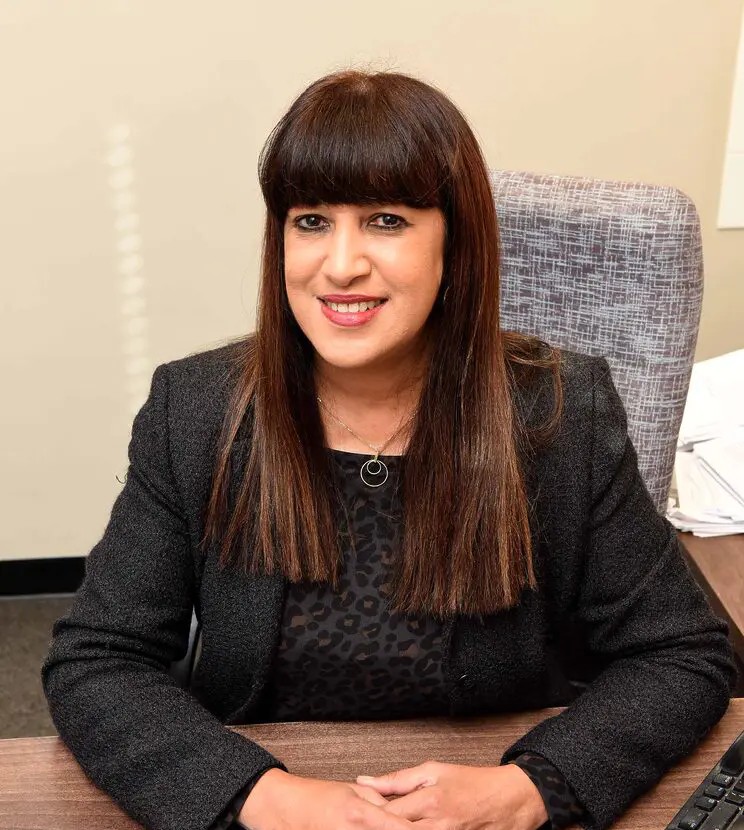
Soraya Seedat, MD, PhD
Professor of Psychiatry and Executive Head of Department of Psychiatry, Stellenbosch University
Biography
Dr. Soraya Seedat is a Distinguished Professor of Psychiatry and Executive Head of the Department of Psychiatry at Stellenbosch University. She held the South African Research Chair in Posttraumatic Stress Disorder for 15 years (until the end of 2022) and currently directs the South African Medical Research Council Unit on the Genomics of Brain Disorders. She has more than 20 years of clinical, epidemiological and basic neuroscience research experience as a psychiatrist working in the field of traumatic stress, anxiety and neuroAIDS has published over 500 peer-reviewed journal manuscripts, co-edited four books and 30 book chapters. She has served two terms as the President of the College of Psychiatrists of South Africa and three terms as Secretary and is currently a member of the Board of Directors and an Honorary Registrar of the Colleges of Medicine of South Africa. Prof Seedat is an expert in the field of posttraumatic stress disorder (PTSD) and anxiety disorders, in adolescents and adults, and in the investigation of mechanisms of risk and resilience in adolescent and adult samples and has published widely in these areas. She has ongoing projects in PTSD, anxiety disorders, neuroAIDS and fetal alcohol spectrum disorders. She has also been involved in multiple research training, capacity building and leadership development activities in sub-Saharan Africa and internationally, supported by NIMH grants and other funding initiatives.

Pamela Collins, MD, MPH
Chair, Department of Mental Health, at the Johns Hopkins Bloomberg School of Public Health
Director, Johns Hopkins Center for Global Mental Health.
Biography
Pamela Collins, MD, MPH is a Bloomberg Centennial Professor, Chair of the Department of Mental Health at the Johns Hopkins Bloomberg School of Public Health, and Director of the Johns Hopkins Center for Global Mental Health. She is a psychiatrist and mixed-methods researcher who has worked for more than 25 years at the intersection of HIV and mental health care for vulnerable populations around the world, examining the roles of stigma in vulnerability to poor health. Through her leadership of research and global health implementation programs, she has worked to expand access to HIV care for people with mental health conditions and access to mental health interventions for individuals around the world living with and at risk for HIV. A former Associate Director at the US National Institute of Mental Health, she directed the Office for Research on Disparities and Global Mental Health and launched research initiatives to broaden the evidence base for culturally congruent mental health interventions in low- and middle-income countries. She leads research on integration of mental health and HIV care for adolescents living with HIV in Kenya and is a leader of the Johns Hopkins University/Emory University Center for HIV and Mental Health Stigma Elimination Strategies. While a professor at the University of Washington, she served as Executive Director of the International Training and Education Center for Health (I-TECH), a PEPFAR-implementing partner with activities in Eastern Europe, the Caribbean, sub-Saharan Africa, and South Asia. In this role, she was PI of the HRSA-funded project, Capacity Building for Sustainable HIV Services, and she served as Associate Director of the NIMH-funded Behavioral Research Center for HIV (BIRCH), which facilitated integrated care research. Dr. Collins worked closely with UNAIDS in the development of the 2018 background report for the first UNAIDS Program Coordinating Board Thematic Segment on HIV and mental health and in the development of the 2022 UNAIDS and WHO publication, Integration of mental health and HIV interventions: Key Considerations.

Talya Greene, PhD
Professor of Trauma and Mental Health, University College London, UK
Co-Director of UCL’s MSc in Psychology and Trauma
Biography
Talya Greene is Professor of Trauma and Mental Health at University College London, UK, and Co-Director of UCL’s MSc in Psychology and Trauma. Talya’s expertise is in the mental health impact of mass trauma, war, and disasters and on the psychological mechanisms underlying the development of PTSD. She has pioneered methodological innovations in mass trauma research (e.g., terrorism, war, wildfires, COVID), using ecological momentary assessments to reveal links between threat, acute stress, and PTSD, which have provided important insights in the prevention and treatment of PTSD following mass trauma. She has published over 90 peer-review journal articles and book chapters in the field of traumatic stress and mental health. Talya also has extensive experience advising organisations, charities, schools, hospitals, mental health and social care professionals, and religious leaders in the UK and across the globe on trauma-informed practice, mental health, and disaster response.
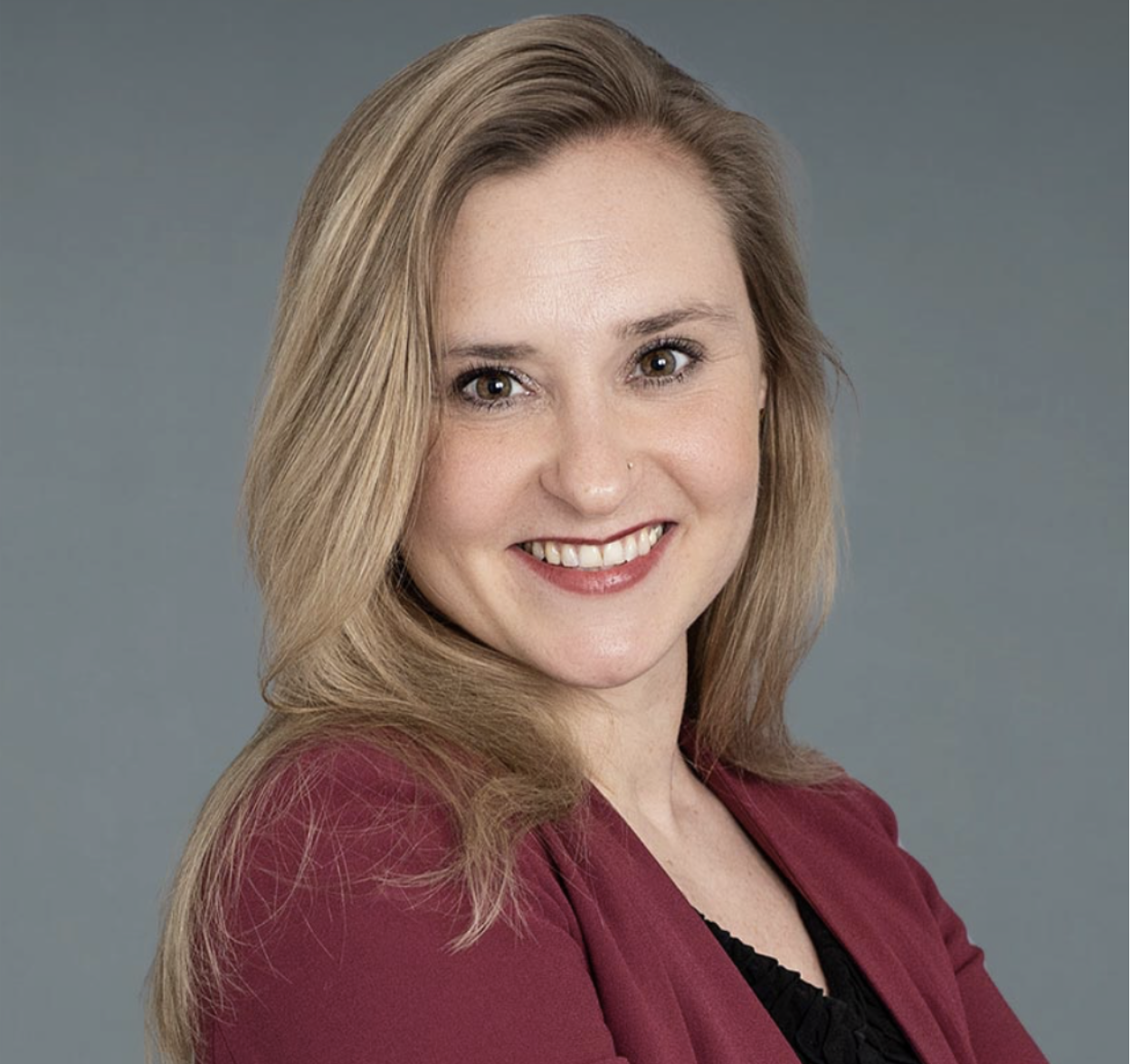
Katharina Schultebraucks, PhD
Co-Director, Computational Psychiatry Program NYU Grossman School of Medicine
Biography
Dr. Katharina Schultebraucks’ research focuses on studying mental disorders from a translational point of view by examining primary behavioral functions and dysfunction of various neuroendocrine, molecular, cellular, and genetic pathways from an integrative, multi-systems point of view. Dr. Schultebraucks completed her PhD in the Department of Psychiatry and Psychotherapy at the Charité – Universitätsmedizin Berlin in Germany and the Department of Psychology at the Free University, Berlin (degree: summa cum laude – graduate with honors). She did her postdoctoral fellowship in the Department of Psychiatry at NYU Grossman School of Medicine and was the Florence Irving Assistant Professor and Director of Computational Medicine and Artificial Intelligence in the Department of Emergency Medicine and Psychiatry at Columbia University before joining NYU in January 2023. She is currently Co-Director of the Computational Psychiatry Program and Associate Professor in the Department of Psychiatry and in the Division of Healthcare Delivery Science, Department of Population Health at NYU Grossman School of Medicine. Furthermore, she is an Associate Professor in Biomedical Engineering at NYU Tandon School of Engineering. Moreover, she is an Investigator in the Neuroscience Institute at NYU Grossman School of Medicine as well as a Center Affiliated Investigator at the Constance and Martin Silver Center on Data Science and Social Equity at NYU Silver School of Social Work. Dr. Schultebraucks investigates longitudinal and prospective studies to identify complex sets of early predictors. Her primary research focus is centered on precision psychiatry by applying advanced computational methods to improve individualized risk stratification and treatment selection, leading to publications in Nature Medicine, JAMA Psychiatry, and Molecular Psychiatry as the first and corresponding author. Dr. Schultebraucks’ research program focuses on developing real-world, individual-level digital clinical decision support systems. Her overall goal is to create easy-to-deploy digital tools for routine care that clinicians can rapidly integrate into clinical practice. Dr. Schultebraucks has been awarded several awards and national and international grants, e.g., she is currently the PI of two R01s funded by the National Institutes of Health (NIH) and PI of a multicenter grant funded by the Swiss National Science Foundation.

Rachel Yehuda, PhD
Endowed Professor of Psychiatry and Neuroscience of Trauma
Biography
Rachel Yehuda, PhD, is an Endowed Professor of Psychiatry and Neuroscience of Trauma. She founded the Traumatic Stress Studies Division at Mount Sinai in 1991. In 2020, she established and currently directs The Parsons Research Center for Psychedelic Healing at Mount Sinai. At the James J. Peters Veterans Affairs Medical Center in the Bronx, she directs the Center for Psychedelic Therapy and previously served as Director of Mental Health for 15 years.