

Join us for the 43nd Annual Meeting
International Society for Traumatic Stress Studies
Trauma Science in a World of Ongoing Threat
Advancing Theory, Research, and Practice
Washington, D.C.
September 23-26, 2027
2026 Annual Meeting Information
Jump to: Keynote Speaker | Invited Speakers | Proposals | Prospectus | Awards | Hotel Information | Visa Information | Paper in a Day | Annual Meeting Archives | Code of Conduct | Future Meetings
Collaboration on Evidence and Action
The ISTSS Annual Meeting is a global forum for professionals and researchers dedicated to understanding and addressing the impact of trauma. We bring together diverse perspectives to advance scientific knowledge, develop effective treatments, and inform public policy. By bridging the gap between research and practice, we aim to improve the lives of those affected by traumatic stress worldwide.
Keynote Speaker: Mary-Frances O'Connor, PhD
Olympian on how to reach your potential every day
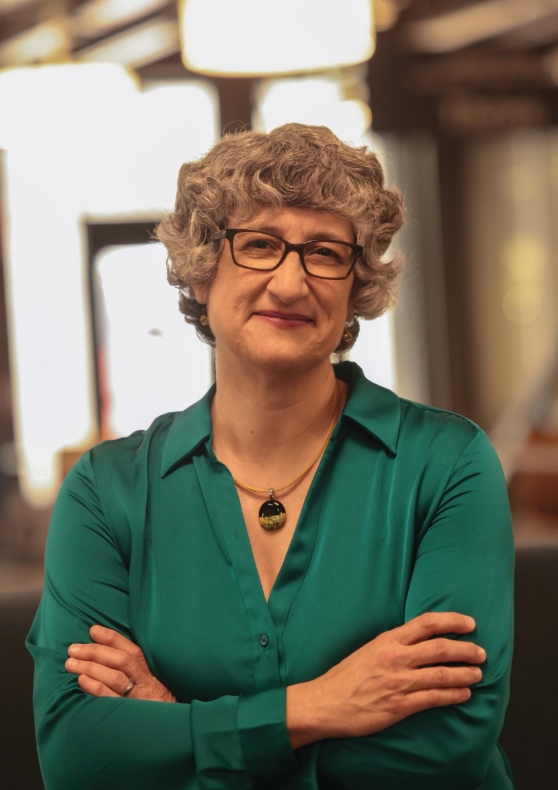
The Neuroscience of Grief: How We Learn From Love and Loss
Using an integrative view of clinical psychology and cognitive neuroscience, Dr. O’Connor explores grieving as a learning process, describing how the brain is critical in understanding that a loved one has died, updating one’s view of the world while carrying the absence of this person. Cognitive neuroscience can help clarify the “why” of grief—why it takes so long, and is so painful. Dr. O’Connor explains that older stage models of grief are no longer used and offers a new paradigm for understanding love, loss, and learning. In addition, she recounts how empirical research has helped to define prolonged grief disorder (previously called complicated grief) and how targeted psychotherapy is an effective treatment for this disabling condition.
Biography
Mary-Frances O’Connor, PhD is an Associate Professor at the University of Arizona Department of Psychology, where she directs the Grief, Loss and Social Stress (GLASS) Lab. She earned a PhD in clinical psychology from the University of Arizona in 2004 and following a faculty appointment at UCLA Cousins Center for Psychoneuroimmunology, she returned to the University of Arizona in 2012. She served for three years as Director of Clinical Training in the Psychology Department. Her research program focuses on the wide-ranging emotional responses to bereavement. In particular, she investigates the neurobiological and psychophysiological aspects that vary between individual grief responses via functional neuroimaging, immune, and endocrine analysis. Exclusively represented by BrightSight Speakers, Dr. O’Connor also researches difficulties adapting following the death of a loved one, termed prolonged grief (newly included in the revised DSM-5). She believes that a clinical science approach toward the experience and physiology of grief can improve psychological treatment. Dr. O’Connor’s book, The Grieving Brain: The Surprising Science of How We Learn from Love and Loss (2022; HarperOne) has garnered praise from peers and literary critics alike and has led to speaking engagements around the world. She wrote a follow-up called The Grieving Body: How the Stress of Loss Can Be an Opportunity for Healing (2025).
In addition to her outstanding record of scholarship, Dr. O’Connor is a highly proficient and beloved teacher and mentor, honored with the Undergraduate Biology Research Program (UBRP) “Outstanding Mentor Award” in 2014. In 2020, she organized an international multidisciplinary research group called the Neurobiology of Grief International Network (NOGIN). Under her leadership, the group has held three international conferences supported by the National Institute on Aging. Dr. O’Connor is a highly sought-after speaker, giving numerous talks and workshops to community organizations around the world, including in-service trainings to healthcare professionals and volunteers at hospices. She has authored research papers published in a wide range of peer-reviewed journals, from American Journal of Psychiatry to NeuroImage to Journal of Consulting and Clinical Psychology. Dr. O’Connor’s work has been discussed in the New York Times, The Guardian, Washington Post, and Scientific American.
Mary-Frances is represented exclusively by the BrightSight Group
Invited Speakers
Advancements in the Treatment of PTSD by the Strong Star Consortium: Two Decades of Progress
Over the past 2 decades the South Texas Research Organizational Network Guiding Studies on Trauma and Resilience (STRONG STAR Consortium) has supported over 30 clinical trials to develop and evaluate the efficacy of trauma-focused cognitive behavioral therapies for combat-related PTSD in military personnel. These clinical trials have evaluated Cognitive Behavioral Conjoint Therapy, Written Exposure Therapy, Cognitive Processing Therapy, and Prolonged Exposure Therapy. The results of the initial clinical trials demonstrated these treatments were efficacious for the treatment of combat-related PTSD, but the outcomes were not as good as previous studies with civilians. Subsequent clinical trials evaluated ways to modify the standard treatment protocols to enhance outcomes. One example is the use of compressed or massed treatment protocols where treatment sessions are completed on a daily basis. The results of these studies found even greater reductions in PTSD symptoms. Ongoing clinical trials are evaluating how these treatments can be further improved by combining them with medications or medical devices. This symposium will review the results of clinical trials for combat-related PTSD supported by the STRONG STAR Consortium over the past 2 decades and provide an update on ongoing clinical trials.

Steffany Fredman, PhD
Dr. Steffany Fredman is an Associate Professor of Human Development and Family Studies and Psychology at The Pennsylvania State University and a licensed clinical psychologist. Dr. Fredman conducts research on posttraumatic stress disorder (PTSD) and related conditions within a couple/family context, including ways that partner involvement in treatment optimizes outcomes for individuals with PTSD and their loved ones. Her work has been funded by the National Institutes of Health… read more

Terence Keane, PhD
Terence M. Keane, Ph.D. is Professor of Psychiatry (Clinical Psychology) and Assistant Dean for VA Research at Boston University; for the past twenty-five years Keane has served as the Associate Chief of Staff for Research & Development at VA Boston Healthcare System, the largest research program in all of VA. Since 1989, he’s directed the National Center for Posttraumatic Stress Disorder (PTSD)-Behavioral Science Division a program with a strong focus on assessment… read more

Brian Marx, PhD
Dr. Marx is the Deputy Director of and Senior Psychologist Clinician Investigator in the Behavioral Science Division of the National Center for PTSD and corresponding PI for the VA CSRD side of the Suicide Prevention Research Impact Network (SPRINT). He is also a Professor in the Department of Psychiatry at Boston University Chobanian and Avedisian School of Medicine. He is currently the PI/Co-PI/Site PI of three federally funded studies focused on testing the efficacy of treatments for PTSD… read more

Alan Peterson, PhD
Alan L. Peterson, PhD, ABPP, is a Professor and the Chief of the Division of Behavioral Medicine in the Department of Psychiatry and Behavioral Sciences at the University of Texas at San Antonio Long School of Medicine. He is also the Director of the South Texas Research Organizational Network Guiding Studies on Trauma and Resilience (STRONG STAR Consortium) and a Professor in the Department of Psychology at the University of Texas at San Antonio… read more

Patricia Resick, PhD
Patricia A. Resick, Ph.D., ABPP is Professor Emeritus of Psychiatry and Behavioral Sciences at Duke University Medical Center and Adjunct Professor, Medical University of South Carolina. Dr. Resick’s specialty is in understanding and treating the effects of traumatic events, particularly posttraumatic stress disorder (PTSD). In 1988, she developed Cognitive Processing Therapy (CPT) for PTSD, a short evidence-based treatment and has overseen multiple clinical trials… read more
Steffany Fredman, PhD
Biography
Dr. Steffany Fredman is an Associate Professor of Human Development and Family Studies and Psychology at The Pennsylvania State University and a licensed clinical psychologist. Dr. Fredman conducts research on posttraumatic stress disorder (PTSD) and related conditions within a couple/family context, including ways that partner involvement in treatment optimizes outcomes for individuals with PTSD and their loved ones. Her work has been funded by the National Institutes of Health, Department of Defense, and Department of Veterans Affairs. Dr. Fredman is the co-developer of cognitive-behavioral conjoint therapy for PTSD (CBCT for PTSD; Monson & Fredman, 2012), a couple-based treatment for PTSD that has been tested in community, veteran, and active duty military populations. Dr. Fredman is also the lead developer of the Significant Others’ Responses to Trauma Scale (SORTS), a widely used measure of partner accommodation of patient PTSD symptoms.
Terence Keane, PhD
Biography
Terence M. Keane, Ph.D. is Professor of Psychiatry (Clinical Psychology) and Assistant Dean for VA Research at Boston University; for the past twenty-five years Keane has served as the Associate Chief of Staff for Research & Development at VA Boston Healthcare System, the largest research program in all of VA. Since 1989, he’s directed the National Center for Posttraumatic Stress Disorder (PTSD)-Behavioral Science Division a program with a strong focus on assessment, psychological treatment development, and the genetic underpinnings of this condition. With many colleagues and trainees, Dr. Keane has published some 450 articles, books, and chapters on the assessment and treatment of PTSD. For the past 46 consecutive years his program of trauma research has been supported by federal funding agencies, such as VA, NIH, DoD, and SAMHSA. In 2013, Keane was named the Co-Principal Investigator of the Consortium to Alleviate PTSD, an initiative supported by the Department of Veterans Affairs and the Department of Defense to improve the care of both active-duty military and combat veterans with PTSD through the conduct of multi-site clinical trials of psychotherapy and medications in these populations. Over the years, his contributions to the field have been recognized by many national and international honors including the 2013 Distinguished Research Contributions to Clinical Psychology Award from APA’s Society of Clinical Psychology and a similar award from the Canadian Psychological Association in 2015. In 2011, Dr. Keane received two honorary doctorates for “his major role in opening the field of psychological trauma to scientific inquiry”. In 2015 he was named the recipient of the John Blair Barnwell Award from the Department of Veterans Affairs, the highest national award for those engaged in Clinical Research. In terms of national and international leadership, Keane has served as President of multiple professional societies over the course of his career. His commitment to education and training future generations of investigators is exemplified in his role as Program Director for a NIMH funded T-32 training program for thirty years.
Brian Marx, PhD
Biography
Dr. Marx is the Deputy Director of and Senior Psychologist Clinician Investigator in the Behavioral Science Division of the National Center for PTSD and corresponding PI for the VA CSRD side of the Suicide Prevention Research Impact Network (SPRINT). He is also a Professor in the Department of Psychiatry at Boston University Chobanian and Avedisian School of Medicine. He is currently the PI/Co-PI/Site PI of three federally funded studies focused on testing the efficacy of treatments for PTSD, PTSD and comorbid suicidal thoughts and behaviors, or examining the course of PTSD, suicidal thoughts and behaviors, and other comorbid conditions within the context of a simulated clinical trial. Other ongoing research continues to use data collected other studies previously funded by VA and DoD to examine risk factors for suicidality, development and testing of new measures of psychopathology and functioning, neurocognitive correlates and predictors of PTSD and suicidality, and understanding moderators and predictors of treatment outcomes among Veterans and Service Members. He is the lead author on the Inventory of Psychosocial Functioning and co-author of all the most commonly used measures of PTSD diagnostic status and symptom severity and regularly conduct research on the best methods to assess PTSD and symptom change. Dr. Marx’s research program has translated NCPTSD and VA’s national research goals and priorities into specific scientific project activities of significant complexity and sufficient sustainability.
Alan Peterson, PhD
Biography
Alan L. Peterson, PhD, ABPP, is a Professor and the Chief of the Division of Behavioral Medicine in the Department of Psychiatry and Behavioral Sciences at the University of Texas at San Antonio Long School of Medicine. He is also the Director of the South Texas Research Organizational Network Guiding Studies on Trauma and Resilience (STRONG STAR Consortium) and a Professor in the Department of Psychology at the University of Texas at San Antonio. STRONG STAR includes over 150 research collaborators and 50 institutions worldwide. Over the past 18 years, STRONG STAR investigators have collectively secured more than $250 million in research funding to support over 120 projects. Dr. Peterson retired from the U.S. Air Force in 2005 after 21 years of active duty service including deployments in support of Operations Noble Eagle, Enduring Freedom, and Iraqi Freedom. He has clinical and research expertise in the areas of behavioral medicine, psychological trauma, and resiliency. He has published 9 books, more than 425 scientific manuscripts, and given over 700 presentations and invited addresses at national and international meetings.
Patricia Resick, PhD
Biography
Patricia A. Resick, Ph.D., ABPP is Professor Emeritus of Psychiatry and Behavioral Sciences at Duke University Medical Center and Adjunct Professor, Medical University of South Carolina. Dr. Resick’s specialty is in understanding and treating the effects of traumatic events, particularly posttraumatic stress disorder (PTSD). In 1988, she developed Cognitive Processing Therapy (CPT) for PTSD, a short evidence-based treatment and has overseen multiple clinical trials. The treatment manual for CPT has been translated into 12 languages and has been formally disseminated throughout the VA in the US, Canada and Australia, and now the Democratic Republic of Congo. CPT is considered a first line therapy for PTSD. Dr. Resick’s research was continuously funded for 40 years; she has published almost 400 articles and chapters and 12 books on PTSD including the self-help book “Getting Unstuck from PTSD: Using Cognitive Processing Therapy to Guide Your Recovery” and a second edition of the best-selling treatment manual “Cognitive Processing Therapy for PTSD: A Comprehensive Therapist Manual”. She served as the President of both the International Society for Traumatic Stress Studies and the Association for Cognitive and Behavioral Therapies. She has won research and mentoring awards as well as Lifetime Achievement Awards from the Trauma Division (56) of the American Psychological Association, the International Society for Traumatic Stress Studies and the Association for Behavioral and Cognitive Therapies.
Get Involved
Call for Proposals
The International Society for Traumatic Stress Studies (ISTSS) is calling for multidisciplinary submissions for its 2026 Annual Meeting, focusing on the theme of “Traumatic Stress in a Troubled World – Collaboration on Evidence and Action” to advance global research and clinical strategies for trauma recovery.
Call for Proposals Language Variations: Brazilian Portuguese, Cantonese, Japanese
Download Our 2026 Prospectus
Supporting ISTSS provides a unique opportunity to partner with the premier global authority in traumatic stress, offering high-visibility access to a diverse multidisciplinary network of leading professionals dedicated to groundbreaking research, clinical innovation, and the advancement of a trauma-informed world.
Awards
ISTSS accepts nominations for a range of awards for Professionals, as well as Student and Mentors.
Planning & Travel
Hotel Information

Reserve Your Place at ISTSS 2026
San Antonio Marriott Rivercenter
San Antonio, Texas, USA
September 23-26, 2026
Getting a U.S. Visa
Visa requirements vary based on national origin, current residence, previous travel and passport eligibility. It is your responsibility to secure any required visas, and travel documents.
- The U.S. Department of State is the most trusted source for up-to-date information on visa questions.
- The Visa Waiver Program (VWP) enables most citizens or nationals of participating countries to travel to the United States for tourism or business for stays of 90 days or less without first obtaining a visa, when they meet certain requirements.
- The Visa Wizard is a tool to help travelers understand what type of visa they may need.
When should I apply?
We recommend that you complete your application for a visa as soon as possible. The approval process can take several weeks and may require an interview. Contact the U.S. Embassy or consulate in your country for specific application procedures and estimated wait times for interview appointments.
Can ISTSS issue a letter of invitation for my VISA application?
Yes—ISTSS Annual Meeting attendees traveling from outside of the United States can request that the ISTSS Executive Office issue a letter of invitation for VISA applications or other travel regulations if necessary.
You must send your request with your legal name, affiliation, and mailing address to ISTSS Executive Office at info@istss.org. This information will be placed into your letter of invitation as a formal request to invite you as an attendee to the annual meeting.
Paper in a Day

Paper in a Day (PIAD) grew out of a desire to foster collaborations between early career researchers from around the world. Many of these researchers will be future leaders in the domain of posttraumatic mental health and the field will benefit from their partnerships and teamwork. PIAD was developed to stimulate international connections and the exchange of ideas by working on a tangible outcome: A paper, short communication, or commentary for submission to a peer-reviewed journal. This will be an intensive, productive, and enjoyable day. The aim of the exercise, firstly, is to stimulate international collaboration and exchange among early career researchers, and, secondly, to develop a paper that will be submitted for publication. Previous workshops have led to journal articles, conference contributions, and lasting collaborations. Because PIAD activities will begin prior to the ISTSS annual meeting, participants will have the opportunity to continue developing relationships and id
Additional Information
Annual Meeting Archives
The ISTSS Annual Meeting is a unique opportunity to learn the latest in traumatic stress research, hear about clinical insights and innovations, earn continuing education credits, and network with colleagues.
The program information for the Annual Meetings since 2019, including abstracts, is available using the links below:
ISTSS Code of Conduct
This document outlines ISTSS’s expectations for attendees and presenters at all ISTSS events. This guidance is central to ensuring ISTSS events are a safe, open, and inclusive space, which is mindful of the diverse range of experiences of participants. As a professional organisation, we also recognise the vital importance of being able to critique and debate, but highlight the importance of doing this in a manner that is open and respectful. This document also complements our Anti-Harassment Policy and our Best Practice Parameters.
Guidance for All Attendees:
- Harassment, intimidation, and discrimination of any form will not be tolerated, as outlined in our Anti-Harassment Policy.
- All attendees are expected to be mindful and respectful of the diverse range of participants at ISTSS events.
- Disruptions of presentations will not be tolerated. Participants must comply with the instructions of the moderators and any ISTSS event staff.
- Participants should not copy or take screen-shots of any private chat room or messaging activity that takes place on the convention app or
similar. - Professionals are expected to adhere to the standards and guidelines of their professions, including their professional codes of ethics and conduct.
Guidance for Speakers and Moderators:
- Always conduct yourself in a manner that promotes an open and safe environment for all participants, regardless of background. Expect that all events, and thus all audiences, will include people with a diverse range of professional and personal experiences.
- Moderators hold particular responsibility for ensuring the symposium or event is conducted in a manner that upholds respectful and open dialogue and debate, including during any Q&A.
- Presentations, postings, and messages should not contain promotional materials or product announcements, or solicitation for services, without prior approval from ISTSS Executive Committee.
- Presentations must correspond with the submitted and approved content (e.g., your submitted conference or workshop abstract; the focus of the webinar).
- Certain stakeholders benefit from continuing education credits or other accreditation opportunities provided at ISTSS events. Changing content without permission of organizers can jeopardize continuing education opportunities for members and the Society standing with relevant agencies.
- Plagiarism is strictly prohibited and any use of AI tools should be properly acknowledged.
ISTSS reserves the right to take any action deemed necessary and appropriate, including immediate removal from the Annual Meeting, in response to any incident of unacceptable behaviour. In these cases, registration fees will not be refunded. In extreme cases, ISTSS reserves the right to prohibit attendance at future ISTSS offerings, virtually or in-person.
If you witness or experience behaviour which you consider against our code of conduct, please report this to the ISTSS Executive Director at info@istss.org.
Future Meetings

2027
Washington, DC

2028
Chicago, IL

2029
Boston, MA