
2026-2027 Executive Committee
The Executive Committee consists of: President, Vice President, President-Elect, Secretary, Treasurer and Immediate Past President. Executive Committee members also serve as members of the Board of Directors.

President
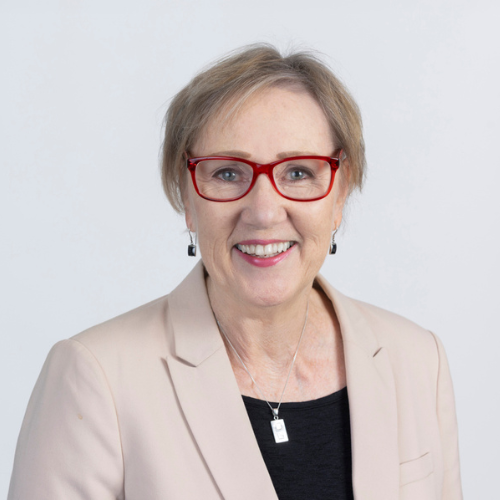
Synne Øien Stensland, MD, PhD
Board Term: 2025-2028
Read Bio
For more than 15 years, ISTSS has been my professional home. It is where I have found knowledge, friendship, and inspiration. I have served on the Board of Directors (2018–2024), as Treasurer on the Executive Committee (2020–2021), contributed to the Meetings of the Future Task Force, and currently serve on the Finance Committee. I had the privilege of chairing the Organizing Committee for the 2019 ISTSS Annual Meeting in Boston, where we launched new initiatives for global dissemination — Global Ambassadors and Young ISTSS Correspondents — aimed at amplifying diverse voices and extending the reach of the meeting beyond the conference room.
As Research Professor and Research Director for Trauma, Disaster, and Forced Migration – Children and Adolescents, I bring extensive leadership experience and a strong commitment to advancing trauma research, practice, and systems-level change across sectors. My work focuses on the long-term health consequences of childhood trauma, survivor recovery after terrorism and violence, and strengthening frontline systems and workforce resilience in crisis settings. I have led and collaborated on large-scale, multidisciplinary projects across national and international contexts, with particular attention to equity, service access, and the implementation of evidence-based care.
In this work, I have had the privilege of partnering with researchers, practitioners, and user groups — often in an advisory capacity to government institutions in health, justice, and education — to translate evidence into policy and practice. Together, we have worked to improve services across sectors, with a particular focus on those most in need, including trauma-exposed children, LGBTQ+ individuals, refugees, survivors of sexual assault, and other marginalized groups — while also supporting the needs and resilience of our frontline workers.
I bring extensive experience supervising PhD candidates, mentoring early-career researchers, and building capacity among students, clinicians, and service leaders. From hands-on work in community practice, pediatric, and emergency wards in Norway to senior advisory roles in post-crisis settings in New Zealand, Canada, Serbia, and the Czech Republic, I have consistently championed evidence-based, trauma-informed care. These experiences have deepened my understanding of how trauma affects individuals, families, and communities — and how systems can be structured to respond effectively.
Immediate Past President
Andrea J. Phelps, PhD
Board Term: 2024-2027
Read Bio
Andrea J. Phelps is the Deputy Director of Phoenix Australia, Australia’s national centre of excellence in posttraumatic mental health based at the University of Melbourne. There they combine clinical work, supervision and training with innovative research and consultation to government and industry on trauma related policy and strategy. As the Deputy Director her responsibilities include strategic oversight of the Centre’s activities across research, service development and training; strategic planning and setting future directions; and leadership of flagship projects such as the NHMRC approved Australian Guidelines for the Treatment of PTSD which helped shape the process for the ISTSS PTSD Guidelines. She began her career as a clinician, holding senior clinical leadership positions in general mental health and specialised trauma treatment services. This background has shaped her approach to research and consultancy, ensuring that research is clinically relevant and consultancy advice is situated within an understanding of clinical complexity.

Vice President
Rachel Hiller, PhD
Board Term 2024-2027
Read Bio
Dr. Rachel Hiller is an Associate Professor in Child Mental Health at University College London (UCL) and the Anna Freud National Centre for Children and Families, in the United Kingdom. Her research is in the field of complex child trauma, with a particular focus on children with experience of out-of-home care (e.g., foster care, residential group care). Her work here spans research into social and cognitive mechanisms driving mental health and wellbeing, through to the testing of scalable mental health interventions delivered in child welfare and mental health settings, and the implementation of current best-evidenced practice. Her work includes a transdiagnostic focus, as well as a more specific focus on PTSD and complex PTSD.

President-Elect
Brian N. Smith, PhD
Board Term: 2023-2029
Read Bio
Dr. Smith is a Research Health Scientist in the National Center for PTSD Women’s Health Sciences Division at VA Boston Healthcare System and Associate Professor of Psychiatry at Boston University Chobanian & Avedisian School of Medicine. His federally funded research program is focused on the effects of traumatic stress and mental health sequelae—PTSD, depression, and salient comorbidities—on outcomes related to physical health, functioning, and quality of life. He examines these outcomes and associated risk and resilience factors in populations at heightened risk for trauma exposure, especially military veterans, and often examines psychosocial risk models in the context of gender differences as well as aging.
Treasurer
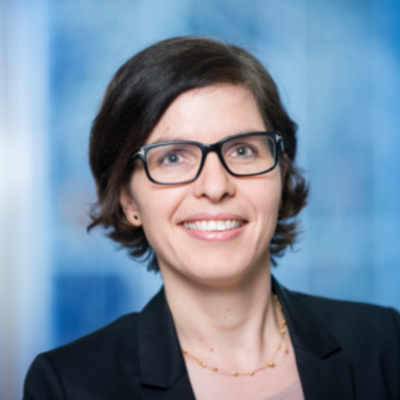
Birgit Kleim, PhD
Board Term: 2025-2028
Read Bio
I completed a Master’s in Clinical Psychology at the University of Freiburg, Germany, and earned my PhD at King’s College London, where my research focused on identifying who is most at risk of developing serious psychological difficulties after trauma and, crucially, predicting this at a very early stage to enable timely, personalized interventions. I am a trained
and board-certified CBT therapist, with additional training in Cognitive Therapy for PTSD and Narrative Exposure Therapy. Beyond my research and clinical practice, I direct a certified Diploma of Advanced Studies (DAS) program in evidence-based trauma treatment, equipping mental health professionals with the latest skills in trauma-focused interventions. Additionally, I head the Medical Faculty’s ethics committee at my university. Currently, I serve as Full Professor and Chair of Experimental Psychopathology and Psychotherapy at the University of Zurich, Switzerland.
Secretary
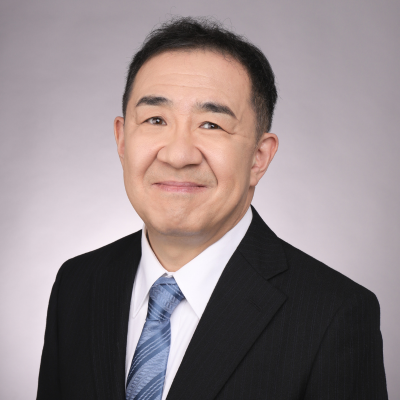
Jun Shigemura, MD, PhD
Board Term: 2025-2028
Read Bio
I currently work as a psychiatrist and Professor within the Faculty of Health Sciences at Mejiro University in Saitama, Japan. I also hold an Adjunct Professorship in the Department of Psychiatry at the Uniformed Services University in Bethesda, Maryland, USA.
In 1994, I earned my M.D. degree from Keio University in Tokyo, Japan. From 1999 to 2020, I served at the National Defense Medical College, a medical school affiliated with Japan's Ministry of Defense. Between 2003 and 2005, I was a visiting researcher at the Center for the Study of Traumatic Stress at Uniformed Services University, where I had the privilege of being mentored by Professor Robert Ursano.
My specialization is disaster psychiatry, focusing on the psychosocial consequences of chemical, biological, radiological, and nuclear (CBRN) disasters. The Japanese people were deeply impacted by the 2011 Great East Japan Earthquake (GEJE)—a combination of earthquake, tsunami, and the Fukushima nuclear power plant disaster—which tragically claimed over 18,000 lives. I led a team of mental healthcare professionals, providing crucial treatment and organizational support to first responders in Fukushima nuclear plant workers and the military. We published our series of studies on nuclear power plant workers in high-impact medical journals (e.g., Shigemura et al., JAMA, 2012; Hasegawa et al., Lancet, 2015) and our longitudinal studies of military disaster workers in JAMA Network Open (Nagamine et al., 2020) and British Journal of Psychiatry (Saito et al., 2022).
I have been deeply involved with the Japanese Society for Traumatic Stress Studies (JSTSS), an ISTSS affiliate in Japan, and currently serve as the President (2023–present). Before this role, I was the International Relations Committee Chair (2008–2022) and Editor-in-Chief of the JSTSS Journal, the Japanese Journal of Traumatic Stress (2022–2024). In recent years, I have participated in disseminating educational materials for professionals and the public following the GEJE, the COVID-19 pandemic, the war in Ukraine, and the 2024 Noto Peninsula Earthquake.
Within ISTSS, I have been continuously involved in various activities for over a decade, including serving as an Annual Meeting Program Reviewer and Nominations Committee member. Furthermore, I have participated in various ISTSS international program initiatives, such as the 2015 ISTSS Mid-Year Meeting in Kyoto, Japan. Recently, at the 2024 ISTSS Boston Conference, I took part in organizing a panel discussion that included representatives from various ISTSS affiliate societies around the globe.
2026-2027 Board of Directors
Michele Bedard-Gilligan, PhD
Board Term 2024-2027
Read Bio
Dr. Bedard-Gilligan is an Associate Professor in the Department of Psychiatry and Behavioral Sciences at the University of Washington (UW) and a licensed clinical psychologist in the state of Washington (WA). She is co-director of the Trauma Recovery and Resilience Innovations (TRI) program and is associate director of the UW Center for Anxiety and Traumatic Stress (UWCATS). Dr. Bedard-Gilligan’s research predominantly focuses on recovery process following trauma exposure, with specific emphases on the co-occurrence of posttraumatic stress disorder (PTSD) and substance use. She is currently a lead investigator on several clinical trials developing and testing brief interventions to promote trauma recovery and is involved in ongoing projects designed to train providers in trauma-focused behavioral treatment approaches. She also maintains an active clinical practice.

Judy Bass, PhD, MPH
Board Term: 2026-2029
Read Bio
Judy Bass, PhD MPH, is a Professor in the Department of Mental Health and Deputy Director of the Center for Global Mental Health at the Johns Hopkins Bloomberg School of Public Health. Her areas of expertise include designing and evaluating methods for assessing mental health across cultures and contexts and investigating the effectiveness and implementation of innovative prevention and intervention strategies. Dr. Bass has been involved in trials of task-sharing mental health interventions since 2001, leading trials with trauma-affected populations in Indonesia, the Democratic Republic of Congo, and Uganda and collaborating on trials in Uganda, South Africa, Zambia, Iraq, Myanmar, and Colombia and Ukraine. Current research includes evaluation of integrated mental health programs, development and rigorous evaluation of measures for assessing program implementation, as well as bringing programmatic learnings from international settings to Baltimore. Dr. Bass is involved in training and capacity building of global mental health researchers through ongoing field-based research projects and as director of a NIMH T32 program for doctoral and post-doctoral fellows in global mental health.

JohnBosco Chukwuorji, PhD
Board Term: 2026-2029
Read Bio
JohnBosco Chika Chukwuorji, PhD, an alumnus of the prestigious U.S. Fulbright Program, is a Nigerian clinician and scholar affiliated with the Department of Psychology at the University of Nigeria, Nsukka. In 2023, he joined Michigan State University as part of the NIH-funded National Center for Health and Justice Integration for Suicide Prevention (NCHATS), where he leads the oversight of core implementation science measures and advances the application of implementation science in complex, real-world settings.
Dr. JohnBosco brings over a decade of leadership in research on traumatic stress, suicide prevention, and psychosocial wellbeing, with a strong focus on vulnerable populations. His work, informed in part by the historical experiences of the Igbo people during the Nigerian Civil War (1967 and 1970), has advanced understanding of the interplay between trauma, personality, and mental health outcomes. He has played a central role in generating evidence that informs culturally responsive and scalable interventions across diverse contexts, including Nigerian healthcare systems and U.S. correctional facilities.
As a committed leader in global mental health, Dr. JohnBosco has advanced interdisciplinary collaborations between psychology and public health, with over 130 peer-reviewed publications. He is a strong advocate for amplifying underrepresented voices in trauma research and promoting equitable access to evidence-based care. Guided by his approach of asking how research findings will solve real world problems, he co-established the Nigeria Implementation Science Alliance Model Innovation and Research Centers (NISA-MIRCs) to strengthen research infrastructure and mental health systems. He also led the establishment of the first university-based telemental health service in Nigeria at the Psychological Services Center, University of Nigeria, Nsukka.
In addition to his research leadership, Dr JohnBosco is deeply committed to mentorship and scholarly service. He holds editorial roles in 12 international journals and has completed over 310 peer reviews across 61 journals. His contributions have been recognized by Clarivate Analytics (Global Peer Reviewer Award, top 1% in Psychiatry and Psychology) and the ISTSS (2025 Underrepresented Scholars Membership Award). He has also served as Senior Co-Chair of the Michigan State University Postdoctoral Association and actively engages in community service. Through his scholarship, leadership, and service, Dr. JohnBosco continues to shape the global agenda on trauma and mental health particularly in under-resourced settings.

Iryna Frankova, PhD
Board Term 2026-2029
Read Bio
Dr. Iryna Frankova is a senior researcher and psychologist at the Child and Family Outpatient Unit at Centrum’45, ARQ National Psychotrauma Centre in the Netherlands. She also serves as co-chair of the Traumatic Stress Global Networking Communities within the International College of Neuropsychopharmacology (CINP).
Previously, Dr. Frankova held the position of assistant professor at the Department of Clinical, Neuro-, and Developmental Psychology at the WHO Collaborating Center for the Research and Dissemination of Psychological Interventions, located within the Amsterdam Public Health Institute at Vrije Universiteit Amsterdam. She also served as an assistant professor in the Department of Medical Psychology, Psychosomatic Medicine, and Psychotherapy at Bogomolets National Medical University in Ukraine. Additionally, Dr. Frankova held the position of Chair of the European College of Neuropsychopharmacology (ECNP) Traumatic Stress Network from 2021 to 2024.
With over 15 years of clinical and research experience in clinical and medical psychology, Dr. Frankova specializes in stress-related disorders and the prevention of PTSD. She co-leads ongoing projects in global mental health, traumatic grief (including confirmed, ambiguous, and perinatal grief), and digital mental health. She co-developed and launched a psychological first aid chatbot, ‘Friend,’ in the immediate aftermath of the full-scale invasion of Ukraine, which has been activated by 150,000 users so far. Dr. Frankova has actively participated in various training, capacity-building, and awareness-raising initiatives in Ukraine, Eastern Europe, and internationally. Furthermore, she collaborates with a range of NGOs and clinical services to support the mental health of forcibly displaced populations in the Netherlands, Europe, and population affected by continuous traumatic stress in Ukraine. She has published over 100 peer-reviewed journal articles.
Dr. Frankova earned her medical degree from Bogomolets National Medical University in Kyiv, Ukraine, and her doctoral degree in medical psychology from Kharkiv Medical Academy of Postgraduate Education. Her postdoctoral fellowship focused on the implementation of evidence-based low-intensity psychosocial interventions for vulnerable groups of adolescents and forcibly displaced Ukrainians, supported by EU4H grants.
Within the International Society for Traumatic Stress Studies, Dr. Frankova has been involved in various activities for over past four years, including serving as Chair of the Paper in a Day Workshop in 2025 with specific goal is to promote international connections, exchange, and collaboration among early-career researchers in the field of posttraumatic mental health.

Masaya Ito, PhD
Board Term 2024-2027
Read Bio
Dr. Masaya Ito is the Director of the Department of Research and Development at the National Center for Cognitive-Behavior Therapy and Research, Japan, and a Professor at the University of Tsukuba. He earned his Ph.D. from the University of Tsukuba in 2007, specializing in clinical psychological research. Dr. Ito has led groundbreaking randomized controlled trials on emotional disorders and PTSD treatments in Japan and promotes evidence-based psychotherapy using advanced technologies.
A member of ISTSS since 2005, he has presented at conferences and aims to strengthen ties between ISTSS and the Japanese Society for Traumatic Stress Studies (JSTSS), where he serves as a board member. His goal is to promote trauma research and public awareness in Japan by fostering global collaboration.

Denise Hien, PhD
Board Term 2025-2028
Read Bio
Denise Hien, PhD, ABPP, is Senior Vice Provost of Research, Distinguished Professor and Helen E. Chaney Endowed Chair in Alcohol Studies of the Center of Alcohol & Substance Use Studies, Graduate School of Applied and Professional Psychology at Rutgers University-New Brunswick in New Jersey. Considered a leader in the field, with continuous funding from NIH (NIAAA, NIDA, NIMH) for over 30 years, her body of work has contributed to the evidence base on the treatment of individuals with trauma-related psychiatric disorders and their comorbidity with addictions, through conducting single- and multi-site clinical trials across the United States in community-based substance abuse treatment settings. Most of her NIH-funded research has focused on understanding and treating traumatic stress and PTSD among women and underrepresented minoritized populations (primarily Black/African American and Latinx women in Harlem, NY) with key goals of addressing health inequalities and understanding the ways in which race/ethnicity, culture, gender, and other aspects of social identities influence the treatment utilization and outcomes.
In order to advance the field of PTSD and SUD treatment, more recently she has been involved in numerous data sharing and big data collaborations including 1) the Global Collaboration on Traumatic Stress (https://www.global-psychotrauma.net/) creating scientific data stewardship on international trauma studies using an open science framework (OSF), 2) an OSF collaboration with Caltech and five other universities on a longitudinal social neuroscience study of Covid19 and its impacts, the COVID Dynamic Study (https://coviddynamic.caltech.edu/), and 3) Project Harmony (http://www.projectharmonyvct.com/) the largest data science project in the field, envisioned and led by Dr. Hien with an executive team of national and international leaders. Under her leadership she created an international consortium of 35 investigative teams of trauma and addiction researchers and a data repository with 42 individual patient data clinical trials (4500+ participants) which will provide a platform to enable new machine learning and AI discoveries to advance the next generations of research in this area.
She is board-certified in clinical psychology and serves on numerous national boards and scientific advisory groups, particularly those supporting data science repositories (National PTSD Repository, and the Veterans/Suicide Repository) and diversity training and mentoring for underrepresented groups in the sciences. Among many honors for her scholarship and mentoring, in 2023 she was given the Inaugural Mary Jean Kreek Award for Underserved Populations from the College of Problems of Drug Dependence and the Award for Excellence in Trauma Services for the Underserved: Policy, Advocacy from the International Society for Traumatic Stress Studies.

Jana D. Javakhishvili, PhD
Board Term 2025-2028
Read Bio
Dr. Jana D. Javakhishvili is a Professor of Psychology and Director of the Institute of Addiction Studies at Ilia State University, Tbilisi, Georgia. Her research interests focus on exploring mental health problems of war- and political oppression-affected populations. She is heavily engaged in the projects of the Federation Global Initiative on Psychiatry focused at improving human rights-based mental health care in Georgia, Kyrgyzstan, Sri Lanka, Ukraine and other war-affected countries. She is a Past President of ESTSS. Currently, she is on the editorial board of the European Journal of Psychotraumatology and a Trustee of the Dart Center for Journalism and Trauma Europe.
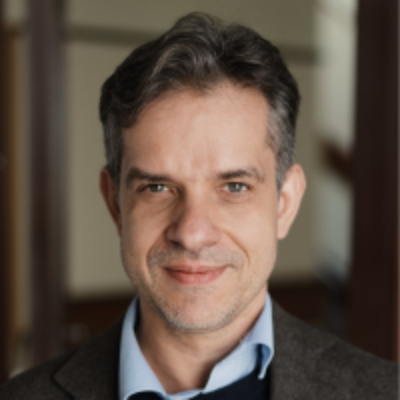
Evaldas Kazlauskas, PhD
Board Term: 2024-2027
Read Bio

Rachel Liebman, PhD, CPsych
Board Term: 2025-2028
Read Bio
Dr. Rachel Liebman a clinical psychologist at Toronto General Hospital and Assistant Professor at the University of Toronto. Dr. Liebman specializes in the treatment of co-occurring trauma-related disorders and high-risk problem behaviours such as eating disorders, self-harm, and suicide. Her research on development and adaptation of treatments for high-risk trauma-related conditions has been awarded multiple federal and institutional grants and she has published widely on mechanisms and processes associated with these conditions. She served on the Task Force for the Ontario Structured Psychotherapy Program for Gender Based Violence and she provides workshops, trainings and consultation on the assessment and treatment of trauma-related conditions internationally.
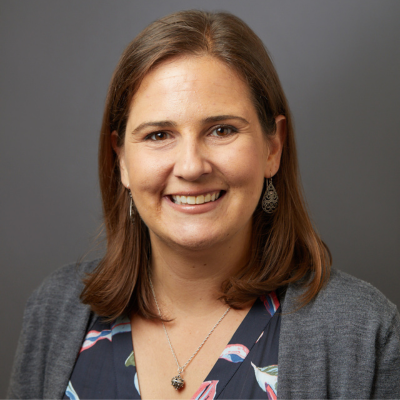
Sarah Lowe, PhD
Board Term: 2025-2028
Read Bio
Dr. Sarah Lowe is an Associate Professor of Social and Behavioral Sciences at Yale School of Public Health (YSPH), with secondary appointments in the Department of Psychiatry at Yale School of Medicine and Yale School of Nursing.
A clinical psychologist and psychiatric epidemiologist, Dr. Lowe previously held positions as an Associate Research Scientist of Epidemiology at Columbia Mailman School of Public Health, and an Assistant Professor of Psychology at Montclair State University. In the latter, she played a key role in developing the department’s first doctoral program.
Dr. Lowe’s scholarship focuses on the long-term mental health consequences of a range of potentially traumatic events, the mechanisms leading from exposures to mental health symptoms, and factors at multiple socio-ecological levels that shape post-trauma well-being. Dr. Lowe’s early work focused primarily on the impact of disasters on vulnerable populations, including low-income mothers after Hurricane Katrina, survivors from low-resource communities after Hurricane Sandy, cleanup workers after the Deepwater Horizon oil spill, and Puerto Rican adults with chronic health conditions after Hurricanes Maria and Irma.
In recent years, Dr. Lowe’s work has expanded to include psychological impacts of climate change beyond disasters, the intergenerational transmission of trauma-related conditions, and interventions to address the adverse impacts of trauma in global settings. Examples of her ongoing projects include: a community-based study to identify pathways from parents’ genocide-related and other lifetime trauma exposure to children’s psychosocial well-being in Rwanda; a mixed method study of displacement-related trauma, mental health, and sexual risk behaviors among internally displaced youth in Mozambique; an adaptation of a family-based intervention to address the adolescent mental health crisis in American Samoa; and an evaluation of a social media campaign and community program to prevent youth firearm violence in Hartford, CT.
Dr. Lowe’s work has been funded by the National Institutes of Health, National Academy of Sciences, and the Assistant Secretary for Preparedness and Response, among others. She has received several awards, including the Robins/Guze Early Career Award from the American Psychopathological Association, the Award for Outstanding Contribution to Trauma Psychology by an Early Career Psychologist from American Psychological Association Division 56, and the YSPH Mentor of the Year Award.
Dr. Lowe earned her doctoral degree from the University of Massachusetts Boston, and completed a predoctoral internship at New York Presbyterian Hospital/Weill Cornell Medical College and a postdoctoral fellowship at Columbia University Mailman School of Public Health. She currently resides in Connecticut with her husband, son, and two cats.

Sonya Norman, PhD
Board Term: 2024-2027
Read Bio
Dr. Sonya Norman earned her B.A. in Cultural Anthropology from Vassar College and her PhD in Counseling Psychology from Stanford University. She completed her pre-doctoral internship and postdoctoral fellowship at the University of California San Diego and VA San Diego. The focus of her fellowship was on the neurobiology of trauma among female survivors of intimate partner violence. In the course of doing assessments with our study participants and learning from them about their lives, she realized her passion was to study treatments to help people recover from the detrimental effects of trauma. She joined the faculty of the UCSD Department of Psychiatry shortly after. Studying treatment has been her research focus since then. In addition, early her career, she served as a VA psychologist, PTSD clinical team leader, and training director for a postdoctoral fellowship focused on evidence-based treatments at the San Diego VA. In 2012, while continuing her faculty appointment at UCSD, she transitioned from her VA roles to her position as the PTSD Consultation Program Director for the National Center for PTSD, where she lead a team of expert PTSD clinicians, administrators and researchers. In this capacity, she oversee over 2000 consultations per year related to treating veterans with PTSD and lead educational efforts on PTSD assessment and treatment for VA and community providers.

Jennifer Sumner, PhD
Board Term 2023-2029
Read Bio
Jennifer Sumner is an Associate Professor of Psychology at the University of California, Los Angeles (UCLA). As a clinical psychologist with specialization in traumatic stress, her work focuses on the links between mental and physical health after trauma. She is a co-founder of the Physical Health working group of the Psychiatric Genomics Consortium-PTSD group, and a member of the European Journal of Psychotraumatology Editorial Board.

Briana Woods-Jaeger, PhD
Board Term 2024-2027
Read Bio
Dr. Woods-Jaeger earned her bachelor’s degree in psychology from Duke University and her doctorate degree in child clinical psychology from the University of Washington. Prior to her current position at Emory University, she was an Assistant Professor of Pediatrics and Director of Psychological Services and Research for the Children’s Mercy Hospital and Operation Breakthrough Partnership. In this role she spearheaded the development and implementation of a unique clinical care and research program that integrates primary care pediatrics, behavioral health, social services, and early education to address trauma and stress-related health disparities. She is currently a Principal Investigator on research projects supported by the National Institutes of Health and Centers for Disease Control and Prevention focused on primary and secondary violence prevention and promoting resilience after experiencing trauma and adversity.
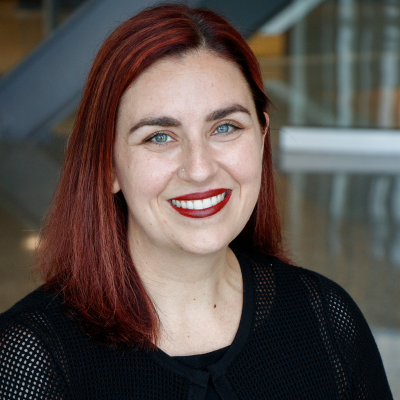
Melissa Zielinski, PhD
Board Term 2025-2028
Read Bio
I am an associate professor and clinical psychologist at the University of Arkansas for Medical Sciences (UAMS) in Little Rock, Arkansas, USA. In my role at UAMS, I direct a large extramurally-funded research laboratory, co-direct our addiction research training program, and serve as associate director of our community engagement core. I feel fortunate to have been an ISTSS member for nearly 10 years and to have served in ISTSS leadership as chair of education production for nearly 5 years. In the latter role (described more thoroughly below), I have worked with ISTSS members of all career stages to make evidence-based information about traumatic stress, its consequences, and effective interventions accessible to the public and to provide clinically-relevant resources to our members.
Academically, my research, clinical practice, and training efforts largely focus on implementing and testing interventions to reduce the burden of traumatic stress exposure and sequelae on individuals and communities—particularly people who use drugs, have PTSD, and are currently or previously incarcerated. I have worked extensively within legal settings such as prisons, drug treatment courts, jails, and reentry centers with the goal of promoting adoption of evidence-based therapies for trauma and PTSD as a path to promote addiction recovery. A subset of my work has focused on justice-involved women, many of whom are survivors of sexual and domestic violence. The quality and impact of this work has been repeatedly validated by the research community; I have authored nearly 70 peer-reviewed publications and been PI or Co-I of 16 grants totaling over $40M in funding (nearly $10M as PI). Notably, my passion for mentoring is interspersed in my work and has also been recognized. In 2022, I was the inaugural recipient of UAMS’ Women Faculty Mentoring Excellence Award. In 2020, I was a UAMS Phenomenal Women award nominee based on a mentee’s letter of recommendation. If selected for a position on ISTSS’ Board of Directors, I will bring my passion for impactful science, effective clinical practice, and fostering the development of the next generation of practitioners and scholars to promote the organization’s mission.
Dr. Woods-Jaeger earned her bachelor’s degree in psychology from Duke University and her doctorate degree in child clinical psychology from the University of Washington. Prior to her current position at Emory University, she was an Assistant Professor of Pediatrics and Director of Psychological Services and Research for the Children’s Mercy Hospital and Operation Breakthrough Partnership. In this role she spearheaded the development and implementation of a unique clinical care and research program that integrates primary care pediatrics, behavioral health, social services, and early education to address trauma and stress-related health disparities. She is currently a Principal Investigator on research projects supported by the National Institutes of Health and Centers for Disease Control and Prevention focused on primary and secondary violence prevention and promoting resilience after experiencing trauma and adversity.
 President
Andrea J. Phelps, PhD
Board Term: 2023-2027
Andrea J. Phelps is the Deputy Director of Phoenix Australia, Australia’s national centre of excellence in posttraumatic mental health based at the University of Melbourne. There they combine clinical work, supervision and training with innovative research and consultation to government and industry on trauma related policy and strategy. As the Deputy Director her responsibilities include strategic oversight of the Centre’s activities across research, service development and training; strategic planning and setting future directions; and leadership of flagship projects such as the NHMRC approved Australian Guidelines for the Treatment of PTSD which helped shape the process for the ISTSS PTSD Guidelines. She began her career as a clinician, holding senior clinical leadership positions in general mental health and specialised trauma treatment services. This background has shaped her approach to research and consultancy, ensuring that research is clinically relevant and consultancy advice is situated within an understanding of clinical complexity.
Editors
Journal of Traumatic Stress (JTS)
Denise M. Sloan, PhD (2022-2026)
StressPoints
Anka Vujanovic, Ph.D. (Editor; 2023-2026)
Kelsey Serier, Ph.D. (Associate Editor; 2024-2026)
New in Peer Review
Lana Ruvolo Grasser, Ph.D. (2024-2026)
Website
TBD
Assistant Website Editors
TBD
Social Media
TBD
Assistant Social Media Editors
TBD