
Member Spotlight
Highlighting Excellence in the Field of Traumatic Stress Studies
Get to Know...
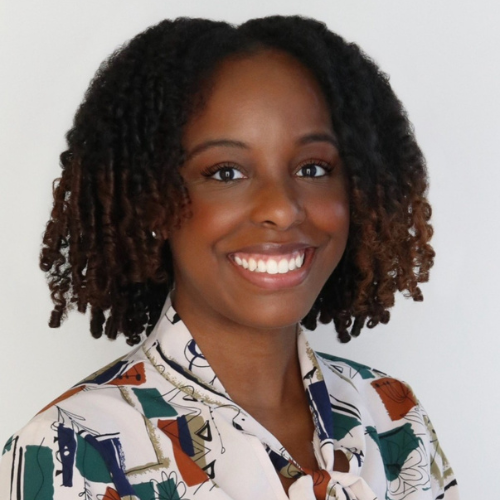
Dyamon Brown, MA
Get to Know...
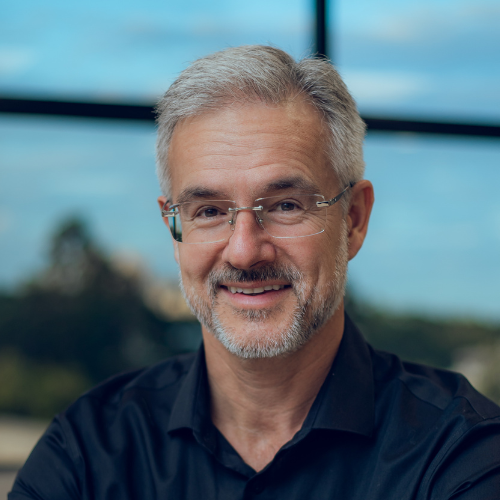
Christian Kristensen, PhD
Get to Know...
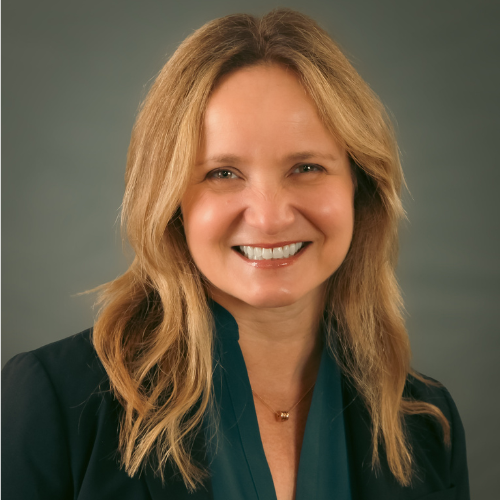
Sonya Norman, PhD
Get to Know...
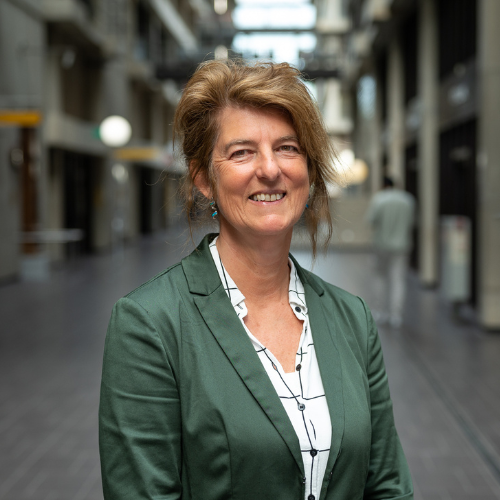
Miranda Olff, PhD
Get to Know...

Misari Oe, MD, PhD
Get to Know...

Renée El-Gabalawy, PhD
Get to Know...

ISTSS Membership Committee
Member Spotlight: Dyamon Brown, MA
Question: For how long have you been a member of ISTSS?
Dyamon Brown, MA: "I have been a member of ISTSS for 4 years."
Question: In what ways has ISTSS membership supported your career growth and development?
Dyamon Brown, MA: "Attending the Annual Meetings regularly has allowed me to stay current with advances in traumatic stress science and, on many occasions, has helped me redirect or refine ongoing research projects. It has also created valuable opportunities to connect in person with colleagues and to build international networks for collaborative research and publications. Finally, and perhaps most importantly, the opportunity to serve in leadership roles within ISTSS has contributed significantly to my professional development."
Question: What motivates you to study traumatic stress?
Dyamon Brown, MA: “I am motivated by my desire to better understand how trauma shapes the lives of young people, particularly Black adolescents and young adults whose experiences are often overlooked or misunderstood. My work has reinforced for me that traumatic stress is shaped by families, communities, systems, and access to resources. I am especially passionate about understanding trauma among youth impacted by the legal system and using research to identify not only factors that contribute to risk, but also the strengths and supports that promote resilience. Ultimately, I hope my work helps bridge research, clinical practice, and systems-level change so that young people affected by trauma receive care that is responsive to both their experiences and their strengths."
Question: What is your current research focus or project?
Dyamon Brown, MA: “My research focuses broadly on traumatic stress, substance use, and mental health among Black adolescents and young adults, with a particular interest in youth impacted by legal systems. My current work examines how experiences of trauma influence substance use and suicide-related behaviors among
youth involved in legal systems. I am also interested in the role of mental health services and other supportive resources in shaping these relationships. In parallel with my research, my clinical work in a specialty mental health court has further shaped my interest in how trauma, mental health, substance use, and access to treatment intersect within legal systems. Across my work, I aim to identify opportunities for earlier, culturally responsive, and trauma-informed intervention and to translate research into practices that better support individuals impacted by legal systems."
Question: In your opinion, what is the biggest challenge facing traumatic stress studies?
Dyamon Brown, MA: “One challenge facing traumatic stress research is ensuring that our knowledge reflects the diversity of people and contexts in which trauma occurs. Experiences of trauma, access to resources, and pathways to recovery can differ considerably across communities, yet some populations and settings remain underrepresented in research. I believe the field must continue expanding whose experiences are represented while also considering the social and systemic contexts that shape traumatic stress. Doing so can help us continue to develop research, assessment, and interventions that are more responsive to the people and communities we hope to serve."
Question: What advice would you give to someone considering joining ISTSS or starting a career in
trauma studies?
Dyamon Brown, MA: I would encourage them to remain curious, seek out mentorship, and build relationships with people whose perspectives challenge and expand their own. Trauma studies is inherently interdisciplinary, and there is so much to learn from researchers, clinicians, community partners, and people with lived experience. I would also encourage students and early-career professionals to get involved in communities like ISTSS and its Special Interest Groups. Finding people who share your interests can provide mentorship, collaboration, and a sense of community as you develop your own place within the field.
Member Spotlight: Christian Kristensen, PhD
Question: For how long have you been a member of ISTSS?
Christian Kristensen, PhD: "I have been a member of ISTSS for 13 years."
Question: In what ways has ISTSS membership supported your career growth and development?
Christian Kristensen, PhD: "Attending the Annual Meetings regularly has allowed me to stay current with advances in traumatic stress science and, on many occasions, has helped me redirect or refine ongoing research projects. It has also created valuable opportunities to connect in person with colleagues and to build international networks for collaborative research and publications. Finally, and perhaps most importantly, the opportunity to serve in leadership roles within ISTSS has contributed significantly to my professional development."
Question: What motivates you to study traumatic stress?
Christian Kristensen, PhD: “In 1993, when I began my master’s thesis, I also became involved in a university outreach program in schools located in underserved areas of a large city in Brazil and in child protection centers. In those contexts, I encountered many cases of childhood maltreatment and witnessed firsthand, very early in my career, the harmful effects of abuse and neglect on children and adolescents. I believe this experience sparked both a desire to understand the psychosocial consequences of trauma exposure and a call to action regarding how psychological treatments for trauma survivors could be improved. That has been the focus of my work ever since."
Question: How do you believe a deeper understanding of trauma can benefit individuals living with trauma disorders?
Christian Kristensen, PhD: “I believe that we now have a reasonably strong understanding of the psychological and biological processes involved in the development of mental health disorders following trauma exposure. We also have sound assessment tools for posttraumatic reactions and psychological treatments that are, in large part, effective. Clearly, there is still much room for progress in prevention, early interventions, and more integrative approaches to trauma care, including areas such as physical exercise and nutrition. At present, however, I believe the greatest challenge is ensuring that the advances we have already achieved in science and clinical practice reach the individuals and communities who need them most, especially in the Global South."
Member Spotlight: Sonya Norman, PhD
Question: For how long have you been a member of ISTSS?
Sonya Norman, PhD: "I have been a member of ISTSS for 15 years."
Question: In what ways has ISTSS membership supported your career growth and development?
Sonya Norman, PhD: "ISTSS has helped me develop a more global perspective and helped me build international collaborations that have been some of the most meaningful of my career."
Question: What is your favorite part of your job?
Sonya Norman, PhD: “Doing work I find meaningful, my wonderful collaborators, mentoring junior colleagues, getting to continue to learn and grow, getting to pursue new ideas."
Question: What is your current research focus or project?
Sonya Norman, PhD: “I'm interested in treatment. I study how to help people with moral injury and trauma related guilt and shame. I also have studies about how to best treat co-occurring PTSD and substance use disorders."
Question: Can you share a memorable experience or achievement during your time as an ISTSS member?
Sonya Norman, PhD: “Supporting colleagues in Ukraine who are working on treating traumatic stress there. Getting to lead trainings on treating moral injury and PTSD in Lviv and Uzhhorod. Connecting with incredible mental health professionals and Veterans there."
Member Spotlight: Miranda Olff, PhD
Question: For how long have you been a member of ISTSS?
Miranda Olff, PhD: "I have been a member of ISTSS for 25 years."
Question: In what ways has ISTSS membership supported your career growth and development?
Miranda Olff, PhD: "It is wonderful to be part of this international community that ISTSS offers! I have learned so much from top researchers connecting at the ISTSS annual meetings, and also about strategic leadership when I was ISTSS president 10 years ago. This has clearly helped my career in the trauma field."
Question: What is your favorite part of your job?
Miranda Olff, PhD: “The favorite part of my job - in addition to working with my wonderful team in Amsterdam - is the work I do for the Global Collaboration on Traumatic Stress (GCTS). It is so rewarding to collaborate with researchers and clinicians from around the world on trauma-related topics of global importance. I have always been interested in the international part of ISTSS. When I was president of ISTSS, my goal was to increase global activities. The GCTS actually started as an ISTSS committee in 2012, which I was chairing at the time. It was part of the bigger global initiative plan (chaired by Ueli Schnyder) and was a vehicle for us to start working together with the other trauma societies around the world, on an equal basis. ISTSS is an important partner in the GCTS, and together with the other partners, we may reach more people around the world, be sensitive to other cultures, and also work with people in non- WEIRD underserved areas, including LMICs, where information on trauma, its consequences, prevention, and treatment is even more needed. Just check it out and feel free to join a collaborative project or start one yourself: https://www.global-psychotrauma.net."
Member Spotlight: Misari Oe, MD, PhD
Question: For how long have you been a member of ISTSS?
Misari Oe, MD, PhD: "I have been a member of ISTSS for 19 years."
Question: In what ways has ISTSS membership supported your career growth and development?
Misari Oe, MD, PhD: "Becoming a member of ISTSS and presenting at international conferences was very important in the early stages of my career. Through connections with mentors at ISTSS, I gradually became involved in international collaborative research. From 2018 to 2024, I served as a board member of ISTSS, primarily working on the creation of a framework for multilingualization and translation. Currently, I am participating in the Global Initiatives Committee while also serving as translation coordinator. As a researcher based in Japan, I believe that it is thanks to ISTSS that I have been able to engage in such international activities."
Question: What motivates you to study traumatic stress?
Misari Oe, MD, PhD: "Supporting patients and residents suffering from traumatic stress at various levels—local versus global, public health versus clinical—will contribute to society."
Member Spotlight: Renée El-Gabalawy, PhD
Question: How did you first get involved with ISTSS, and how are you currently involved?
Renée El-Gabalawy, PhD: "My first ISTSS conference attendance was in 2016, and I have attended almost each year since. I find the conference is greatly beneficial to my clinical work and research, and is always a wonderful reunion with friends and esteemed collaborators. I value my role as an ISTSS member and participate in the Healthcare and Trauma Special Interest Group."
Question: What kinds of research projects are you working on?
Renée El-Gabalawy, PhD: "My research overall focuses on medical trauma / adverse health events and interventions to treat mental health symptoms in the context of these experiences. Currently, one of my areas of focus is perioperative mental health; for example, which individuals might experience trauma symptoms following surgery, and what are risk factors for trauma responses following surgical procedures? I am also examining how we can use virtual reality throughout the perioperative period. For example, for psychological preparation prior to surgery, for distraction and relaxation for awake and painful procedures, and in the context of rehabilitation in the acute post-operative period."
Question: What advice might you give to someone starting out in the field?
Renée El-Gabalawy, PhD: "Do things that you are passionate about despite influences or pushes in other directions. To have sustainability in academia and persistence in your career, you have to love what you’re doing and be passionate about the area. Additionally, I recommend leaning into communities – reaching out to others doing similar work, or multidisciplinary professionals that might inform your work, for collaboration. One of the primary reasons why I have the opportunity for involvement in so many interesting projects is because I have incredible collaborators that I have actively worked to foster strong relationships with."
Question: What are your hopes for the future of the field of traumatic stress?
Renée El-Gabalawy, PhD: “I hope to see better integration of mental health supports within specialty medicine. We are seeing huge growth in this arena, and there is continued room for increasing accessibility to interventions. For example, VR-based interventions can really augment what we are already doing as clinicians. I hope in the future to continue to see seamless integration of these interventions to support large numbers of individuals in medical settings."
ISTSS Membership Committee:
Question: In what ways has ISTSS membership supported your career growth and development?
Sacha McBain, PhD: "ISTSS has been acornerstone of my career growth anddevelopment throughout the years,beginning with my early days as a graduatestudent and continuing through my currentrole as an Associate Professor. It was at ISTSS where I first connected with a mentorwho played a pivotal role in guiding me as I transitioned into my first faculty position anddeveloped psychology services in a surgical service (thanks TdC!)
Being involved in Special Interest Groups, such as the Healthcare and Trauma SIG, hasopened doors to meaningful collaborations, resulting in accepted abstracts andpublications that have significantly advanced my career. Additionally, my participation invarious committees has helped refine my leadership skills, sharpen my strategic thinking,and provided me with the opportunity to achieve impactful goals.
Over the past decade, ISTSS has not only supported my professional growth, but alsoprovided me with a sense of belonging and community. As members often describe,ISTSS has truly been my 'professional home.' In my current role as MembershipCommittee Chair, I’m passionate about continuing to foster that same sense of inclusionand shared purpose for others. Together, we can continue to make a meaningful impact in the field by promoting the health and resilience of individuals and communitiesaffected by trauma."
Sonya Norman, PhD: "ISTSS has given me a broader, more global perspective on theway people are impacted by trauma and traumatic stress. I have a network of U.S. andinternational collaborators thanks to ISTSS."
Lana Grasser, PhD: “Being a part of ISTSS has helped me connect with trailblazers intraumatic stress research, allowing me to develop new skills and collaborate with folksaround the world. My membership has also led to leadership opportunities within theorganization that have helped me grow as both an individual and a professional.”
Anka Vujanovic, PhD: "ISTSS has been my professional home since graduate school.Maintaining my ISTSS membership has allowed me to meet researchers, clinicians, andtrainees who share in the mission to alleviate suffering in the aftermath of trauma. Theconferences and materials provided by ISTSS have elevated my clinical practice andresearch program. I have wholeheartedly enjoyed my service to ISTSS, as it affords methe opportunity to interact with fellow members, to "give back" to the Society that hasgiven me so much through the years, and to help shape future initiatives."