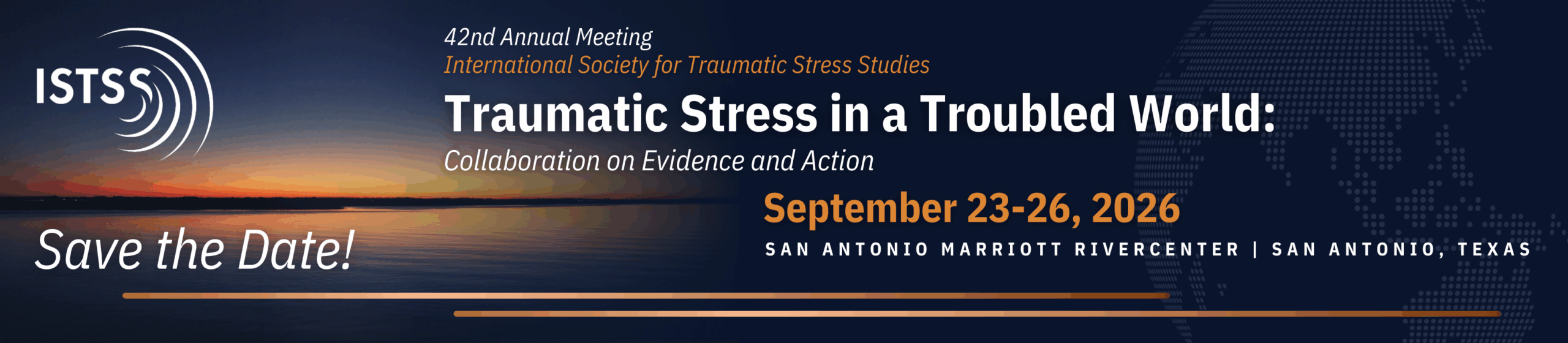
ISTSS 42nd Annual Meeting
The ISTSS Annual Meeting took place September 23-26, 2026, in San Antonio, Texas, USA.
The ISTSS Annual Meeting is a global forum for professionals and researchers dedicated to understanding and addressing the impact of trauma. We bring together diverse perspectives to advance scientific knowledge, develop effective treatments, and inform public policy. By bridging the gap between research and practice, we aim to improve the lives of those affected by traumatic stress worldwide.

Exhibitor & Sponsor Application
Download Our 2026 Prospectus
Call for Proposals Language Variations
2026 Keynote Speakers
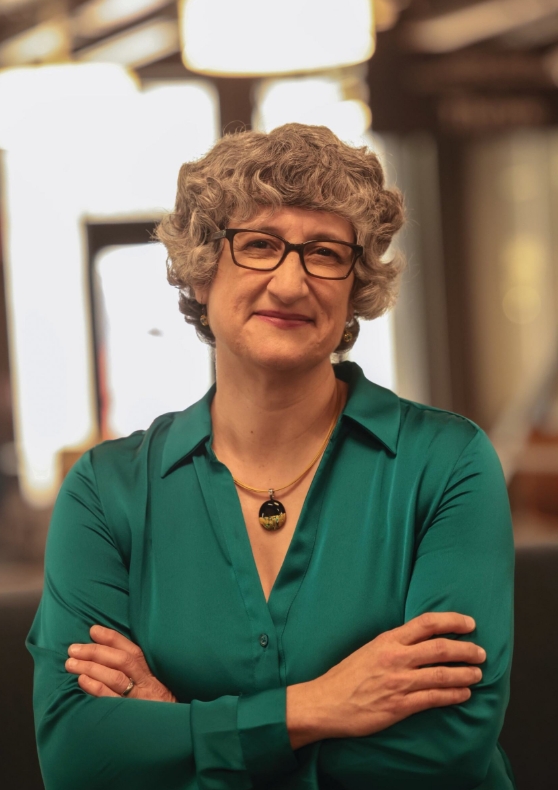
Mary-Frances O'Connor, PhD
The Neuroscience of Grief:
How We Learn From Love and Loss
Thursday, September 24, 2026
9:30 AM - 10:45 AM
Using an integrative view of clinical psychology and cognitive neuroscience, Dr. O’Connor explores grieving as a learning process, describing how the brain is critical in understanding that a loved one has died, updating one’s view of the world while carrying the absence of this person. Cognitive neuroscience can help clarify the “why” of grief—why it takes so long, and is so painful. Dr. O’Connor explains that older stage models of grief are no longer used and offers a new paradigm for understanding love, loss, and learning. In addition, she recounts how empirical research has helped to define prolonged grief disorder (previously called complicated grief) and how targeted psychotherapy is an effective treatment for this disabling condition.
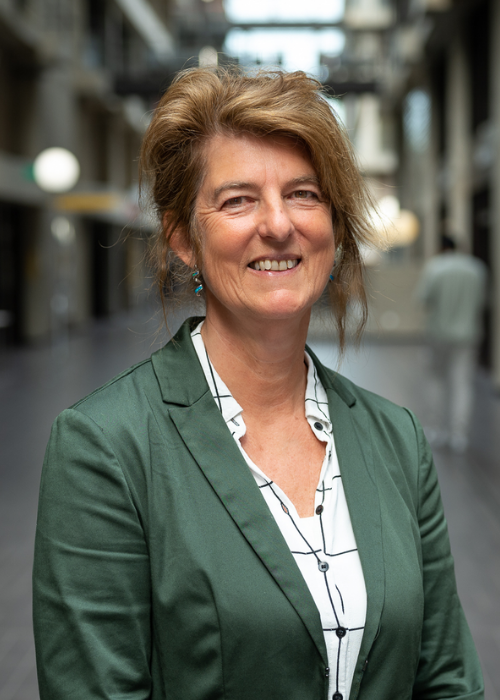
Miranda Olff, PhD
Sex/Gender and Trauma in a Troubled World - A Global Issue?
Saturday, September 26, 2026
9:30 AM - 10:45 AM
Unprecedented numbers of people worldwide are being exposed to armed conflict, forced displacement, climate-related disasters, and interpersonal violence, including gender-based violence. Recent reports of sexual assault of women while asleep or unconscious by intimate partners or other men, as well as conflict-related sexual violence against men and boys, illustrate the diverse forms such violence can take. Sex and gender influence not only trauma exposure but also its sequelae, access to care, and recovery. Their effects, however, are complex, context-dependent, and extend far beyond simple comparisons between women and men. This keynote explores how sex, gender, and their interaction with culture, social norms, and structural inequalities shape trauma exposure and its consequences. Decades of research show that sex and gender influence PTSD risk, symptom trajectories, and a broad range of mental and physical health outcomes through interacting biological, psychological, social, and contextual factors. Despite growing evidence, important challenges remain. Sex and gender are still often used interchangeably, binary classifications overlook diversity, research methods are suboptimal and most evidence still comes from high-income countries. The field must move beyond asking whether sex and gender matter (Olff et al., 2007) to understanding how they shape trauma outcomes across diverse global contexts using more rigorous, intersectional, and sex- and gender-sensitive research. This is essential for equitable prevention, policy, and treatment in an increasingly troubled world.
Presidential Panel
Preparing Communities for Large-Scale, Sustained Conflict: Mental Health, Resilience and System Considerations
Saturday, September 26, 2026
1:45 PM - 3:00 PM
Growing geopolitical tension increases the likelihood that some nations will face large-scale and sustained conflict. Whole-of-society preparedness spans government, intelligence, security, health, mental health and welfare systems and workforces. This includes preparing for a surge in demand for mental health support, triage frameworks, management of displaced people and asylum seekers, community risk reduction, building resilience, and supporting military, veteran and family communities. This panel brings together international experts in military, veteran and disaster mental health to discuss lessons that can be drawn from prior and current conflicts as well as other large-scale hazard events such as disasters, terrorist attacks and pandemics. Guided by research and expert consensus, the panel focuses on actions to support communities, highlighting cross-sector coordination and collaboration, continuity planning, and support for vulnerable groups across the preparedness-response-recovery continuum.
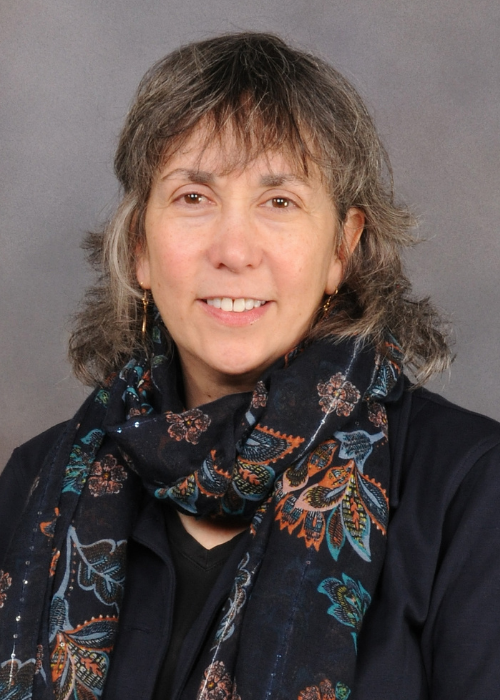
Amy Adler, PhD
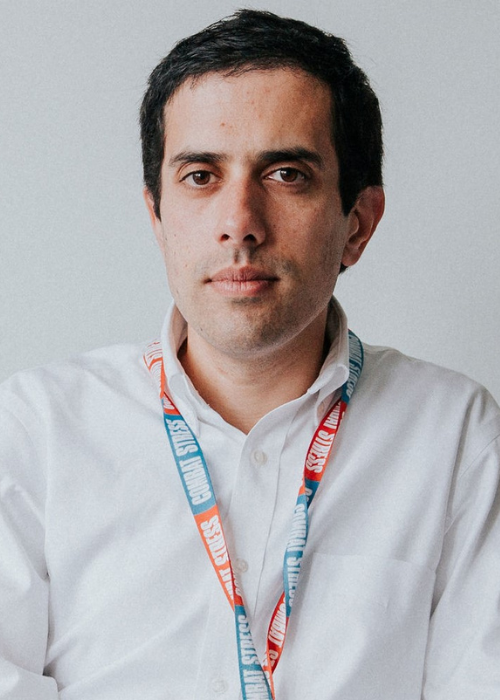
Dominic Murphy, MA, PhD, Prof
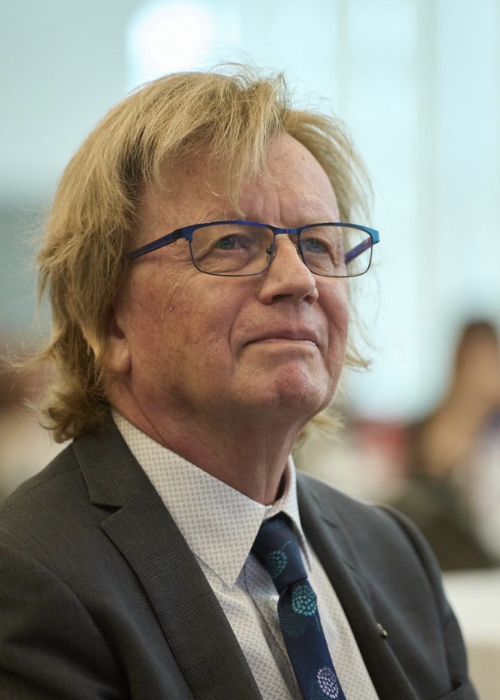
David Pedlar, PhD
Nicole Sadler, PhD
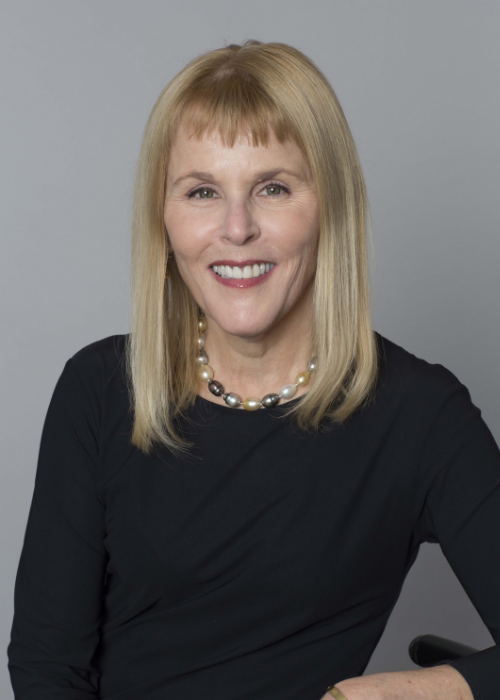
Paula Schnurr, PhD
Keynote Panel
The Ethics of AI: Balancing Benefits and Harms
Friday, September 25, 2026
9:30 AM - 10:45 AM
The use of artificial intelligence (AI) across research, clinical practice and broader psychosocial support is advancing rapidly in the trauma field. AI holds real promise for reducing inequities in access to high-quality assessment and evidence-based treatments. At the same time, it carries risks: unintended harms when ethical issues are overlooked (for example, biased algorithms, problematic attachment to AI systems), and deliberate harms when AI is misused for malicious or unethical purposes. These risks can disproportionately affect children, young people and other vulnerable groups. As trauma professionals working in research, clinical practice or policy, we must stay current with the ethical issues arising from AI and understand how these considerations apply to our work. This invited panel brings together experts in the ethics of AI from theoretical, research and frontline perspectives. Panelists will introduce core ethical principles as they relate to AI in healthcare and research, illustrate key challenges with real‑world examples, and offer practical guidance on navigating benefits and harms — including safeguards for vulnerable clients and strategies for risk mitigation.
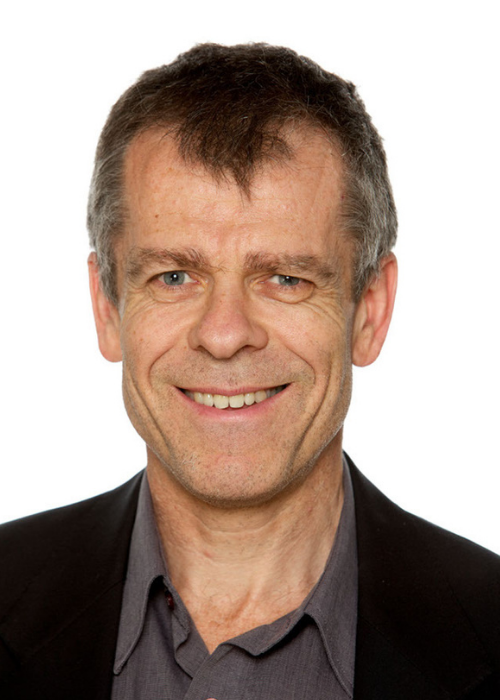
Opening Plenary
Collaboration in Action: Trauma Informed Practice Across San Antonio
Wednesday, September 23, 2026
6:00 AM - 7:30 PM
San Antonio is home to diverse communities affected by trauma, as well as innovative organizations working to address their unique needs. This panel will highlight three San Antonio-area organizations serving distinct populations whose work and collaboration with research and clinical partners showcases our conference theme of collaboration on evidence and action.
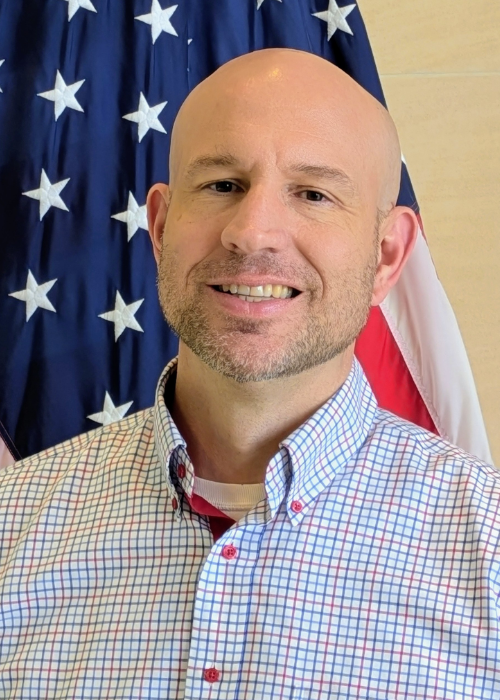
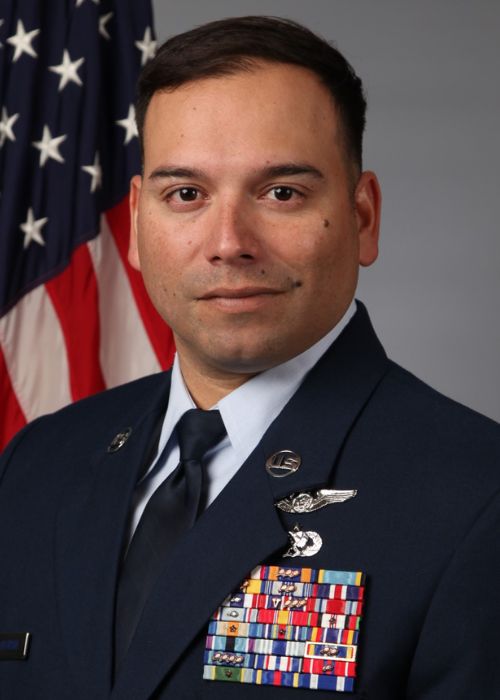
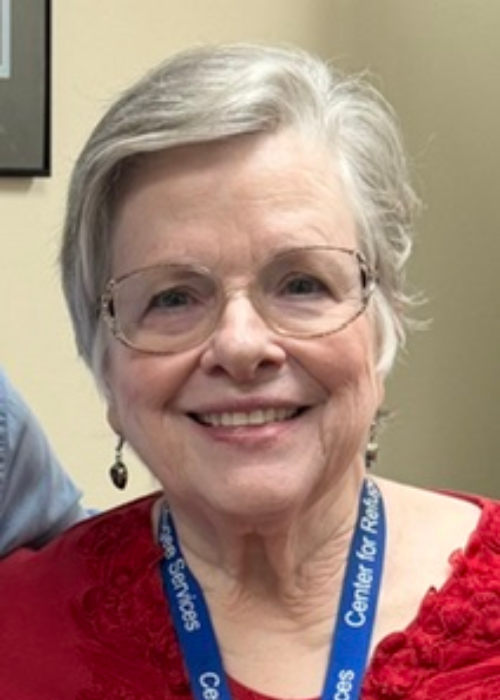
Representatives from the Pride Center San Antonio, the Center for the Intrepid, and the Center for Refugee Services will share perspectives on their work with LGBTQ+ communities, service members and veterans recovering from wounds of war, and refugees navigating resettlement and recovery respectively. Panelists will discuss the distinct challenges facing the populations they serve, the role of research and trauma-informed approaches in their programs and services, and lessons learned from working within the San Antonio community.
Together, these perspectives will illustrate both the diversity of trauma experiences and the shared principles that can strengthen responses across populations and settings. The conversation will also explore opportunities for collaboration among researchers, clinicians, community organizations, and other partners to better support trauma-affected individuals and communities.
By bringing local voices into the ISTSS Annual Meeting, this panel offers attendees an opportunity to learn from the host community, consider how evidence-informed practices are adapted to meet different needs, and reflect on how community-based initiatives can inform broader efforts to advance trauma recovery and resilience.
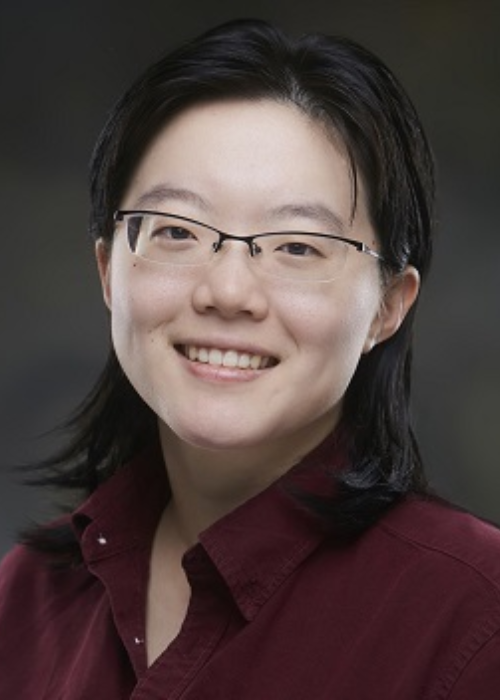
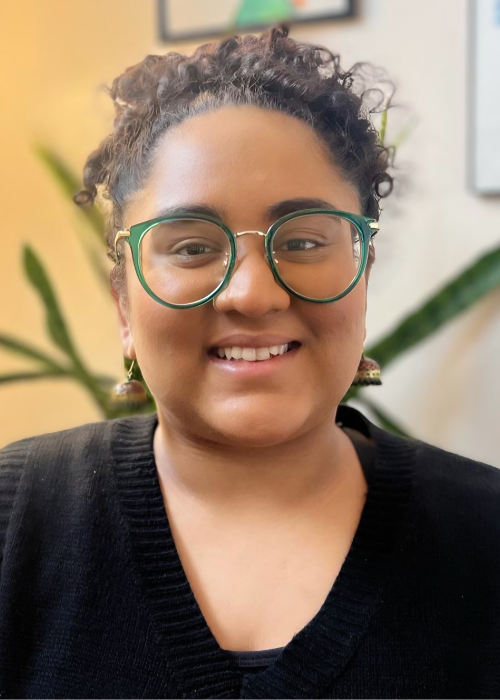
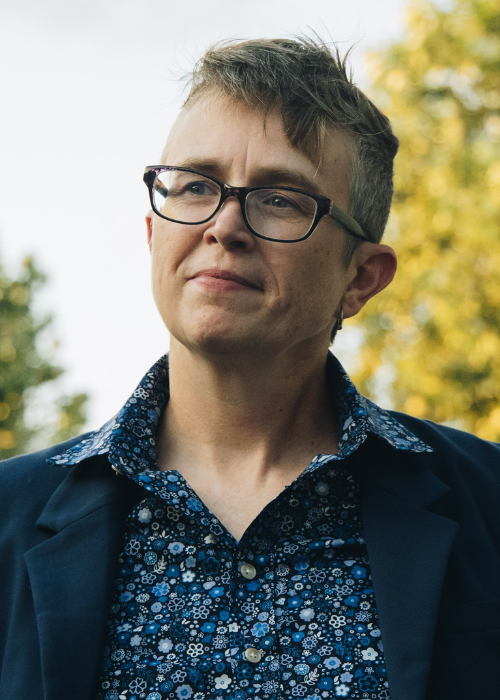
Invited Speakers
Scaling Psychological Interventions for Forcibly Displaced Populations: Evidence, Implementation, and Future Directions
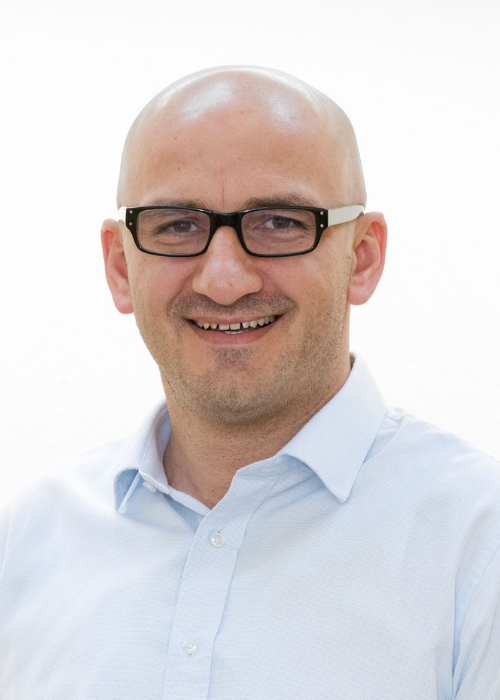
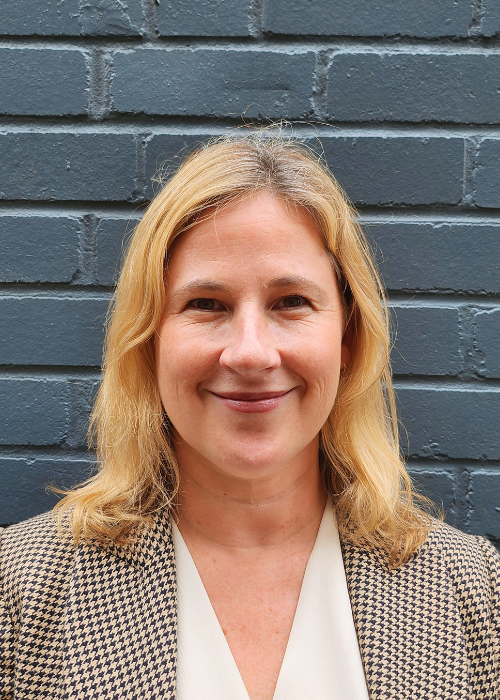
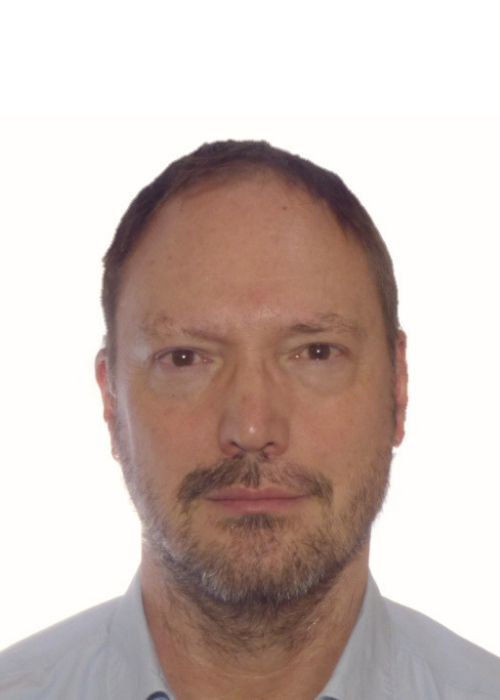
The global displacement crisis has created an urgent need for scalable, evidence-based mental health and psychosocial support (MHPSS) interventions that can be delivered effectively in humanitarian settings. Over the past decade, the World Health Organization (WHO) has developed a suite of interventions that have demonstrated promise across diverse refugee populations. However, translating these interventions from research into sustainable routine practice remains a major challenge, particularly in the context of growing humanitarian need and declining international funding. This panel brings together leaders in global mental health to examine the evidence, implementation, and future of scalable MHPSS for forcibly displaced populations. Angela Nickerson will present findings from a randomized controlled trial of the Doing What Matters in Times of Stress intervention among 303 Afghan refugees living in protracted displacement in Indonesia, examining intervention effectiveness, mechanisms of change, and characteristics associated with treatment response. Iryna Frankova will present outcomes from the U-RISE project, highlighting the implementation of peer-delivered PM+, SH+ and DWM for Ukrainian refugees across Europe and the adaptation of PM+ for refugee youth in the Netherlands. Naser Morina will discuss lessons from implementing PM+ and EASE at scale, focusing on training and supervision systems, quality assurance, stepped-care integration, partnerships, and long-term sustainability. Pieter Ventevogel will conclude by reflecting on the evolution of MHPSS in humanitarian settings over the past 15 years, the challenges posed by the current funding landscape, and opportunities to sustain and expand evidence-based care. Together, the panel will discuss how evidence-based psychological interventions can be effectively scaled and sustained to meet the growing mental health needs of forcibly displaced populations worldwide.
Thursday, September 24, 2026
11:00 AM - 12:15 PM
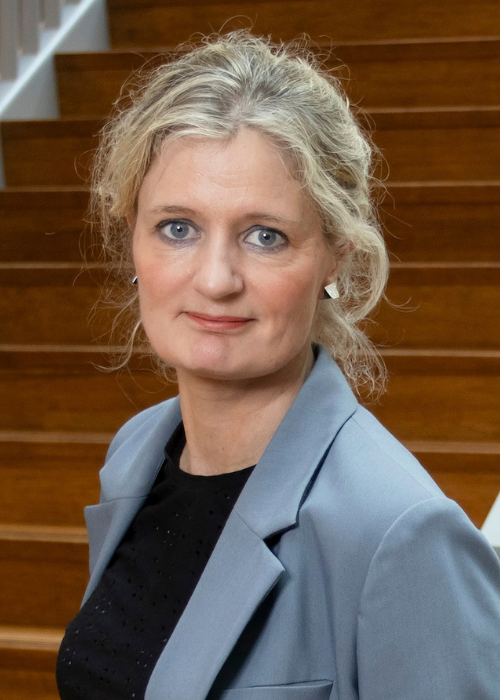
Marit Sijbrandij, PhD
Naser Morina, PhD

Iryna Frankova, PhD
Angela Nickerson, PhD
Peter Ventevogel, MD, PhD
Spotlight on Research From Past Putnam Research Scholars and Bela and Chaim Danieli
Early Career Professional Award Winners
Thursday, September 24, 2026
1:45 PM - 3:00 PM
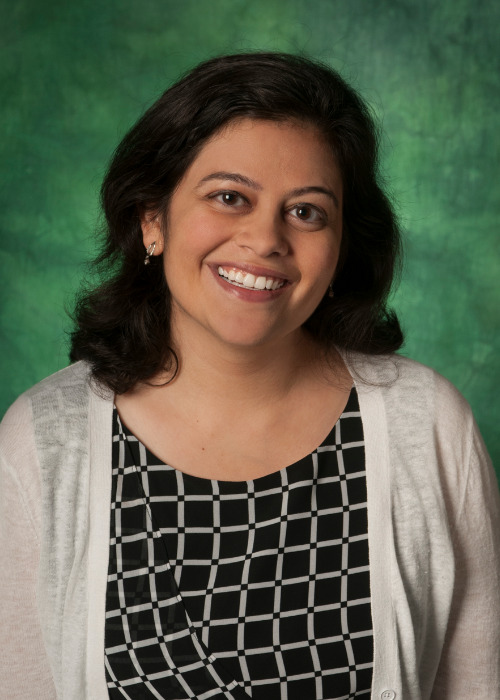
This invited session will feature past recipients of the International Society for Traumatic Stress Studies (ISTSS) Bela and Chaim Danieli Early Career Professional Award and the Frank W. Putnam Trauma Research Scholars Program. The Bela and Chaim Danieli Early Career Professional Award recognizes excellence in the traumatic stress field by an individual who is within eight years of their terminal degree. The Frank W. Putnam Trauma Research Scholars Program supports the research of ISTSS student members. This invited session will feature four past award winners. Dr Ateka Contractor (past Danieli winner) will present on a novel PTSD intervention that targets positive memory processes. Dr. Cameron Pugach (past Putnam winner) will present findings from two studies focused on negative emotion differentiation (NED) as an important factor in the maintenance of PTSD. Mariel Emrich (past Putnam winner) will share findings from an ongoing single-arm pilot study assessing the feasibility and acceptability of an integrated treatment for adults with PTSD and chronic pain. Finally, Dr. Gabrielle Gauthier (past Putnam winner) will examine the impact of contextual and semantic processing in the aftermath of extreme weather trauma exposure on mental health outcomes.
Ateka Contractor, PhD
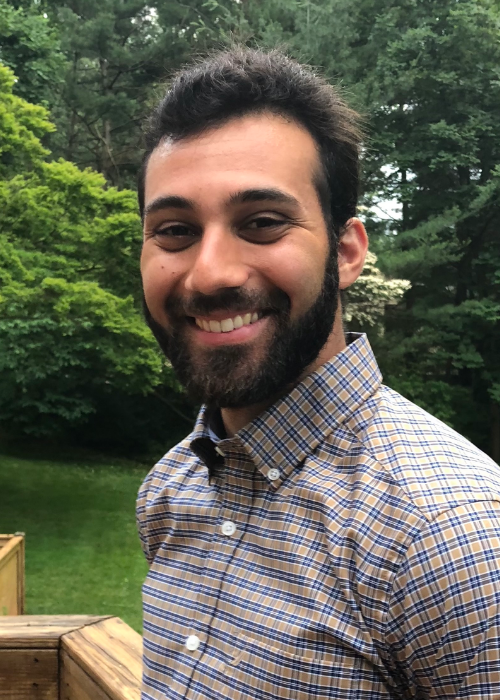
Cameron Pugach, PhD
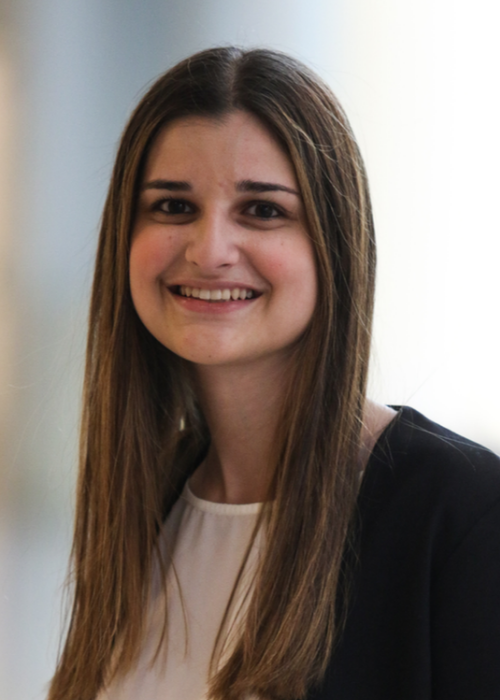
Mariel Emrich, MS
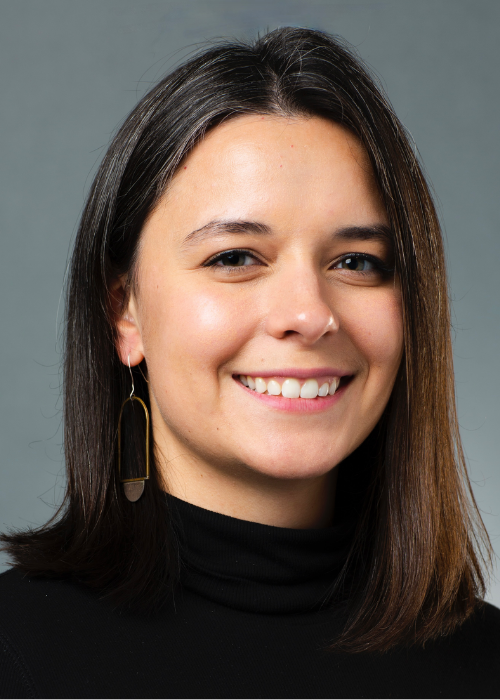
Gabrielle Gauthier, MS
Advancements in the Treatment of PTSD by the Strong Star Consortium:
Two Decades of Progress
Thursday, September 24, 2026
4:45 PM - 6:00 PM
Over the past 2 decades the South Texas Research Organizational Network Guiding Studies on Trauma and Resilience (STRONG STAR Consortium) has supported over 30 clinical trials to develop and evaluate the efficacy of trauma-focused cognitive behavioral therapies for combat-related PTSD in military personnel. These clinical trials have evaluated Cognitive Behavioral Conjoint Therapy, Written Exposure Therapy, Cognitive Processing Therapy, and Prolonged Exposure Therapy. The results of the initial clinical trials demonstrated these treatments were efficacious for the treatment of combat-related PTSD, but the outcomes were not as good as previous studies with civilians. Subsequent clinical trials evaluated ways to modify the standard treatment protocols to enhance outcomes. One example is the use of compressed or massed treatment protocols where treatment sessions are completed on a daily basis. The results of these studies found even greater reductions in PTSD symptoms. Ongoing clinical trials are evaluating how these treatments can be further improved by combining them with medications or medical devices. This symposium will review the results of clinical trials for combat-related PTSD supported by the STRONG STAR Consortium over the past 2 decades and provide an update on ongoing clinical trials.
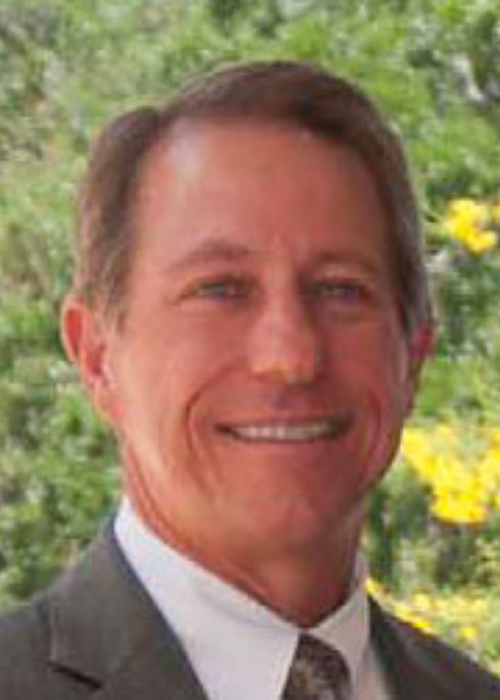
Alan Peterson, PhD
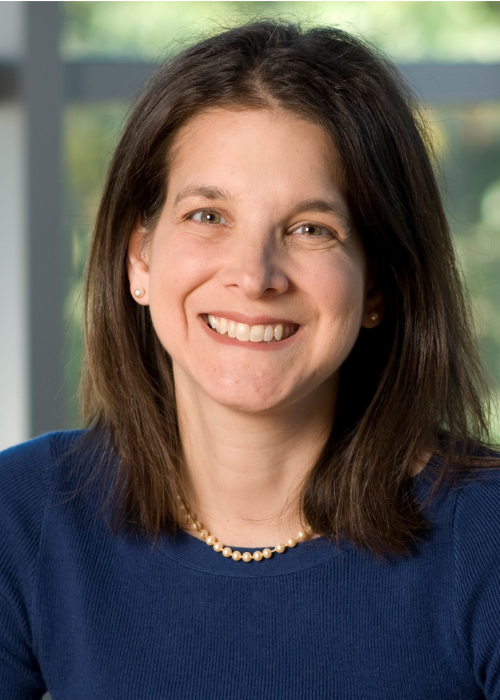
Steffany Fredman, PhD
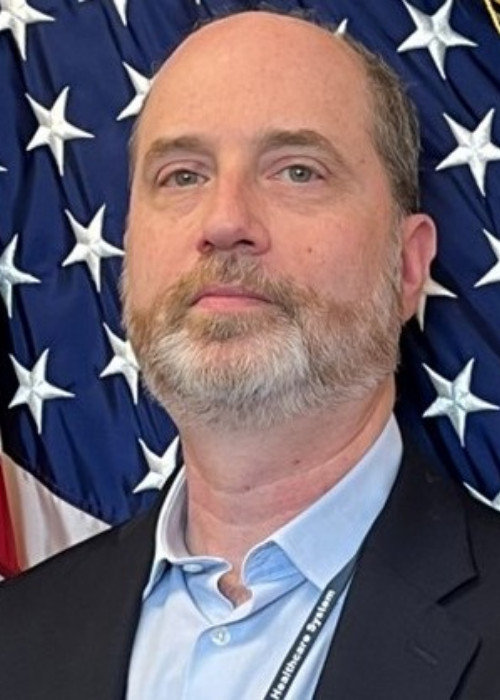
Brian Marx, PhD
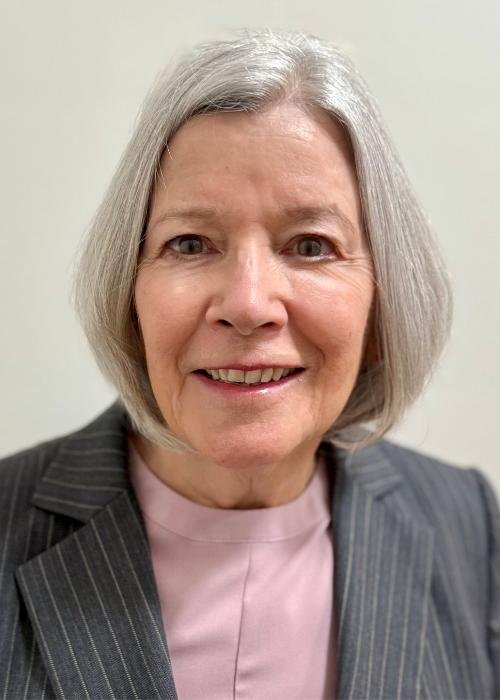
Patricia Resick, PhD
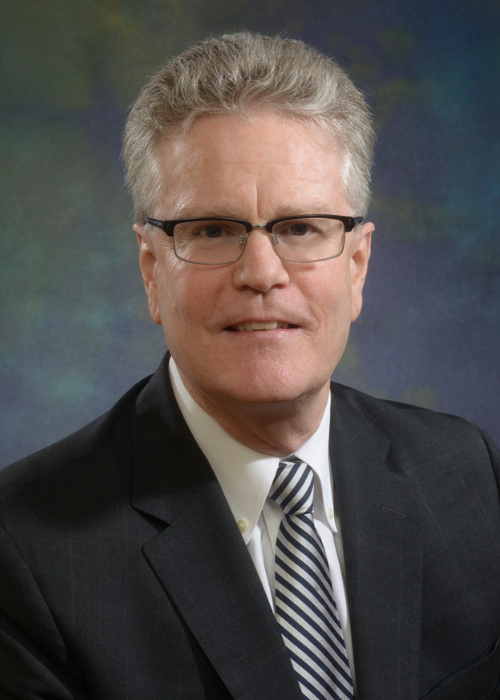
Terence Keane, PhD
Trauma Leadership Across the Globe: Stronger Together in Troubled Times
Friday, September 25, 2026
11:00 AM - 12:15 PM
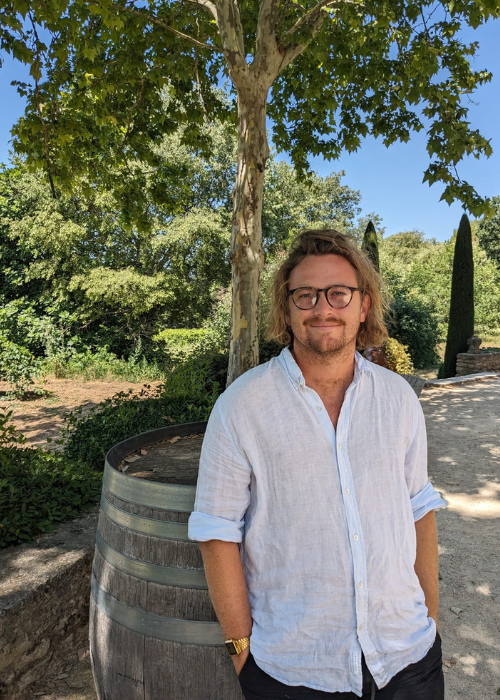
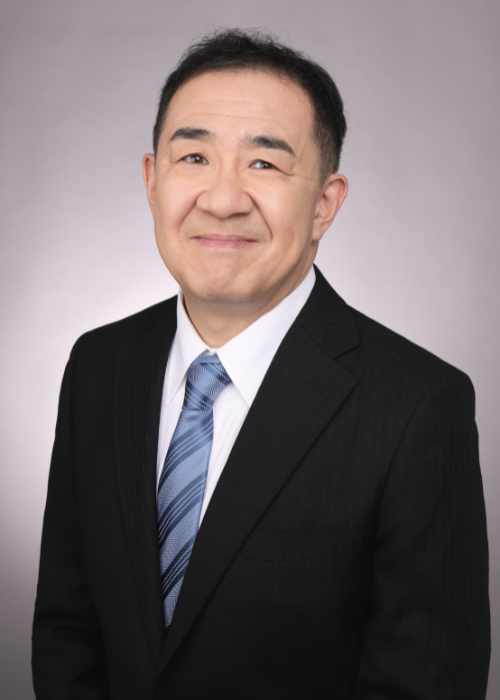
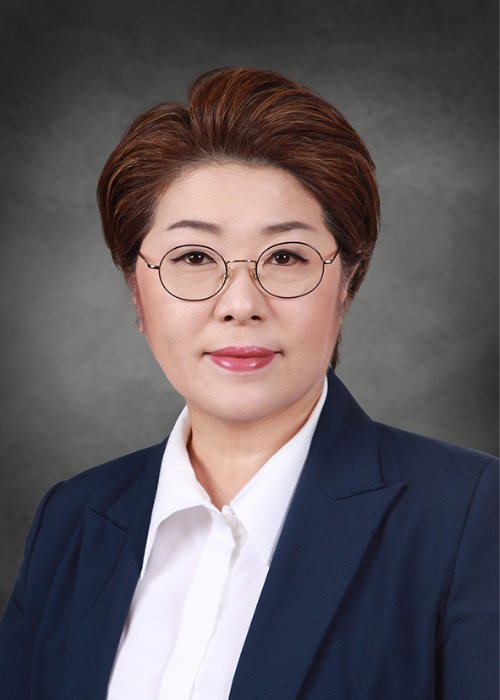
In a world shaped by ongoing violence and increasing natural and technological disasters, the need for traumatic stress leadership to help coordinate, evidence-informed responses continues to grow. For many decades, ISTSS has partnered with national and regional affiliate societies, serving as a hub for the global advancement and exchange of knowledge on traumatic stress. Affiliate societies play a critical role in research, clinical practice, policy, and education, as well as leading the response to local, national, and regional challenges. This panel brings together representatives from ISTSS and affiliate societies from around the world to explore how traumatic stress leadership is cultivated across diverse global contexts and how we are stronger together. Panelists will share examples of recent and current research, policies, and initiatives of their professional societies aimed at addressing the needs of trauma affected populations in these challenging times. The discussion will emphasize interdisciplinary approaches, the impact of continuous and large-scale trauma, and strategies for building capacity within and across communities to strengthen national, regional, and global access and outcomes.
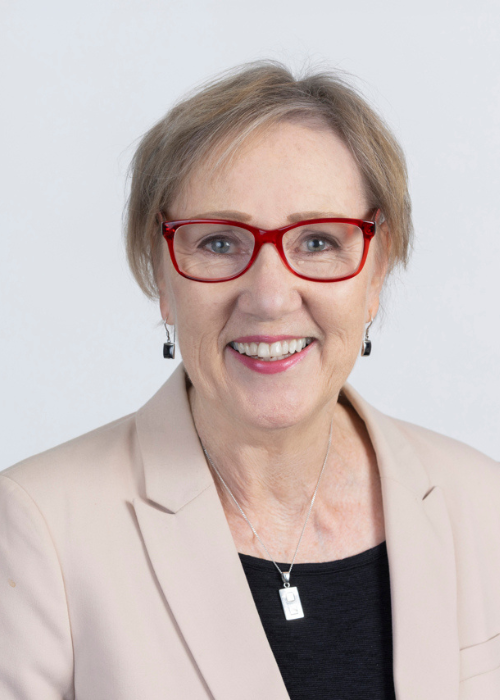
Andrea Phelps, PhD
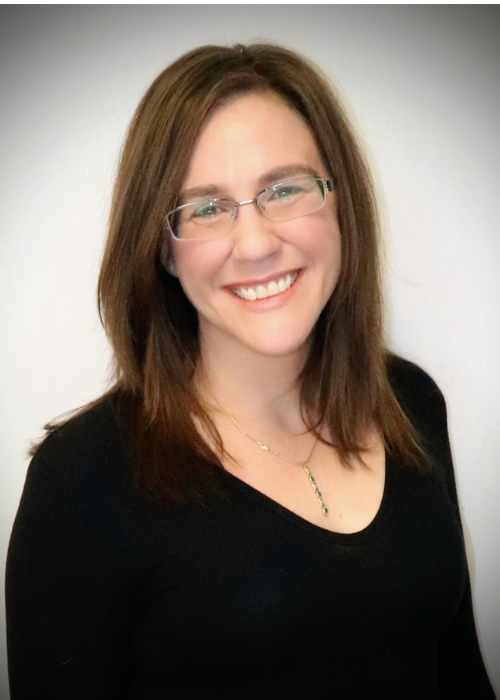
Michelle Lonergan, PhD
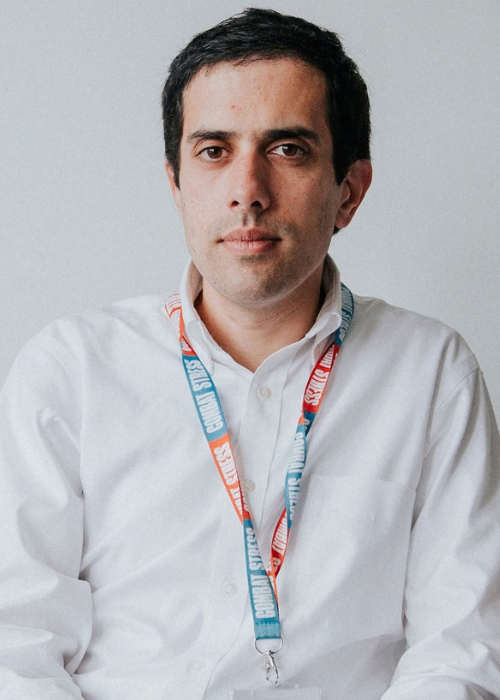
Professor Dominic Murphy
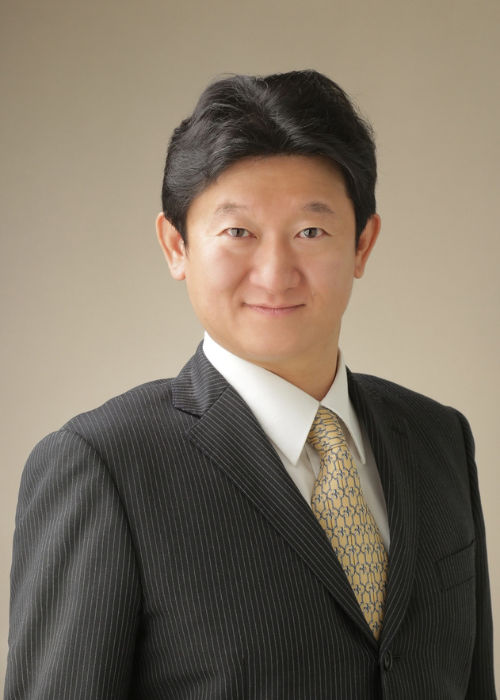
Sho Takahashi, MD
Max Loomes
Jun Shigemura, MD
Jinhee Hyun, PhD
ISTSS PTSD Treatment Guidelines
Friday, September 25, 2026
1:45 PM - 3:00 PM
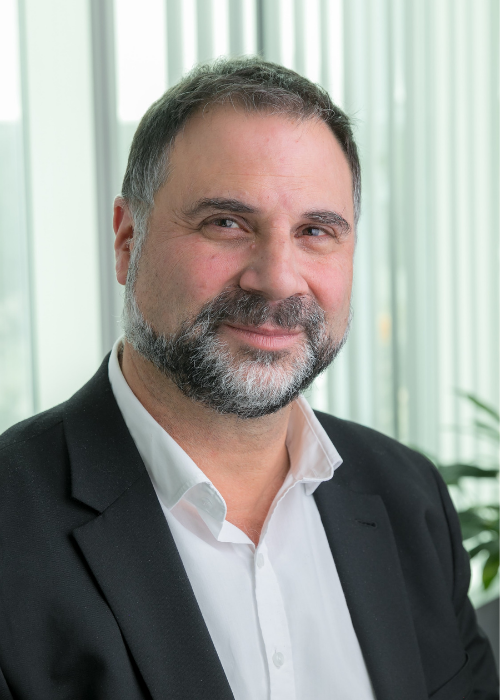
The current update of the ISTSS PTSD Treatment Guidelines heralds a bold new approach to guideline development, dissemination and implementation. Members of the Guideline Development Group will describe the features that make these guidelines distinctive: synthesising key datasets from existing PTSD guidelines across countries; applying advanced network‑analysis methodologies; genuinely co‑developing recommendations with people with lived experience; and prioritising global implementation relevance through a range of mechanisms including early engagement with ISTSS affiliate societies to ensure wide relevance, reach and practical applicability. The panel will outline the scope of the Guidelines, set out the key questions to be addressed and present preliminary data analyses. It will also highlight implementation challenges and invite attendees to share perspectives on global opportunities, barriers and enablers of implementation.
David Forbes, PhD
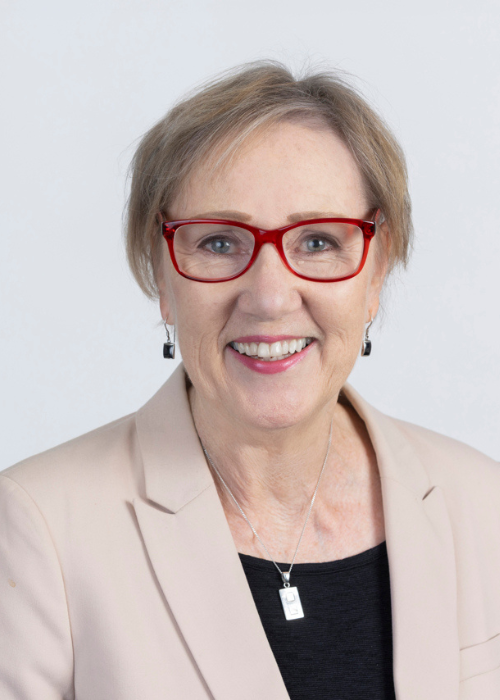
Andrea Phelps, PhD
Soraya Seedat, MD, PhD
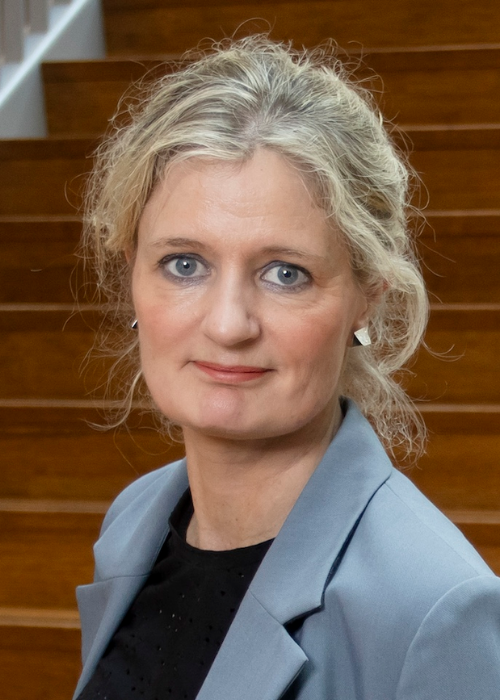
Marit Sijbrandij, PhD
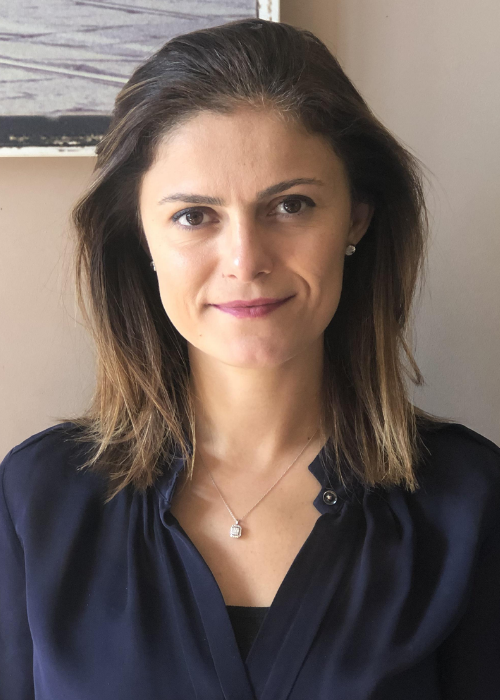
Ceren Acartürk
Sandra Ferreira
Thank You to Our 2026 Sponsors!







Thank You to Our 2026 Exhibitors!