
AI and the Future of Scalable, Personalized, Digital Assessment and Interventions
The PTSD diagnosis encompasses highly heterogeneous presentations, contexts, and needs. To address this, I will discuss the development of AI tools and demonstrate their relevance and application to diverse contexts relevant to highly personalized traumatic stress assessment and interventions. This talk will review foundations of AI and focus on emerging clinical applications.
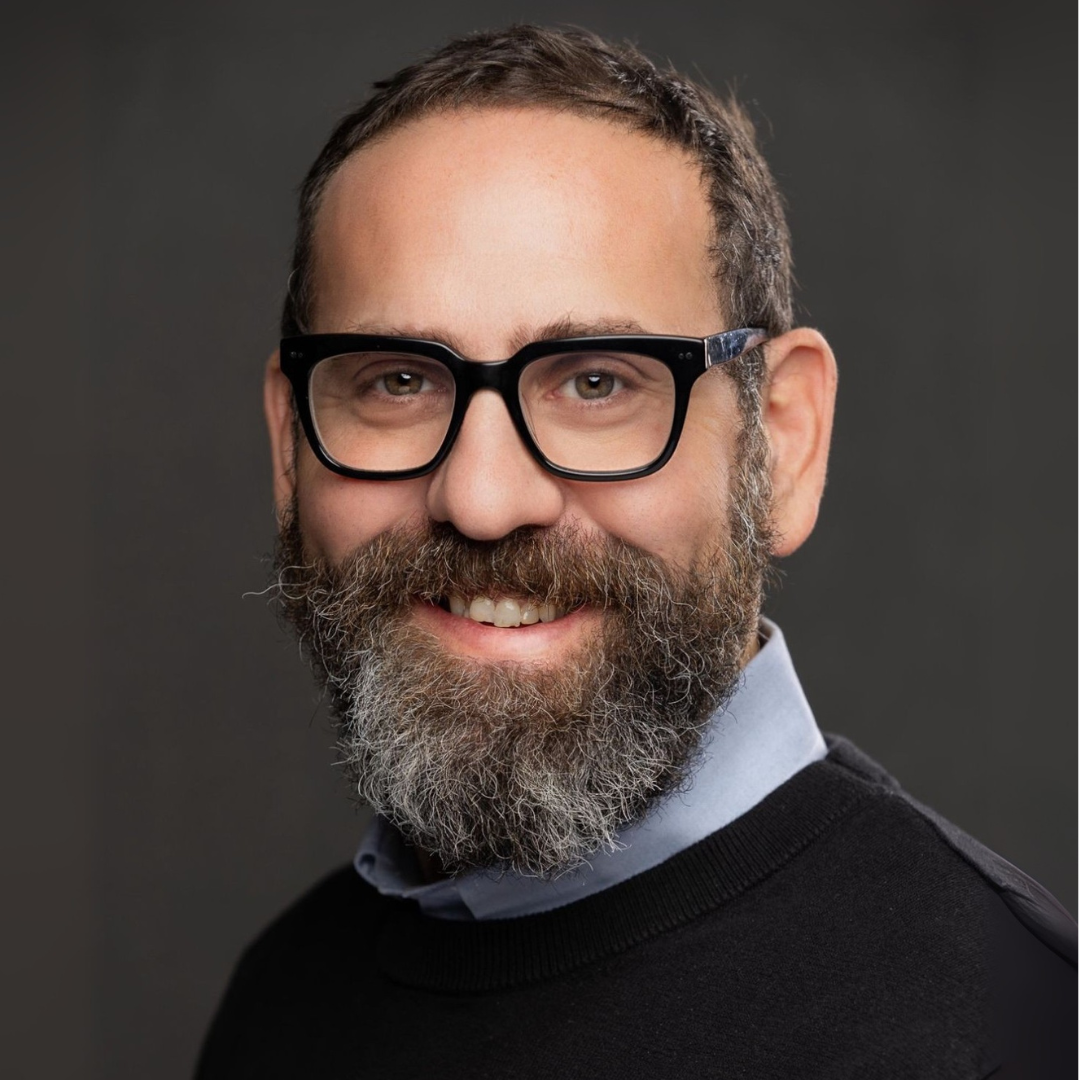
Isaac Galatzer-Levy, PhD
Isaac Galatzer-Levy is a senior research lead at Google DeepMind working on AI applications to mental health. He has led seminal research and application development in areas of, remote sensors, algorithms, and AI for psychological applications. As an Adjunct Assistant Professor at NYU Grossman School of Medicine, his research focuses on applying machine learning to predict and characterize traumatic stress responses using multimodal signals, including epigenetics and video.
Dr. Galatzer-Levy has authored over 100 peer-reviewed articles in journals such as Nature Medicine, JAMA Psychiatry, Daedalus, Annual Review of Psychology, and Psychological Science. He holds patents for mental health measurement and delivery technologies. He received his PhD in Clinical Psychology from Columbia University under the mentorship of George Bonanno and completed postdoctoral training at NYU Grossman School of Medicine, mentored by Charles Marmar, Arieh Shalev, Amit Etkin, and Joseph LeDoux.
Invited Session: Frontiers in Psychedelics and Other Highly Novel Pharmacotherapies: Where Do We Stand in 2025?
Discussant: Barbara Rothbaum, PhD
Participants: Leslie Morland, PhD; Alfred Kaye, MD, PhD; Manish Agrawal, MD; Sandeep Nayak, MD; Steve Levine, MD
This panel will present new data on the use of psychedelics and entactogens for the treatment of posttraumatic stress disorder (PTSD), exploring clinical, mechanistic, and regulatory dimensions. Several ongoing clinical trials are evaluating MDMA-assisted psychotherapy integrated with established treatments for PTSD and complex trauma. One study investigates MDMA-assisted Brief Cognitive Behavioral Conjoint Therapy (bCBCT) in dyads, while another randomized, double-blind trial examines MDMA-enhanced Massed Prolonged Exposure (METEMP) in Veterans. Both trials report promising reductions in PTSD and depression symptoms, with preliminary data also addressing expectancy effects and masking adequacy. An open-label trial of the METEMP protocol further supports that a single MDMA dose combined with intensive PE yields large symptom reductions. Preliminary outcomes suggest feasibility and symptom reduction, with insights into treatment acceptability and pharmacological interactions. It has been argued that therapeutic effectiveness depends less on the specific psychedelic and more on the clinician’s understanding of trauma principles. Treatment should always be grounded in ethical frameworks, tailored approaches for different trauma presentations, and a shift in focus from the drug itself to the integration of therapy and patient-specific needs.
Beyond clinical trials, mechanistic research seeks to clarify how psychedelics exert therapeutic effects. Emerging evidence highlights the role of fear extinction and specific neural circuits in mediating symptom improvements. Finally, regulatory considerations are addressed, including the FDA approval pathway for psychedelic therapies, distinctions from non-regulatory models (e.g., decriminalization), and implications for equitable access. Together, these studies and perspectives underscore the growing potential of integrating psychedelics into PTSD treatment, while identifying key areas for further investigation in efficacy, mechanisms, and implementation pathways.
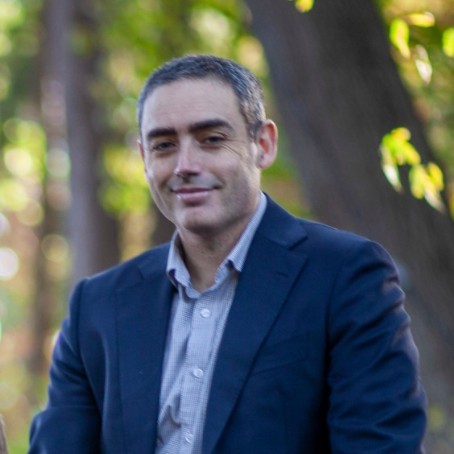
Alfred Kaye, PhD
Dr. Alfred P. Kaye is an Assistant Professor of Psychiatry at Yale University School of Medicine and member of both the Wu Tsai Institute and Yale Center for Brain Mind Health. A board-certified psychiatrist and circuit neuroscientist who completed his MD-PhD at UC San Diego, Dr. Kaye integrates systems neuroscience approaches with clinical expertise to understand neural mechanisms underlying emotional behaviors and develop improved treatments for PTSD. His laboratory employs cutting-edge neural circuit techniques and computational modeling of emotional behaviors to investigate how psychedelics and entactogens like MDMA modify these circuits to promote therapeutic plasticity. His work on psychedelics and entactogens has been supported by multiple federal awards to map the clinical promise of psychedelics to the structural realities of neurobiology. Dr. Kaye has also worked on using computational models of reinforcement learning to better understand PTSD and neural circuit correlates of emotional behaviors relevant to trauma. By mapping these compounds' effects on neural plasticity to their therapeutic potential, his work bridges the gap between molecular mechanisms and clinical applications in trauma treatment.
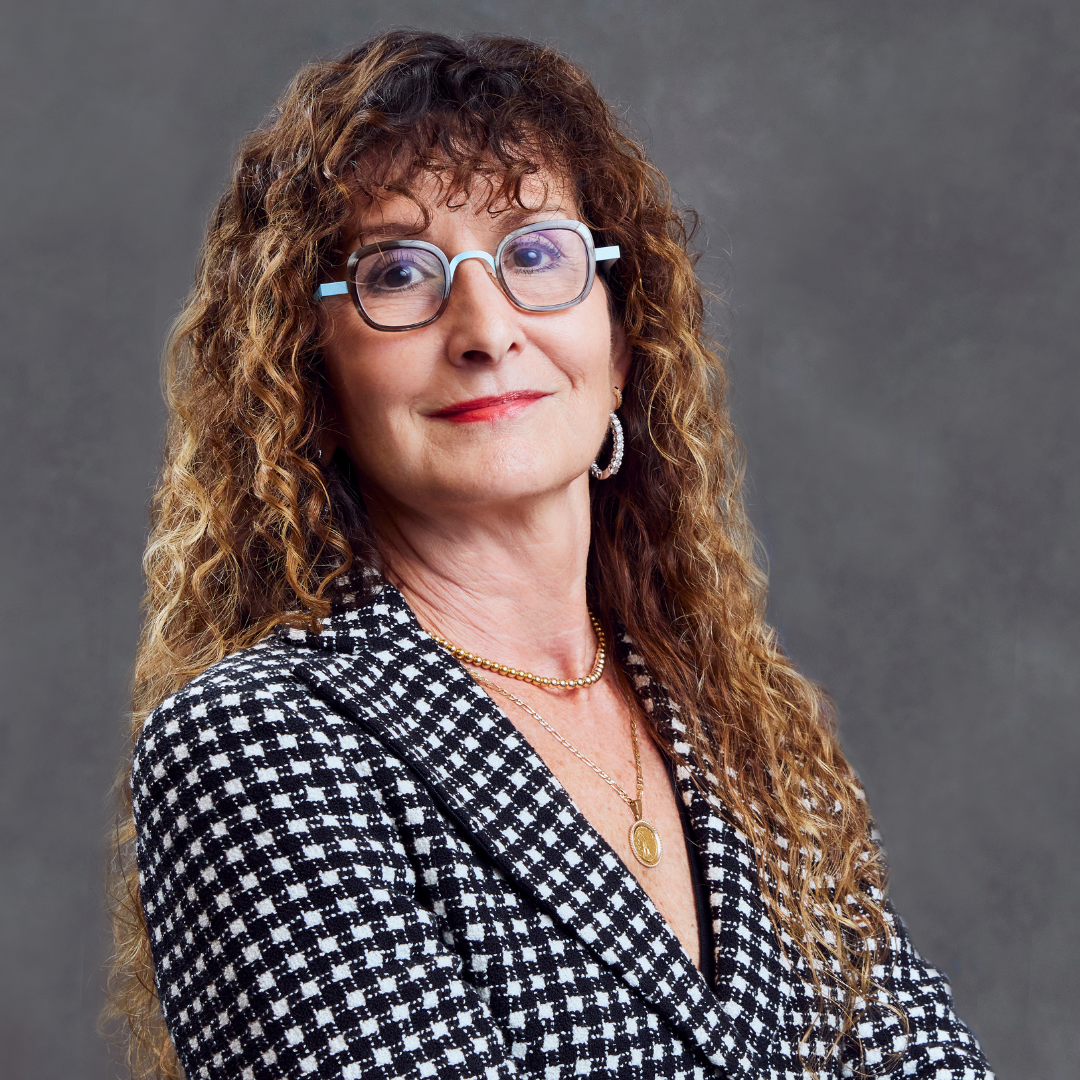
Barbara Rothbaum, PhD
Barbara Olasov Rothbaum, PhD is Director of the Emory Healthcare Veterans Program. She is a professor and Associate Vice Chair of Clinical Research at Emory School of Medicine in the Department of Psychiatry and Behavioral Sciences and Director of the Trauma and Anxiety Recovery Program and holds the Paul A. Janssen Chair in Neuropsychopharmcology. She specializes in research on the treatment of anxiety disorders, particularly PTSD. Dr. Rothbaum has been studying PTSD treatments since 1986, and has developed, tested, and disseminated some of the most innovative and effective treatments available for PTSD. She is an inventor of virtual reality exposure therapy. Dr. Rothbaum has been conducting translational research on MDMA for almost a decade. She has authored over 400 scientific papers and chapters, has published 11 books on the treatment of PTSD and edited 4 others on anxiety, and received the Diplomate in Behavioral Psychology from the American Board of Professional Psychology. She is a past president of the International Society of Traumatic Stress Studies (ISTSS). She was awarded the Robert S. Laufer Award for Outstanding Scientific Achievement from ISTSS and received the 2021 ISTSS the Lifetime Achievement Award. Her recent books on PTSD for the general public: PTSD: What Everyone Needs to Know and Making Meaning of Difficult Experiences.
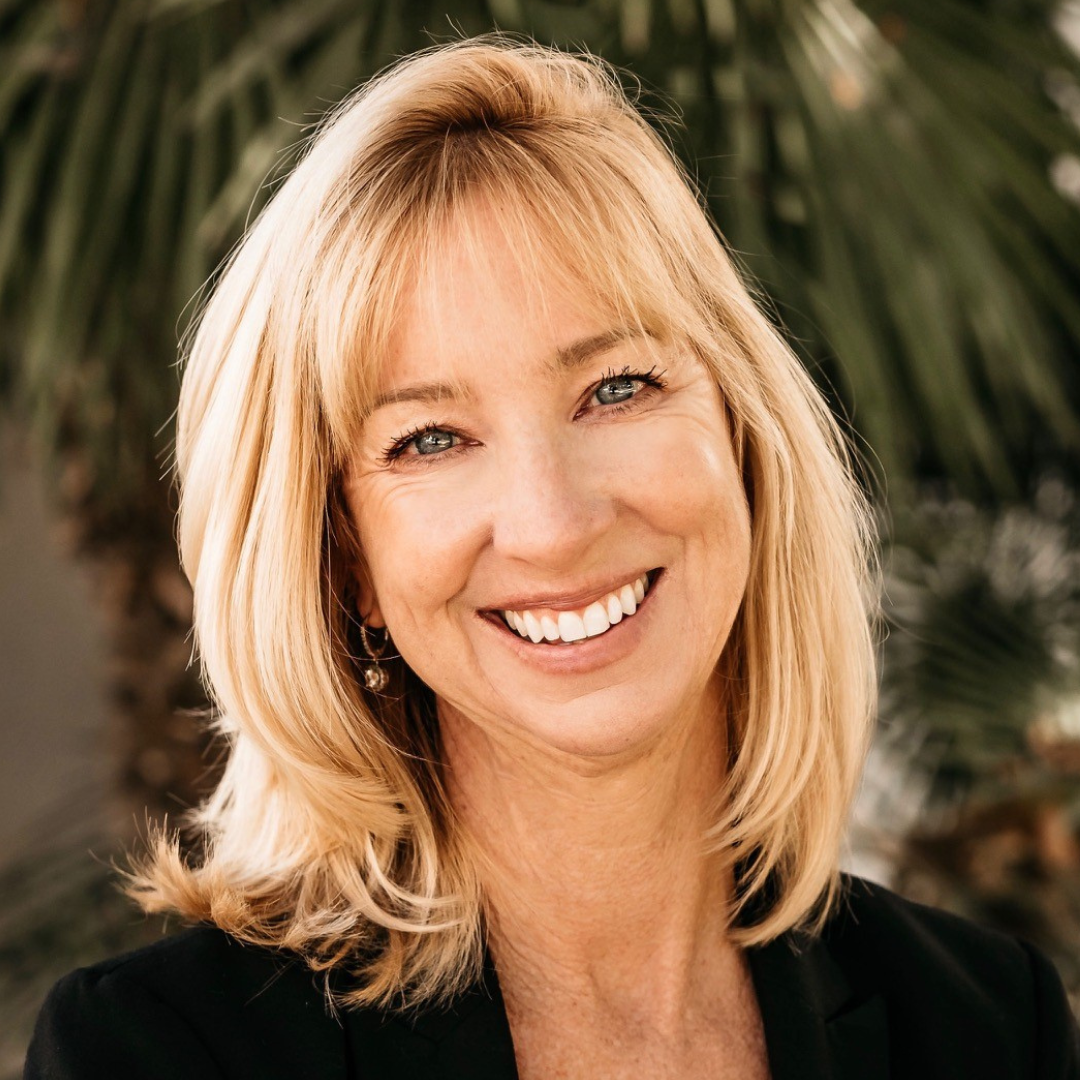
Leslie Morland, PsyD
Leslie Morland, PsyD, is a Senior Researcher at the National Center for PTSD, Women’s Health Science Division (NCPTSD-WHSD), and a Professor of Psychiatry at the University of California, San Diego (UCSD). For over 25 years, she has led nationally recognized efforts to expand access to and improve efficacy of evidence-based PTSD treatments.
A pioneer in Telemental Health, Dr. Morland has played a central role in developing and implementing virtual care models for PTSD, helping to shape national policy and clinical practice. Her leadership was especially influential during the COVID-19 pandemic, when mental health services rapidly transitioned to remote delivery. She was recently appointed to the American Psychological Association (APA) Task Force developing the 2024 National Telepsychology Guidelines and has delivered national trainings on preserving fidelity to evidence-based care in digital settings.
Dr. Morland is also currently Principal Investigator of multiple federally funded clinical trials examining novel pharmacotherapy augmentation strategies—including oxytocin and MDMA-assisted psychotherapy—to enhance evidence-based PTSD treatments. Her research also explores the therapeutic impact of involving loved ones in care to strengthen relational support and recovery.
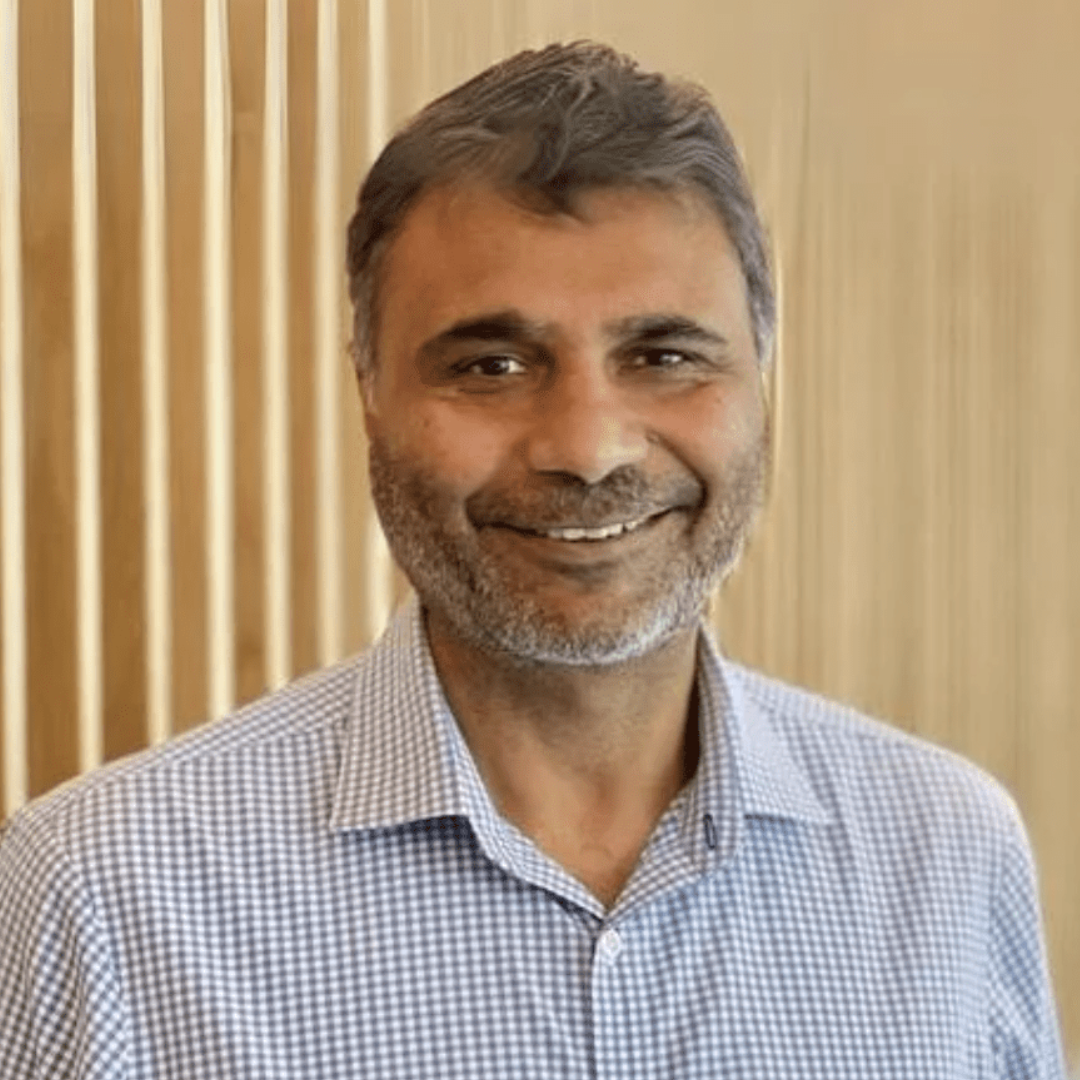
Manish Agrawal, MD
Dr. Manish Agrawal is a physician and clinical researcher specializing in psychedelic-assisted
therapy, with a focus on research and delivery of psychedelic therapies for those affected by
complex mental health challenges. After nearly two decades as a practicing oncologist, during
which he observed the significant psychological burden faced by patients and families
confronting serious illness, Dr. Agrawal transitioned his clinical and research interests toward
trauma-informed mental health care.
In 2020, he co-founded Sunstone Therapies, a leading clinical research center dedicated to
delivering evidence-based psychedelic-assisted therapy for individuals with cancer and complex
psychological challenges, including trauma, post-traumatic stress disorder (PTSD), and
depression. Sunstone established the first purpose-built psychedelic therapy center in the
United States and has conducted multiple landmark clinical trials, including the first group-based
psilocybin study conducted in a community oncology setting.
Dr. Agrawal brings a rigorous medical foundation and extensive clinical experience to his current
work. As a board-certified oncologist, he treated thousands of patients and gained a deep
understanding of psychological suffering in the context of serious medical illness. Since entering
the field of psychedelic medicine, he has overseen a dozen clinical trials investigating the use of
compounds such as psilocybin, MDMA, and methylone across nine indications.
His trauma-focused work includes consulting on two U.S. Department of Defense–sponsored
studies: one evaluating Ibogaine for the treatment of PTSD and traumatic brain injury, and the
other investigating MDMA-assisted therapy for PTSD in active-duty service members at Walter
Reed National Military Medical Center.
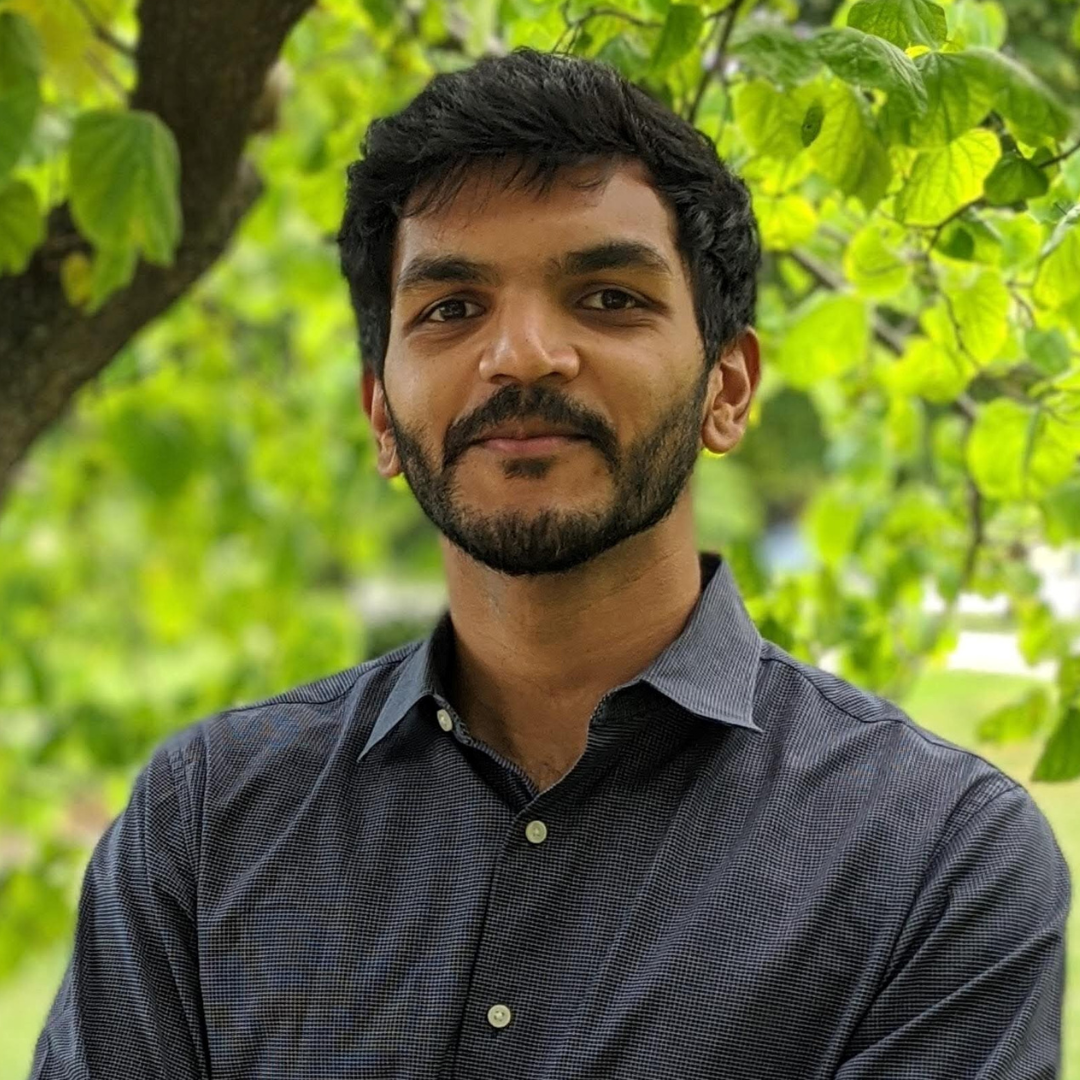
Sandeep Nayak, MD
Sandeep Nayak, MD, is a psychiatrist who completed his MD at Brown University and his psychiatry residency at Johns Hopkins Hospital. Following this he completed postdoctoral training with Roland Griffiths at the Johns Hopkins Center for Psychedelic and Consciousness Research, where he is currently an Assistant Professor, medical director and Principal Investigator. He has worked on a number of clinical trials of psilocybin for various psychiatric conditions. He is currently running psilocybin trials for Opioid Use Disorder, and PTSD, among others.

Steve Levine, MD
Dr. Steve Levine is a board-certified psychiatrist who has spent his career working across multiple facets of the healthcare system to improve people’s lives through creating access to innovation. He currently serves as Chief Patient Officer for Compass Pathways. Dr. Levine completed his internship and residency in psychiatry at New York - Presbyterian Hospital/Weill Cornell Medical Center. He then completed a fellowship subspecialty training in psychosomatic medicine/psycho-oncology at Memorial Sloan Kettering Cancer Center/New York - Presbyterian Hospital. Prior to Compass, he led the company he founded in 2010, Actify Neurotherapies, that built new models of care delivery across the US for novel and interventional psychiatry treatments. He has published extensively in both peer-reviewed journals and popular media, presented to both professional and lay audiences around the world, served in leadership roles for professional societies and not-for-profit entities, and received numerous awards for leadership and service.
Advancing Precision Psychiatry in PTSD: Discovering Subtypes through Molecular and Neural Biomarkers
Format: Symposia
Abstract: PTSD is marked by substantial variability in clinical presentation and underlying biology, presenting significant challenges for prediction, diagnosis, and treatment. Precision psychiatry offers a promising approach to overcome the limitations of a one-size-fits-all treatment model but requires robust strategies for subtyping PTSD. This symposium highlights ongoing efforts to discover and validate clinical PTSD subtypes and link them to their molecular and neural underpinnings. First, we present work that utilizes advanced clustering techniques to compare pre-specified clinical subtypes with data-driven subtypes, identifying stable subtypes across military cohorts. Next, we present efforts utilizing hierarchical multiomics to identify tissue-level signatures associated with depression among trauma exposed individuals, demonstrating clinical pathology is tied to biomarkers. Third, we hear from researchers employing DNA methylation profiles to classifyPTSD subtypes, revealing subtype-specific epigenetic markers with strong predictive accuracy, providing insights on PTSD pathophysiology. Finally, we detail how deep learning models are being applied to DNA methylation data from over 7,000 individuals to demonstrate the potential for rapid, objective PTSD risk assessment despite challenges in data heterogeneity and clinical variability. These studies underscore the transformative potential of combining clinical insights, molecular data, and advanced statistical methods to define and treat PTSD subtypes, ultimately advancing precision psychiatry and enhancing personalized care.
Chair: Charles Marmar, MD; NYU Langone School of Medicine
Presenter: Yuna Kim, PhD; NYU Grossman School of Medicine
Presenter: Nikolaos Daskalakis, MD; Harvard Medical School, McLean Hospital
Presenter: Maziar Ganji, MSc; The University of Memphis
Presenter: Ruoting Yang, PhD; Walter Reed Army Institute of Research
Assessing Trauma in Marginalized Populations: Symptom Differences, Reporting Discrepancies, and Measurement Gaps
Format: Symposia
Abstract: Accurately identifying individuals in need of trauma-related support requires precise measurement of trauma histories and posttraumatic stress disorder (PTSD). However, standard assessment tools may fail to capture the diverse ways symptoms manifest and are reported across marginalized communities. This symposium brings together four studies that illustrate how refining assessment strategies can improve the recognition of trauma and related stress among survivors with diverse and intersecting identities. First, Dr. Prakash will examine how PTSD symptoms differentially present across racial and ethnic groups in a nationally representative sample. Dr. Salim will evaluate the extent to which the PTSD Checklist for DSM-5 (PCL-5) items capture clinically significant sexual violence–related distress in bisexual+ women. Next, Dr. Mahoney will discuss discrepancies in sexual violence reporting among racial/ethnic and sexual/gender minority (SGM) college women, highlighting differences between direct versus behaviorally-specific questions. Dr. Schnarrs will describe the measurement invariance of the SGM–adverse childhood experiences (SGM-ACEs) scale within a sample of SGM individuals. Finally, Dr. Morgan-Lopez will synthesize the findings and discuss the implications of improving trauma assessment across diverse populations. By addressing item-level performance, question framing, and measurement equivalence, this symposium underscores the need for more inclusive and validated assessment tools to better capture the lived experiences of marginalized survivors.
Chair: Krithika Prakash, PhD; University of Pittsburgh
Presenter: Selime Salim, PhD; Stanford University
Presenter: Krithika Prakash, PhD; University of Pittsburgh
Presenter: Colin Mahoney, PhD; University of Colorado Colorado Springs (UCCS)
Presenter: Phillip Schnarrs, PhD; The University of Pittsburgh
Discussant: Antonio Morgan-Lopez, PhD; RTI International
Global Challenges and Consequences Related to Mass Violence and Displacement
Format: Symposia
Abstract: This symposium explores innovative approaches to mental health care for individuals affected by war and political oppression, with a focus on trauma, comorbidity, moral injury, and digital interventions. The presentations examine how PTSD, depression, and anxiety often coexist in trauma-exposed populations, with network analysis showing that sleep difficulties and depression serve as central connections between these conditions, highlighting the need for targeted interventions.
The issue of moral injury in war-affected young adults is also explored, emphasizing how factors like gender, adverse childhood experiences, and social support shape mental health outcomes. These findings underline the need for interventions tailored to the specific needs of young individuals in conflict zones.
Additionally, the symposium addresses digital mental health interventions, showcasing the effectiveness of trauma-informed services for individuals living under political oppression. This digital approach demonstrates the potential for technology to provide vital mental health support in repressive environments.
Lastly, the Superminds Program highlights the importance of sustained aftercare for persons with war related amputation and their families, emphasizing long-term recovery through structured, research-based support. Together, these presentations stress the need for integrated, adaptable interventions to address the complex realities of trauma and mental health.
Chair: Jana Javakhishvili, PhD; Ilia State University
Presenter: Larysa Zasiekina, PhD; Lesya Ukrainka Volyn National University
Presenter: Jana Javakhishvili, PhD; Ilia State University
Presenter: David Pedlar, PhD; University of Ottawa Institute for Mental Health Research at the Royal
Presenter: Cherie Armour, PhD; Queens University Belfast
Structurally Competent Care for Children and Families Coping with the Continuous Traumatic Stress of Structural Violence and Community Violence
Format: Panel
Abstract: In racially and economically segregated urban communities, structural violence and chronic adversity perpetuate the risk for community violence and related trauma exposures. Despite widespread awareness of community violence, urban youth of color are among those least likely to have access to services that promote trauma recovery. When they do encounter the mental health system, the focus is often on behavioral control rather than on understanding and addressing the continuous traumatic stress they face. This panel will describe multipronged, interdisciplinary efforts at an academic medical center with one of the highest volumes of bullet-related injuries in the United States, to provide youth and families affected by community violence with trauma-informed, structurally competent services in both office-based and community-based settings. The panel includes a team comprised of a clinical psychologist, sociocultural psychologist, child psychiatrist, and adult psychiatrist, all of whom take diverse and complementary approaches to treating the effects of community, historical, and racial trauma. We will present diagnostic data from a psychological and psychiatric needs assessment clinic (Stolbach), describe a culturally valid, community- and strengths-based approach to disrupting the intergenerational transmission of trauma (Lewis), strategies for developing structurally competent practices and practitioners (Anam) and discuss the results of these collective efforts in comparison to more traditional, Eurocentric approaches to diagnosis and intervention (Lee).
Chair: Bradley Stolbach, PhD; Univ of Chicago
Presenter: Bradley Stolbach, PhD; Univ of Chicago
Presenter: Marva Lewis, PhD; Tulane University School of Social Work
Presenter: Seeba Anam, MD
Discussant: Royce Lee, MD; The University of Chicago
Trauma-Related Mental Health Problems in Low-Resource Settings Across the Globe: From Needs to Interventions
Format: Symposia
Abstract: This symposium examines mental health problems experienced by trauma-exposed individuals in low resource settings around the world. We present three empirical research studies of marginalised groups in three different countries that demonstrate high trauma-related mental health needs, followed by a meta-analysis of PTSD treatments in low- and middle-income countries (LMICs).
The first talk reveals the high and unmet mental health needs of rural sexual and gender diverse adults with probable PTSD in the USA. The second talk demonstrates high rates of PTSD in adults with HIV in Zimbabwe, which is particularly linked with interpersonal and multiple trauma exposure, and additionally with exposure to other stressful events. The third talk also considers the impact of trauma characteristics, focussing on depression symptoms among Syrian refugees in Jordan, finding that trauma characteristics explain a relatively small fraction of the variance. The fourth talk considers how these high mental health needs could be met, by evaluating the effectiveness of PTSD treatments in LMICs, demonstrating the benefits of a wide range of interventions in treating PTSD and comorbid symptoms.
Taken together, these findings highlight the need for more trauma-related mental health interventions in low-resource settings. They also suggest the importance of considering the impact of a range of life events, including ongoing stressors. The findings additionally call for a more comprehensive understanding of transdiagnostic trauma-related needs and the development and implementation of interventions to address them.
Chair: Stephanie Lewis, PhD; King's College London
Presenter: Lauren Yan, MSW; Johns Hopkins University
Presenter: Sarah Murray, PhD
Presenter: Mia Akiba, PhD
Presenter: Stephanie Lewis, PhD King's College London
Understanding and Improving Quality PTSD Care in the Veteran and Military Health Systems
Format: Symposia
Abstract: Veterans and active-duty service members can receive low or no-cost behavioral health care through the Veteran’s Health Administration (VHA) and Military Health System (MHS), respectively. Access to high-quality behavioral health care is a priority for the Veteran Affairs (VA) and Department of Defense (DoD). Clinical practice guidelines for PTSD jointly developed by VA and DoD recommend specific trauma-focused psychotherapies (TFPs) as first line PTSD treatments (VA/DoD, 2023). Some prior work has examined use of TFPs in VA, but little is known about reach of TFP in the MHS or TFP delivery in novel telehealth and massed (multiple sessions per week) modalities. This symposium brings together health systems and implementation research on patterns of TFP reach and on innovations to improve access to TFPs. First, Dr. Holder will share findings on TFP use via telehealth and the impact of this modality on quality metrics such as adequate dose and treatment density. Next, Dr. Holliday will present data on use of massed format TFPs in VA residential programs and these programs’ outcomes relative to standard residential care. Dr. McLean will present data on receipt of TFPs in the MHS and the administrative, demographic, and clinical factors associated with TFP receipt at different dosages. Finally, Dr. Rosen will share outcomes from a multi-site trial testing a tailored implementation strategy to increase TFP use in the MHS. These presentations shed light on both promising innovations and continuing challenges in expanding veterans’ and service members access to high-quality treatment for PTSD.
Chair: Craig Rosen, PhD; National Center for PTSD
Presenter: Craig Rosen, PhD; National Center for PTSD
Presenter: Nicholas Holder, PhD; San Francisco VA Health Care System; University of California San Francisco
Presenter: Ryan Holliday, PhD; Rocky Mountain MIRECC for Suicide Prevention
Presenter: Carmen Mclean, PhD; National Center for PTSD