
2026 Keynote Speakers
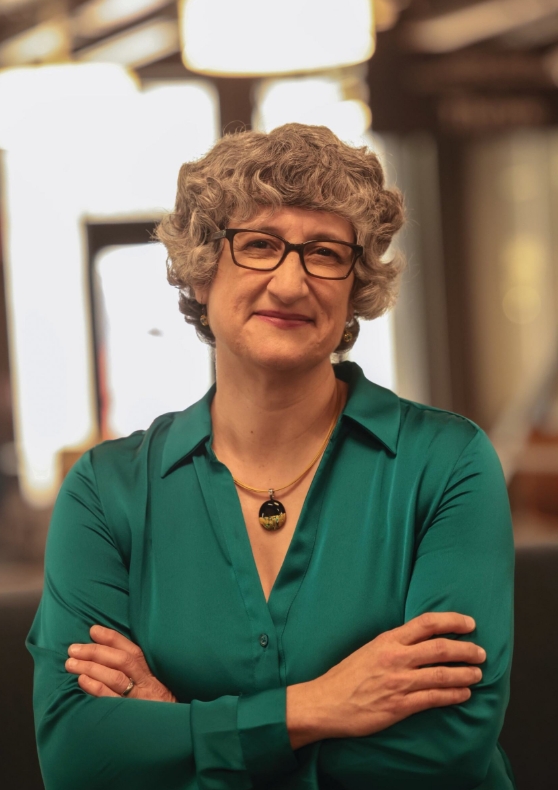
Mary-Frances O'Connor, PhD
The Neuroscience of Grief:
How We Learn From Love and Loss
Thursday, September 24, 2026
9:30 AM - 10:45 AM
Using an integrative view of clinical psychology and cognitive neuroscience, Dr. O’Connor explores grieving as a learning process, describing how the brain is critical in understanding that a loved one has died, updating one’s view of the world while carrying the absence of this person. Cognitive neuroscience can help clarify the “why” of grief—why it takes so long, and is so painful. Dr. O’Connor explains that older stage models of grief are no longer used and offers a new paradigm for understanding love, loss, and learning. In addition, she recounts how empirical research has helped to define prolonged grief disorder (previously called complicated grief) and how targeted psychotherapy is an effective treatment for this disabling condition.
Miranda Olff, PhD
Sex/Gender and Trauma in a Troubled World - A Global Issue?
Saturday, September 26, 2026
9:30 AM - 10:45 AM
Unprecedented numbers of people worldwide are being exposed to armed conflict, forced displacement, climate-related disasters, and interpersonal violence, including gender-based violence. Recent reports of sexual assault of women while asleep or unconscious by intimate partners or other men, as well as conflict-related sexual violence against men and boys, illustrate the diverse forms such violence can take. Sex and gender influence not only trauma exposure but also its sequelae, access to care, and recovery. Their effects, however, are complex, context-dependent, and extend far beyond simple comparisons between women and men. This keynote explores how sex, gender, and their interaction with culture, social norms, and structural inequalities shape trauma exposure and its consequences. Decades of research show that sex and gender influence PTSD risk, symptom trajectories, and a broad range of mental and physical health outcomes through interacting biological, psychological, social, and contextual factors. Despite growing evidence, important challenges remain. Sex and gender are still often used interchangeably, binary classifications overlook diversity, research methods are suboptimal and most evidence still comes from high-income countries. The field must move beyond asking whether sex and gender matter (Olff et al., 2007) to understanding how they shape trauma outcomes across diverse global contexts using more rigorous, intersectional, and sex- and gender-sensitive research. This is essential for equitable prevention, policy, and treatment in an increasingly troubled world.
Presidential Panel
Preparing Communities for Large-Scale, Sustained Conflict: Mental Health, Resilience and System Considerations
Saturday, September 26, 2026
1:45 PM - 3:00 PM
Growing geopolitical tension increases the likelihood that some nations will face large-scale and sustained conflict. Whole-of-society preparedness spans government, intelligence, security, health, mental health and welfare systems and workforces. This includes preparing for a surge in demand for mental health support, triage frameworks, management of displaced people and asylum seekers, community risk reduction, building resilience, and supporting military, veteran and family communities. This panel brings together international experts in military, veteran and disaster mental health to discuss lessons that can be drawn from prior and current conflicts as well as other large-scale hazard events such as disasters, terrorist attacks and pandemics. Guided by research and expert consensus, the panel focuses on actions to support communities, highlighting cross-sector coordination and collaboration, continuity planning, and support for vulnerable groups across the preparedness-response-recovery continuum.
Amy Adler, PhD
Dominic Murphy MA,PhD,Prof
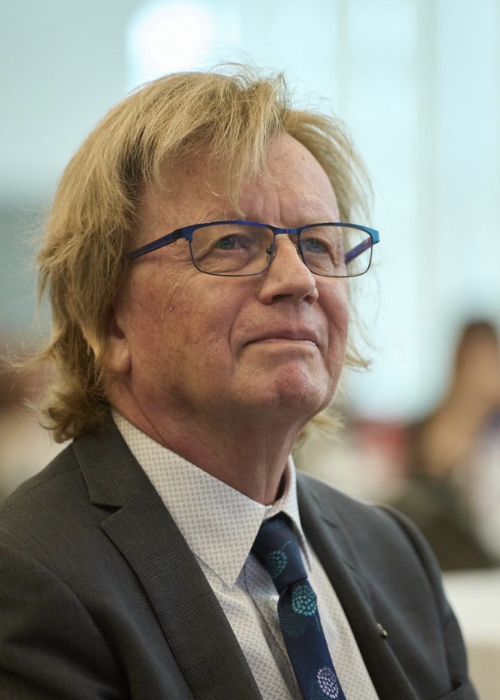
David Pedlar PhD
Nicole Sadler PhD
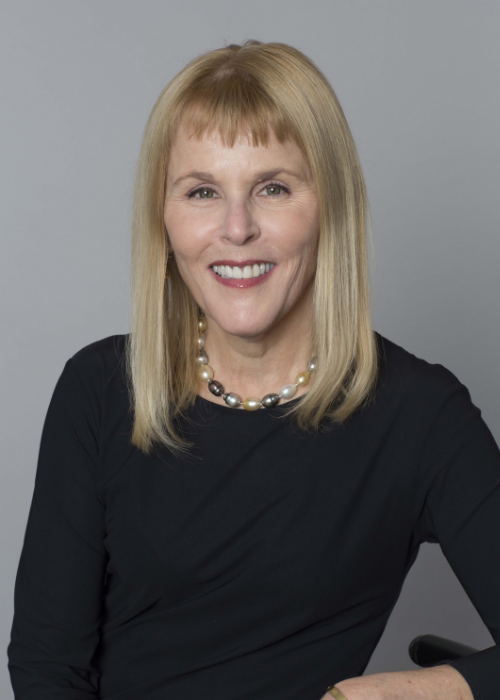
Paula Schnurr PhD
Keynote Panel
The Ethics of AI: Balancing Benefits and Harms
Friday, September 25, 2026
9:30 AM - 10:45 AM
The use of artificial intelligence (AI) across research, clinical practice and broader psychosocial support is advancing rapidly in the trauma field. AI holds real promise for reducing inequities in access to high-quality assessment and evidence-based treatments. At the same time, it carries risks: unintended harms when ethical issues are overlooked (for example, biased algorithms, problematic attachment to AI systems), and deliberate harms when AI is misused for malicious or unethical purposes. These risks can disproportionately affect children, young people and other vulnerable groups. As trauma professionals working in research, clinical practice or policy, we must stay current with the ethical issues arising from AI and understand how these considerations apply to our work. This invited panel brings together experts in the ethics of AI from theoretical, research and frontline perspectives. Panelists will introduce core ethical principles as they relate to AI in healthcare and research, illustrate key challenges with real‑world examples, and offer practical guidance on navigating benefits and harms — including safeguards for vulnerable clients and strategies for risk mitigation.
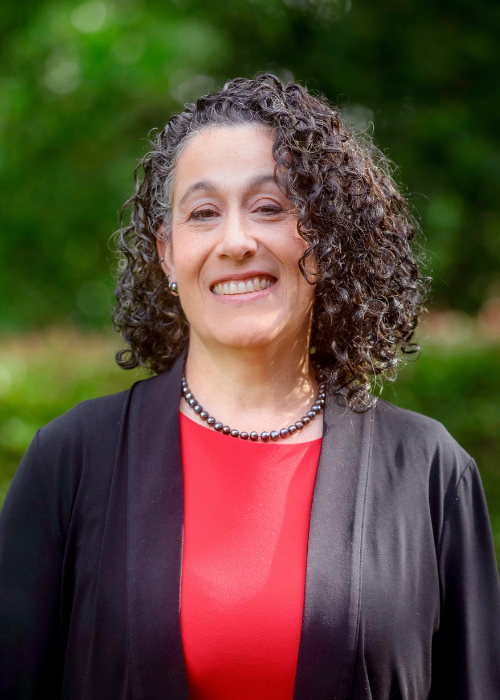
Opening Plenary
Collaboration in Action: Trauma Informed Practice Across San Antonio
Wednesday, September 23, 2026
6:00 AM - 7:30 PM
San Antonio is home to diverse communities affected by trauma, as well as innovative organizations working to address their unique needs. This panel will highlight three San Antonio-area organizations serving distinct populations whose work and collaboration with research and clinical partners showcases our conference theme of collaboration on evidence and action.
Representatives from the Pride Center San Antonio, the Center for the Intrepid, and the Center for Refugee Services will share perspectives on their work with LGBTQ+ communities, service members and veterans recovering from wounds of war, and refugees navigating resettlement and recovery respectively. Panelists will discuss the distinct challenges facing the populations they serve, the role of research and trauma-informed approaches in their programs and services, and lessons learned from working within the San Antonio community.
Together, these perspectives will illustrate both the diversity of trauma experiences and the shared principles that can strengthen responses across populations and settings. The conversation will also explore opportunities for collaboration among researchers, clinicians, community organizations, and other partners to better support trauma-affected individuals and communities.
By bringing local voices into the ISTSS Annual Meeting, this panel offers attendees an opportunity to learn from the host community, consider how evidence-informed practices are adapted to meet different needs, and reflect on how community-based initiatives can inform broader efforts to advance trauma recovery and resilience.
Invited Speakers
Scaling Psychological Interventions for Forcibly Displaced Populations: Evidence, Implementation, and Future Directions
The global displacement crisis has created an urgent need for scalable, evidence-based mental health and psychosocial support (MHPSS) interventions that can be delivered effectively in humanitarian settings. Over the past decade, the World Health Organization (WHO) has developed a suite of interventions that have demonstrated promise across diverse refugee populations. However, translating these interventions from research into sustainable routine practice remains a major challenge, particularly in the context of growing humanitarian need and declining international funding. This panel brings together leaders in global mental health to examine the evidence, implementation, and future of scalable MHPSS for forcibly displaced populations. Angela Nickerson will present findings from a randomized controlled trial of the Doing What Matters in Times of Stress intervention among 303 Afghan refugees living in protracted displacement in Indonesia, examining intervention effectiveness, mechanisms of change, and characteristics associated with treatment response. Iryna Frankova will present outcomes from the U-RISE project, highlighting the implementation of peer-delivered PM+, SH+ and DWM for Ukrainian refugees across Europe and the adaptation of PM+ for refugee youth in the Netherlands. Naser Morina will discuss lessons from implementing PM+ and EASE at scale, focusing on training and supervision systems, quality assurance, stepped-care integration, partnerships, and long-term sustainability. Pieter Ventevogel will conclude by reflecting on the evolution of MHPSS in humanitarian settings over the past 15 years, the challenges posed by the current funding landscape, and opportunities to sustain and expand evidence-based care. Together, the panel will discuss how evidence-based psychological interventions can be effectively scaled and sustained to meet the growing mental health needs of forcibly displaced populations worldwide.
Thursday, September 24, 2026
11:00 AM - 12:15 PM
Marit Sijbrandij, PhD
Naser Morina, PhD

Iryna Frankova, PhD
Angela Nickerson, PhD
Peter Ventevogel, MD, PhD
Spotlight on Research From Past Putnam Research Scholars and Bela and Chaim Danieli
Early Career Professional Award Winners
This invited session will feature past recipients of the International Society for Traumatic Stress Studies (ISTSS) Bela and Chaim Danieli Early Career Professional Award and the Frank W. Putnam Trauma Research Scholars Program. The Bela and Chaim Danieli Early Career Professional Award recognizes excellence in the traumatic stress field by an individual who is within eight years of their terminal degree. The Frank W. Putnam Trauma Research Scholars Program supports the research of ISTSS student members. This invited session will feature four past award winners. Dr Ateka Contractor (past Danieli winner) will present on a novel PTSD intervention that targets positive memory processes. Dr. Cameron Pugach (past Putnam winner) will present findings from two studies focused on negative emotion differentiation (NED) as an important factor in the maintenance of PTSD. Mariel Emrich (past Putnam winner) will share findings from an ongoing single-arm pilot study assessing the feasibility and acceptability of an integrated treatment for adults with PTSD and chronic pain. Finally, Dr. Gabrielle Gauthier (past Putnam winner) will examine the impact of contextual and semantic processing in the aftermath of extreme weather trauma exposure on mental health outcomes.
Thursday, September 24, 2026
1:45 PM - 3:00 PM
Ateka Contractor, PhD
Cameron Pugach, PhD
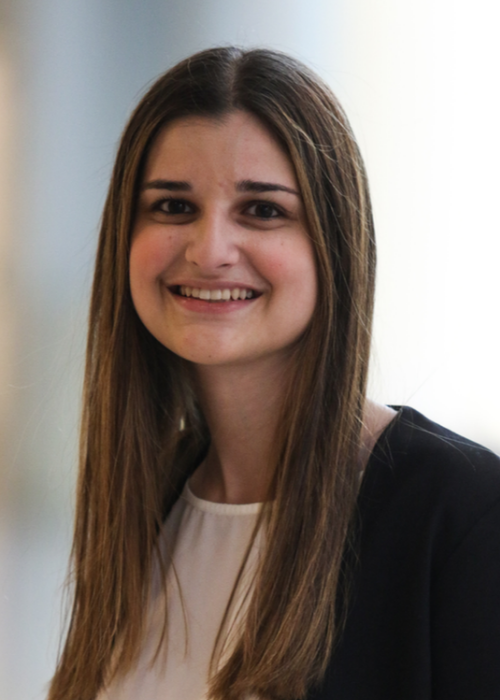
Mariel Emrich, MS
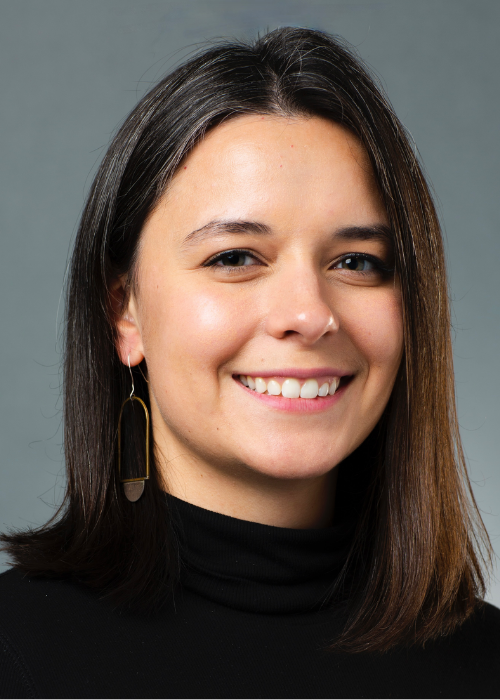
Gabrielle Gauthier, MS
Advancements in the Treatment of PTSD by the Strong Star Consortium:
Two Decades of Progress
Over the past 2 decades the South Texas Research Organizational Network Guiding Studies on Trauma and Resilience (STRONG STAR Consortium) has supported over 30 clinical trials to develop and evaluate the efficacy of trauma-focused cognitive behavioral therapies for combat-related PTSD in military personnel. These clinical trials have evaluated Cognitive Behavioral Conjoint Therapy, Written Exposure Therapy, Cognitive Processing Therapy, and Prolonged Exposure Therapy. The results of the initial clinical trials demonstrated these treatments were efficacious for the treatment of combat-related PTSD, but the outcomes were not as good as previous studies with civilians. Subsequent clinical trials evaluated ways to modify the standard treatment protocols to enhance outcomes. One example is the use of compressed or massed treatment protocols where treatment sessions are completed on a daily basis. The results of these studies found even greater reductions in PTSD symptoms. Ongoing clinical trials are evaluating how these treatments can be further improved by combining them with medications or medical devices. This symposium will review the results of clinical trials for combat-related PTSD supported by the STRONG STAR Consortium over the past 2 decades and provide an update on ongoing clinical trials.
Thursday, September 24, 2026
4:45 PM - 6:00 PM
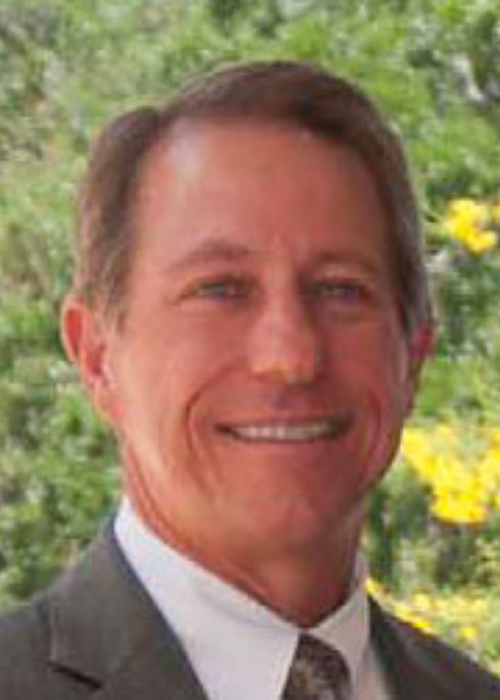
Alan Peterson, PhD
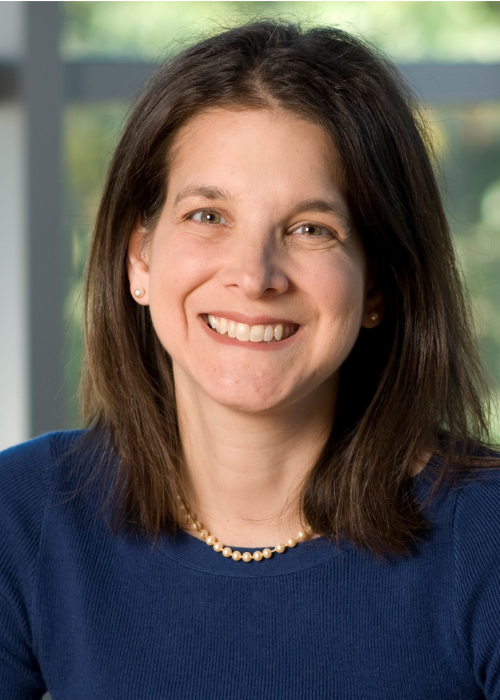
Steffany Fredman, PhD
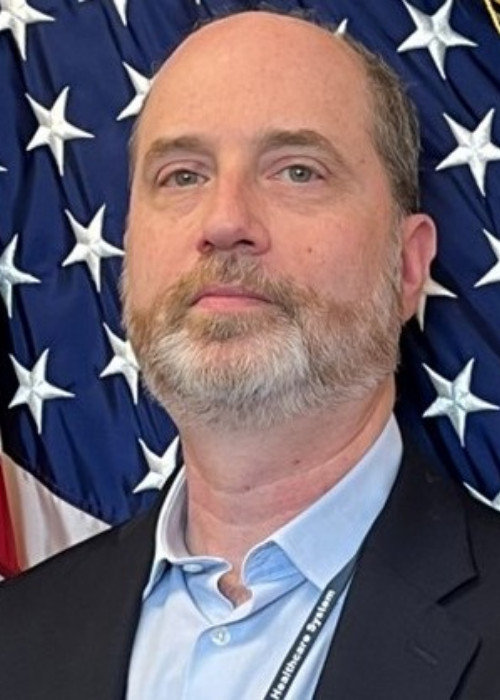
Brian Marx, PhD
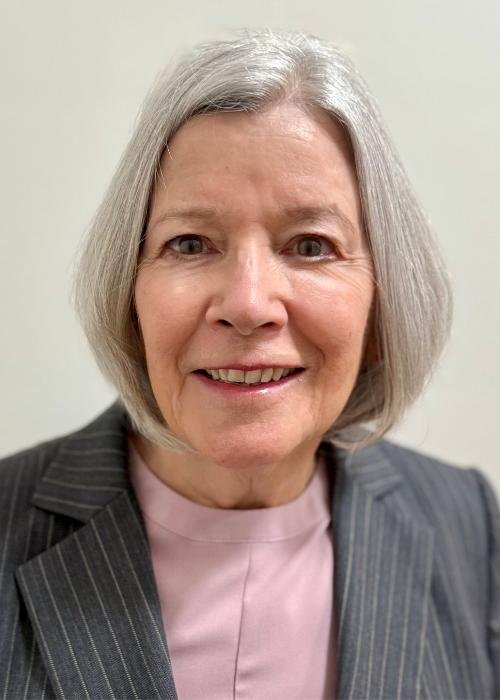
Patricia Resick, PhD
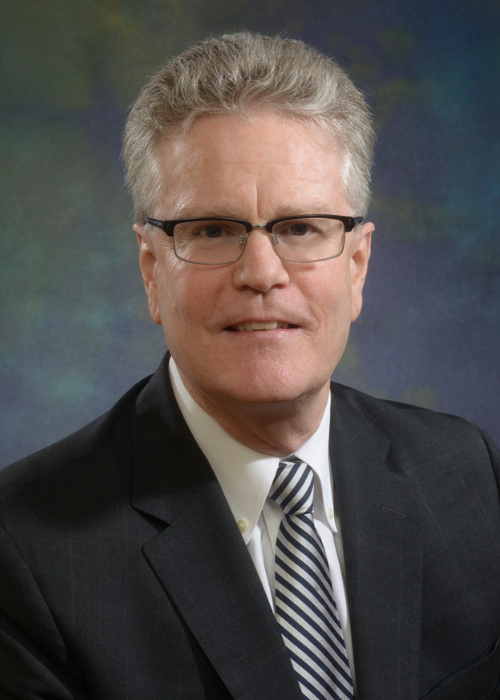
Terence Keane, PhD
Trauma Leadership Across the Globe: Stronger Together in Troubled Times
Friday, September 25, 2026
11:00 AM - 12:15 PM
In a world shaped by ongoing violence and increasing natural and technological disasters, the need for traumatic stress leadership to help coordinate, evidence-informed responses continues to grow. For many decades, ISTSS has partnered with national and regional affiliate societies, serving as a hub for the global advancement and exchange of knowledge on traumatic stress. Affiliate societies play a critical role in research, clinical practice, policy, and education, as well as leading the response to local, national, and regional challenges. This panel brings together representatives from ISTSS and affiliate societies from around the world to explore how traumatic stress leadership is cultivated across diverse global contexts and how we are stronger together. Panelists will share examples of recent and current research, policies, and initiatives of their professional societies aimed at addressing the needs of trauma affected populations in these challenging times. The discussion will emphasize interdisciplinary approaches, the impact of continuous and large-scale trauma, and strategies for building capacity within and across communities to strengthen national, regional, and global access and outcomes.
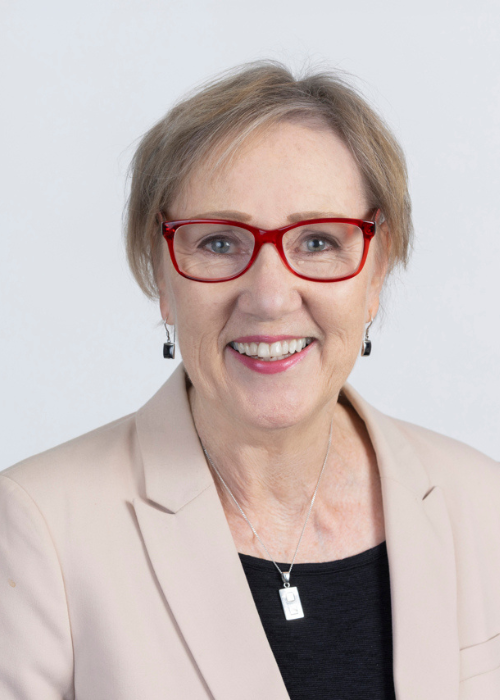
Andrea Phelps, PhD
Michelle Lonergan, PhD
Professor Dominic Murphy
Sho Takahashi, MD
Max Loomes
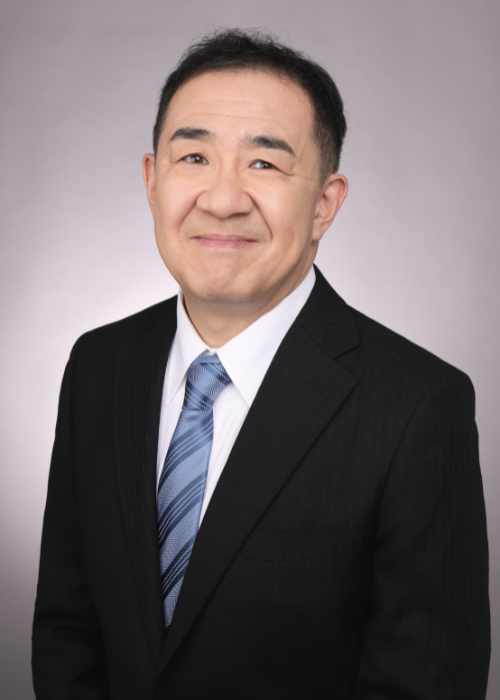
Jun Shigemura, MD
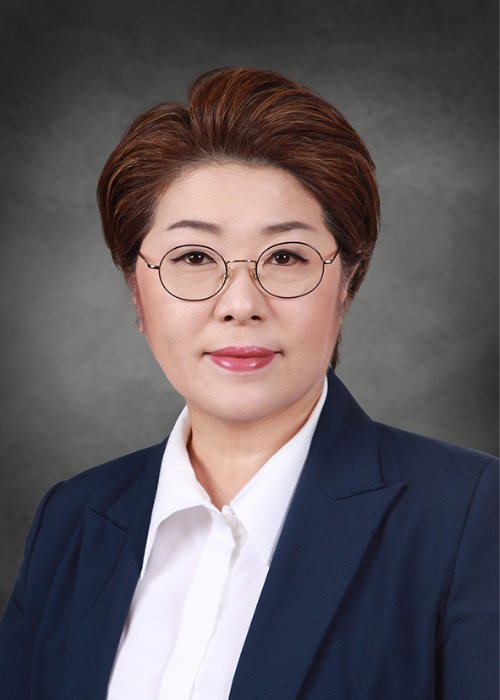
Jinhee Hyun, PhD
ISTSS PTSD Treatment Guidelines
The current update of the ISTSS PTSD Treatment Guidelines heralds a bold new approach to guideline development, dissemination and implementation. Members of the Guideline Development Group will describe the features that make these guidelines distinctive: synthesising key datasets from existing PTSD guidelines across countries; applying advanced network‑analysis methodologies; genuinely co‑developing recommendations with people with lived experience; and prioritising global implementation relevance through a range of mechanisms including early engagement with ISTSS affiliate societies to ensure wide relevance, reach and practical applicability. The panel will outline the scope of the Guidelines, set out the key questions to be addressed and present preliminary data analyses. It will also highlight implementation challenges and invite attendees to share perspectives on global opportunities, barriers and enablers of implementation.
Friday, September 25, 2026
1:45 PM - 3:00 PM
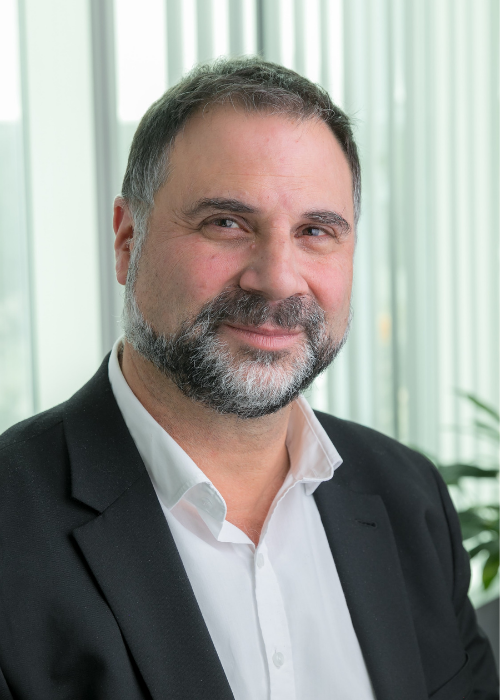
David Forbes, PhD
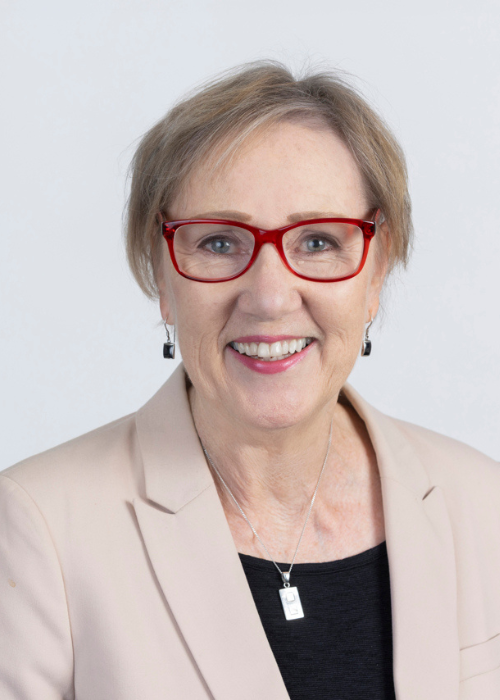
Andrea Phelps, PhD
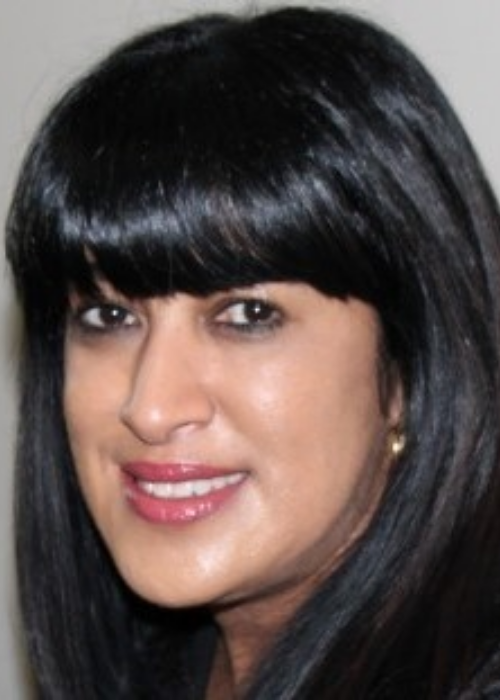
Soraya Seedat, MD, PhD
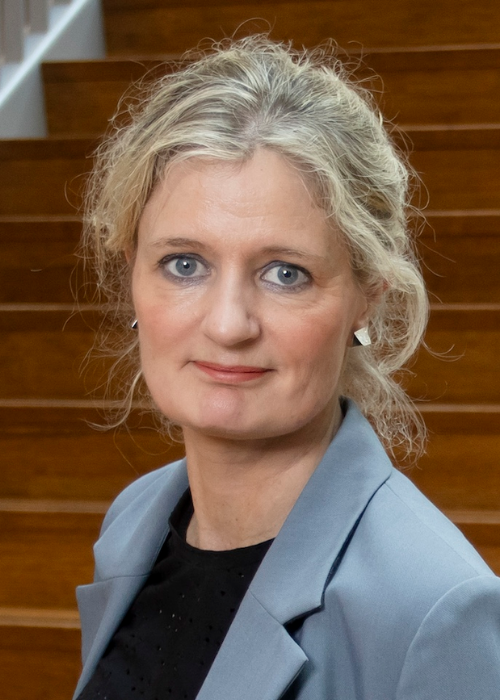
Marit Sijbrandij, PhD
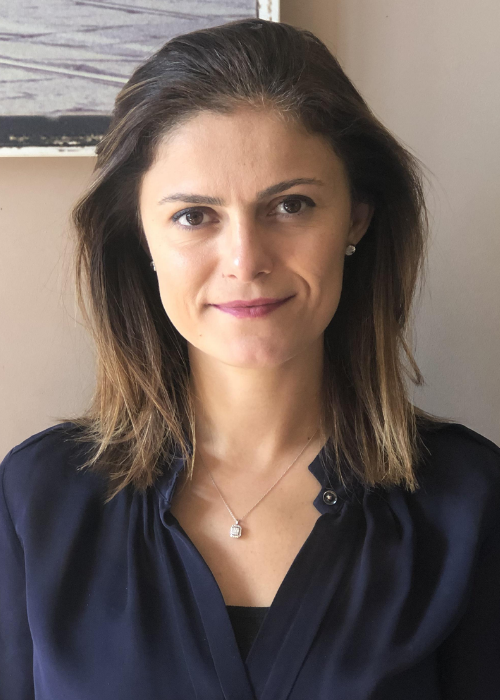
Ceren Acartürk
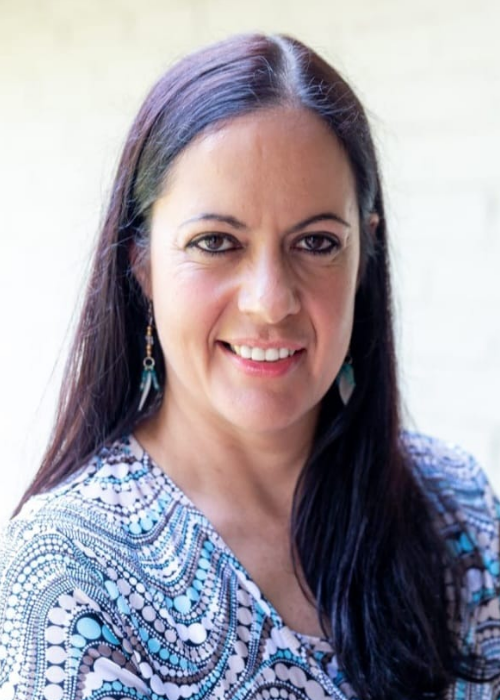
Sandra Ferreira
Featured Sessions
Collaborating on Evidence and Action: Stepped-Care Interventions for Trauma-Affected Professionals Under Ongoing Mass Violence
While trauma interventions are well established in post-disaster settings, far less guidance exists for supporting professionals working under ongoing mass violence. Journalists and other civil actors (human rights defenders, civil activists, and first responders) face chronic threat exposure, moral stressors, and continuous traumatic stress (CTS). Evidence-informed, scalable, context-sensitive care models are urgently needed. This workshop shares lessons learned from developing and evaluating stepped-care, transdiagnostic mental health services (face-to-face and digital) for journalists and other civil actors in countries affected by war and political violence. We present empirical findings from mixed-method studies defining intervention needs under chronic threat among Georgian civil activists (n=15 qualitative; n=100 quantitative); Georgian journalists covering protests (n=15; n=100); and Ukrainian journalists covering war (n=15; n=100). Quantitative measurement tools include: CTSR, MIOS, MBI, GAD-7, PHQ-9, and PCL-5. Presenters describe the development of support services, including cross-national digital delivery, with effectiveness data (GAD-7, PHQ-9, WHO-5, EQ-5D-5L VAS pre-, post-, and 3-month follow-up), implementation barriers, staff training, and scalability. The workshop is interactive and practice-oriented, using case discussion and small-group adaptation exercises. Participants will be able to distinguish continuous traumatic stress-related mental health needs from post-event responses, apply stepped-care strategies, and evaluate implementation.
Thursday, September 24, 2026
8:00 AM - 9:15 AM
Jana Javakhishvili, Prof, PhD
Gavin Rees, MA
Elana Newman, PhD
Bruce Shapiro
Moral Injury in a Troubled World:
Research and Observations Across Diverse Countries and Cultures
Moral injury refers to cognitive, behavioral, social, moral, and spiritual disruption that can result from experiences where one acts, fails to act, or witnesses events that go against deeply held values and can impair functioning in daily life. Early moral injury research focused primarily on military and veteran populations in North America and Europe. The concept has resonated with clinicians and investigators working with high-risk populations in other parts of the world, as evidenced by the many studies that are underway. These studies are positioned to greatly inform our understanding of the variability in the unique ways moral injury may be experienced across different countries and cultures. This panel will include clinicians and investigators researching moral injury in Peru, South Korea, and with refugees from the Middle East and Africa living in Indonesia. Panelists will share what drew their attention to moral injury in the populations they are studying and share observations about culturally specific facets of moral injury; specifically, lessons learned from studying moral injury globally. Panelists will speak to the types of morally injurious experiences they see, prominent symptom presentations, and measurement and disclosure issues. Implications for operationalizing moral injury in a global context and an agenda for future research will be discussed.
Thursday, September 24, 2026
3:15 PM - 4:30 PM
Sonya Norman, PhD
Jinhee Hyun, PhD
Angela Nickerson, PhD
Adrián Arévalo, MD
Shira Maguen, PhD
Bridging the Gap: Evidence-Based Brief Interventions for Trauma Survivors in Resource-Limited Environments
Objectives: This workshop addresses the treatment gap for underserved populations by presenting evidence-based brief interventions tailored for resource-limited settings. Focusing on work in Ethiopia and the USA, we aim to provide participants with scalable clinical strategies to address high trauma burdens in settings with limited infrastructure and significant socioeconomic barriers.
Friday, September 25, 2026
8:00 AM - 9:15 AM
Waganesh Zeleke, PhD
Courtney Holmes, PhD
Addressing Traumatic Exposure and Reactions Among Content Moderators:
Recommendations for Policy Makers, Workplaces, Mental Health Clinicians, and the General Public
Billions of photos and videos are uploaded to social media and streaming sites each year, with some material depicting murders, suicides, physical and sexual violence, child sexual abuse, animal cruelty and other forms of serious harm. This has created the need for a global workforce of content moderators whose jobs may involve repetitive, frequent exposure to this potentially traumatic digital content. The risks and potential consequences of such exposure require a broad public health response that recognizes the responsibilities of platforms, employers, policymakers, clinicians and wider society. The ISTSS Public Health and Policy Committee is publishing four briefs relevant to addressing traumatic exposure and reactions among content moderators. Together, these briefs take an eco-systemic approach to equip key stakeholders (policy makers, workplaces, mental health professionals, and the general public) to contribute in a meaningful way to improve outcomes for content moderators. The briefs were developed by Jeffrey DeMarco, Patricia Watson, and Sonya Norman with input from content moderators. The panel will give an overview and discuss needs, challenges, opportunities, and next steps. Rachel Hiller, Chair of the ISTSS Public Health and Policy Committee, will introduce the panel, and Lori Zoellner will serve as moderator and discussant.
Friday, September 25, 2026
3:15 PM - 4:30 PM
Lori Zoellner, PhD
Jeffrey DeMarco, PhD
Patricia Watson, PhD
Sonya Norman, PhD
Rachel Hiller, PhD
Pathways to Precision Medicine in Trauma and PTSD
Describe several types of study designs and methodological approaches that serve as different pathways moving towards the goal of advancing precision medicine
Saturday, September 26, 2026
8:00 AM - 9:15 AM
Stephanie DeCross, PhD
Suzanne Pineles, PhD
Terrell Hicks, PhD
Adam Cobb, MA, PhD
Paul Holtzheimer, MD
Saturday, September 26, 2026
11:00 AM - 12:15 PM
When the Threat Is Real: Rethinking Evidence-Based Trauma Treatment in Contexts of Ongoing Crisis
Chronic exposure to political violence, displacement, natural disasters, and structural instability has led to increases in anxiety, depression, traumatic stress, and suicide risk globally. For many communities, threat is not a single event; it is ongoing and embedded in daily life. Yet most evidence-based treatments (EBTs) for trauma and anxiety were developed in contexts where feared outcomes are improbable or tolerable, creating tensions when danger remains real. This panel brings together a training director of a refugee mental health program, global mental health experts, clinicians, asylum evaluators, and implementation-focused researchers to examine how trauma-focused EBTs can be ethically adapted when danger persists. Panelists will draw from community-based partnerships, global dissemination of CPT, asylum evaluation practice, and collective resilience initiatives in chronically traumatized communities. We will present clinically grounded strategies for delivering trauma-informed care during ongoing crises. Panelists will address how to distinguish adaptive vigilance from maladaptive avoidance, recalibrate treatment goals beyond symptom reduction toward regulation and agency, and integrate social and cultural context into case formulation. Through applied case discussion, participants will strengthen their ability to deliver trauma care that respects lived reality while preserving therapeutic rigor and fostering resilience amid persistent instability.
Phyupannu Khin, PhD
Karen Fondacaro, PhD
Katherine Van Stolk-Cooke, PhD
Praise Iyiewuare, PhD, MPH
John Moring, PhD
Dr. Hyun is a Professor at Department of Social Welfare in Daegu University in Korea. She was the president of Korean Society for Traumatic Stress Studies (KSTSS) during 2020-2021. She is also a president of Korean Academy of Mental Health Social Work in 2023. She worked as a clinical social worker at US Army Hospital in Korea. Her primary responsibility was to provide psychotherapy for soldiers with PTSD, and victims of sexual assault, family violence, and child abuse. She is the head of the counseling team of Gyeongbuk Fire Service Headquarters. Her research and clinical interests focus on disaster mental health, vicarious trauma, trauma-informed care, and evidence-based practice in trauma fields. She provided resiliency program for mental health professionals and made voice on the mental health policies and systems as a member of advisory committees at central and local governments in Korea.
Jun Shigemura, M.D., Ph.D., is a psychiatrist and a professor in the Faculty of Health Sciences at Mejiro University in Saitama, Japan. His research focuses on the mental health of disaster workers, such as the nuclear plant workers following the Fukushima nuclear plant accident. Dr. Shigemura was a former President and International Committee Chair of the Japanese Society for Traumatic Stress Studies.
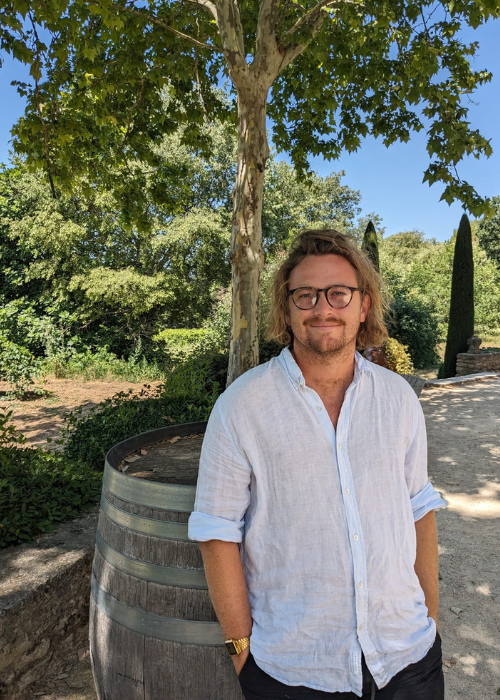
Max Loomes is the current president of ASTSS, starting his term in 2025. He represents the society in various international forums and consortia, including the Global Collaboration on Traumatic Stress (GCTS), International Society for Traumatic Stress Studies (ISTSS), and the European Network of Traumatic Stress (TENTS). Max is currently a clinical psychologist registrar, PhD candidate, and researcher at various institutions. His clinical and research experience in the field of trauma primarily focuses on occupational trauma and moral injury; however has extended to refugee populations and experiences of iatrogenic harm.
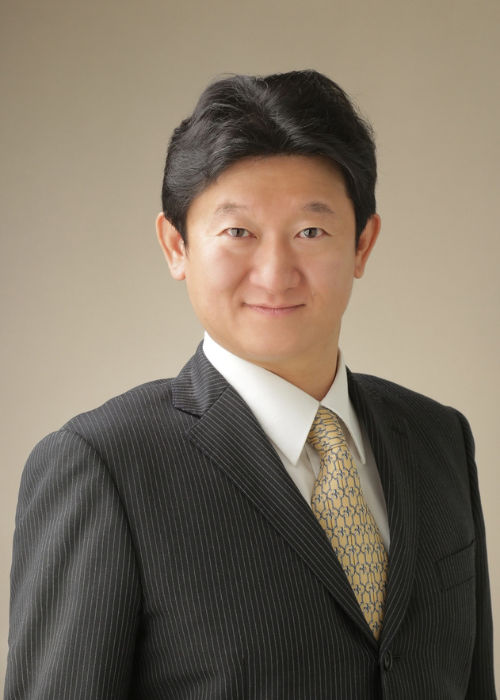
Dr.Sho Takahashi, MD,PhD Postion ・Professor, Department of Disaster and Community Psychiatry, Ibaraki Prefectural Medical Research Center of Disaster and Community Psychiatry, University of Tsukuba Hospital, University of Tsukuba, Japan. Dr. Takahashi is a Professor of the University of Tsukuba, department of Disaster and Community Psychiatry,University of Tsukuba Hospital, University of Tsukuba. He had been dispatched to the Kumamoto earthquake relief mission in 2016 as a team member of Disaster Psychiatric Assistance Team (DPAT) and a chief of the local mental health headquarter. He had an experience as a mental health supervisor at Joso flood in 2015, he supervised the mental health support program for the Joso Flood victims and has continued follow-up mental health support for local municipality staff and the volunteers and community members who had supported the affected area. He has been involved in disaster relief efforts for numerous incidents, including the response to the COVID-19 pandemic on the Diamond Princess in 2020, the 2024 Noto Peninsula Earthquake, and the 2026 Kumamoto Earthquake. He is a member of a disaster relief commission member for The Japanese Society of Psychiatry and Neurology (JSPN), Japanese Society for Traumatic Stress Studies (JSTSS) and Japanese Society of General Hospital Psychiatry(JSGHP). He also belongs to Ibaraki Prefectural Medical Center of Psychiatry as a disaster support manager in Ibaraki prefecture. He is manager and supervisor of Ibaraki prefecture’s DPAT. His specialties include disaster psychiatry, dementia, geriatric psychiatry, consultation/liaison psychiatry, occupational mental health, public mental health, psychosomatic medicine, and oriental medicine(herbal medicine, Kampo).
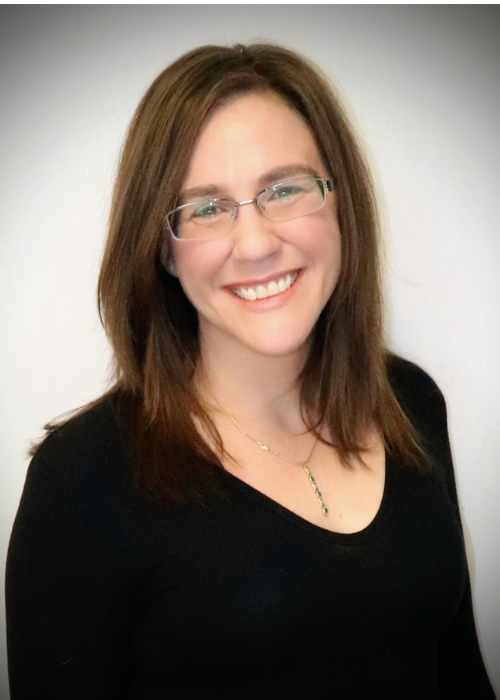
Michelle Lonergan holds a Ph.D. from McGill University’s Department of Psychiatry and completed postdoctoral training in the School of Psychology at the University of Ottawa. She is currently the Scientific Assistant to the Directorate of the Montreal Mental Health University Institute Research Center, a Research Associate in the Department of Psychiatry and Addictology at Université de Montréal, and an Academic Affiliate in the School of Psychology at the University of Ottawa. Her research interests concern the neurobiological, psychological, and relational processes underlying adjustment to trauma and stressors experienced within couple relationships. She also studies the etiology, clinical presentation, and treatment of posttraumatic stress disorder and adjustment disorder.
Richard Bryant is Scientia Professor of UNSW Sydney and Director of the Traumatic Stress Clinic. He is a world authority in PTSD. He has developed novel assessment and treatment programs for people with PTSD These protocols are used globally for early interventions after psychological trauma, been translated into over 15 languages, and are used in many countries. Professor Bryant has been widely recognised for the innovation and impact of his work. He has written 6 books, 80 book chapters, and 870 journal articles. He is an ISI Highly Cited Researcher.
I completed a Master’s in Clinical Psychology at the University of Freiburg, Germany, and earned my PhD at King’s College London, where my research focused on identifying who is most at risk of developing serious psychological difficulties after trauma and, crucially, predicting this at a very early stage to enable timely, personalized interventions. I am a trained and board-certified CBT therapist, with additional training in Cognitive Therapy for PTSD and Narrative Exposure Therapy. Beyond my research and clinical practice, I direct a certified Diploma of Advanced Studies (DAS) program in evidence-based trauma treatment, equipping mental health professionals with the latest skills in trauma-focused interventions. Additionally, I head the Medical Faculty’s ethics committee at my university. Currently, I serve as Full Professor and Chair of Experimental Psychopathology and Psychotherapy at the University of Zurich, Switzerland.
I am a psychologist and researcher working at the intersection of trauma, technology and child protection. My career has focused on how harm is experienced and amplified in digital spaces, particularly for children, young people and traumatically exposed workforces. I have worked across academia, applied research, policy and practice, supporting government, law enforcement, NGOs and the technology sector on online harms, child sexual exploitation and abuse and trauma-informed responses. My current work includes a strong focus on the wellbeing of content moderators and Trust and Safety professionals exposed to harmful online material. I support evidence-informed approaches to psychological safety, safer workflows, leadership culture, exposure management and organisational responsibility. I also lead and contribute to Save the Children’s partnership with Vodafone Foundation, including the SMILE framework, which helps children build digital resilience through data security, information management, digital identity, digital literacy and digital empathy.
Jane Kim is a Clinical Associate Professor at Stanford University School of Medicine in the Department of Psychiatry and Behavioral Sciences. She applies her training in statistics to examine data-driven approaches to address ethical questions in AI for mental health applications.
Dr. Debra Kaysen is a clinical psychologist, researcher, and professor whose work has significantly advanced the understanding and treatment of trauma-related mental health conditions. She serves as Professor of Psychiatry and Behavioral Sciences and Chief of the Division of Public Mental Health and Population Sciences at Stanford Medicine. hose work has focused on advancing evidence-based care for individuals affected by trauma, posttraumatic stress disorder (PTSD), and co-occurring behavioral health concerns. Her research centers on understanding the impact of trauma across diverse populations and developing innovative approaches to ensure that effective treatments reach those who need them most, including how best to use new and old technologies to increase access to care. A central theme of Dr. Kaysen's work is reducing the gap between what is known to be effective in trauma treatment and what is available in real-world settings. Through collaborations with healthcare systems, community organizations, and international partners, she has led research aimed at adapting, implementing, and scaling evidence-based interventions for trauma survivors across a wide range of cultural and resource contexts. Her work has examined strategies for delivering trauma-focused care in underserved communities, integrating technology to expand access, and supporting sustainable implementation of effective treatments beyond specialty mental health settings. Her work reflects a commitment to translating scientific advances into practical solutions that improve outcomes for trauma survivors and strengthen community capacity to respond to traumatic stress. A former president of the International Society for Traumatic Stress Studies, and the recipient of the ISTSS Allwood Award for Excellence in Trauma Services for the Underserved, Dr. Kaysen has authored over 200 scholarly publications and received funding from major agencies, including the National Institutes of Health, the Department of Defense, and USAID.
Mary-Frances O’Connor, PhD, is an Associate Professor at the University of Arizona Department of Psychology, where she directs the Grief, Loss and Social Stress (GLASS) Lab. She earned a PhD in clinical psychology from the University of Arizona in 2004 and following a faculty appointment at UCLA Cousins Center for Psychoneuroimmunology, she returned to the University of Arizona in 2012. She served for three years as Director of Clinical Training in the Psychology Department. Her research program focuses on the wide-ranging emotional responses to bereavement. In particular, she investigates the neurobiological and psychophysiological aspects that vary between individual grief responses via functional neuroimaging, immune, and endocrine analysis. Exclusively represented by BrightSight Speakers, Dr. O’Connor also researches difficulties adapting following the death of a loved one, termed prolonged grief (newly included in the revised DSM-5). She believes that a clinical science approach toward the experience and physiology of grief can improve psychological treatment. Dr. O’Connor’s book, The Grieving Brain: The Surprising Science of How We Learn from Love and Loss (2022; HarperOne) has garnered praise from peers and literary critics alike and has led to speaking engagements around the world. She wrote a follow-up called The Grieving Body: How the Stress of Loss Can Be an Opportunity for Healing (2025).
In addition to her outstanding record of scholarship, Dr. O’Connor is a highly proficient and beloved teacher and mentor, honored with the Undergraduate Biology Research Program (UBRP) “Outstanding Mentor Award” in 2014. In 2020, she organized an international multidisciplinary research group called the Neurobiology of Grief International Network (NOGIN). Under her leadership, the group has held three international conferences supported by the National Institute on Aging. Dr. O’Connor is a highly sought-after speaker, giving numerous talks and workshops to community organizations around the world, including in-service trainings to healthcare professionals and volunteers at hospices. She has authored research papers published in a wide range of peer-reviewed journals, from American Journal of Psychiatry to NeuroImage to Journal of Consulting and Clinical Psychology. Dr. O’Connor’s work has been discussed in the New York Times, The Guardian, Washington Post, and Scientific American.
Mary-Frances is represented exclusively by the BrightSight Group
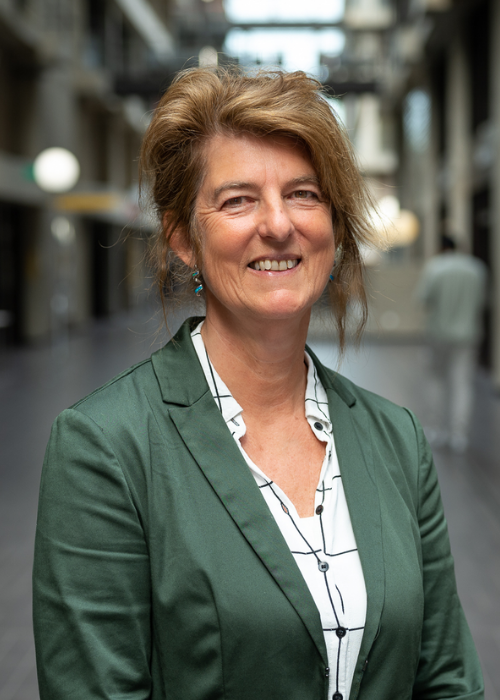
Prof. Dr. Miranda Olff, is professor in the field of psychotrauma. Her research focuses on transdiagnostic responses to traumatic events, and the prevention and treatment of adverse consequences, including posttraumatic stress disorder (PTSD), around the world. Miranda Olff is leading the Centre for Psychological Trauma at the department of Psychiatry at the Amsterdam UMC (AMC) of the University of Amsterdam and is Director of Research at the ARQ National Psychotrauma Centre (ARQ). Miranda Olff is chair of the Global Collaboration on Traumatic Stress, a collaborative of traumatic stress societies who joined forces to tackle traumatic stress topics of global importance. Miranda Olff is founding Editor-in-Chief of the European Journal of Psychotraumatology (EJPT), an Open Access journal owned by the European Society for Traumatic Stress Studies (ESTSS), launched when she was president of ESTSS. Miranda is a past president of the International Society for Traumatic Stress Studies (ISTSS). She has been trained in Corporate Governance and has several committee/advisory board positions (e.g. MH17 disaster foundation). ESTSS awarded her with the Wolter the Loos Life time achievement award. In 2025 she received an Honorary Doctorate from Mid Sweden University. Publications can be found here: http://orcid.org/0000-0003-1016-9515, LinkedIn: Miranda Olff
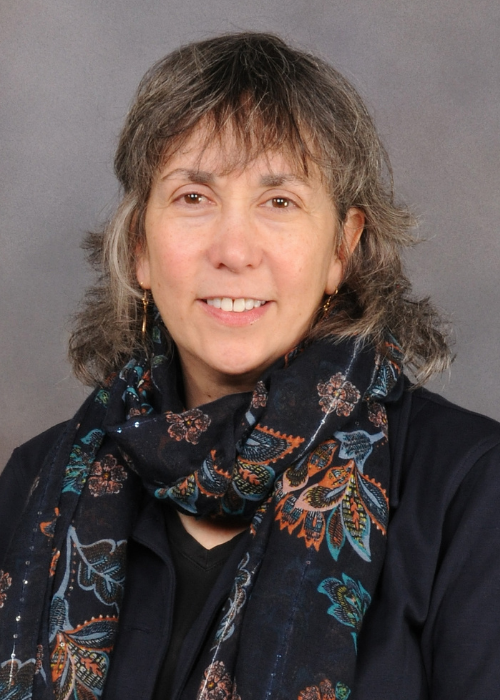
Amy Adler, PhD, is a clinical psychologist and the senior scientist with the Center for Military Psychiatry and Neuroscience at the Walter Reed Army Institute of Research (WRAIR). In her role at WRAIR, Dr. Adler has led the development and evaluation of training material supporting mental health and resilience in military units, resulting in training products that have been implemented in the U.S. and internationally. She has authored more than 200 articles and edited seven books, including Anger at Work (2021) and Deployment Psychology (2011). Dr. Adler’s current research focuses on easily fielded emotion regulation techniques for high-stakes environments. Her emphasis is on adapting these critical mental skills into accessible, user-friendly formats to optimize the mental health and performance of service members.
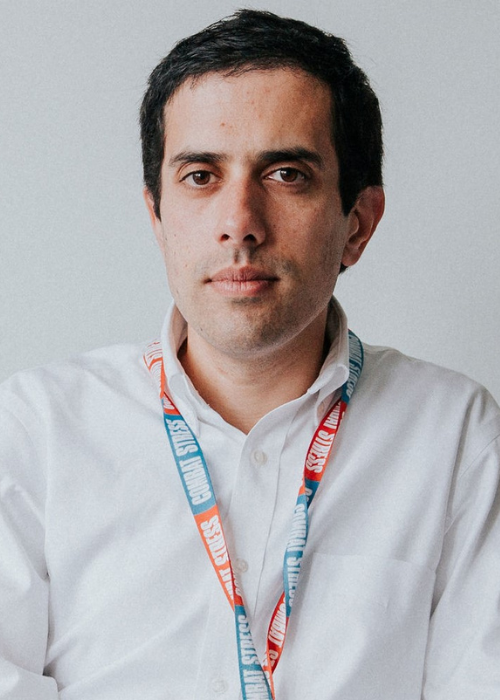
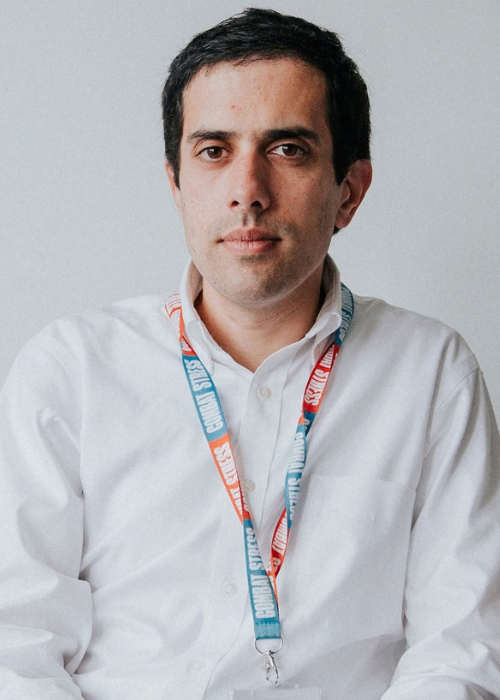
Dominic Murphy, MA, PhD, (Professor Murphy) is an academic consultant clinical psychologist and has worked within the field of PTSD and military mental health since 2003. He has completed both a PhD in Health Psychology and a Doctorate in Clinical Psychology. He is an expert in the field of psychological trauma and has extensive experience of caring for, and conducting research with, traumatised populations. Dominic leads the Combat Stress Centre for Applied Military Health Research, is the President of the European Society for Traumatic Stress Studies, past president of the UK Psychological Trauma Society, co-Director of the KCMHR at King’s College London and a trustee and director of the Forces in Mind Trust. Dominic has focused on translational research to improve the outcomes for those affected by psychological trauma and is widely published with over 250 scientific papers and reports.
David Pedlar, PhD, is a Senior Scientist, University of Ottawa at The Institute for Mental Health Research at the Royal Hospital, Adjunct Professor, School of Psychology, University of Ottawa Professor Emeritus, School of Rehabilitation Therapy, Queen’s University. He was Research Director of the Canadian VA 2002-2017, Scientific Director and Professor of the Canadian Institute for Military and Veterans Health Research at Queens University 2018-2024, and currently a senior researcher and advisor of projects underway in Canada and Ukraine. In 2018, he co-founded and continues to co-lead the Mental Health Research and Innovation Collaboration (MHRIC), an international consortium spanning the Five Eyes nations focused on military and veteran mental health. This collaboration advances mental health research to support evidence-based policies and practices that enhance the wellbeing of military personnel, veterans, and their families. The consortiums work has resulted in policy impacts and publications in leading scientific journals. Since 2024, in response to ongoing threat assessments that foresee a high risk that Canada and ally nations will be engaged in high intensity Large Scale Combat Operations (LSCO), he has co led two large scale provincial and national war game tabletop exercises - “Exercise Trillium Cura” and “Exercise Canada Paratus” - to stress test the capacity of the Canadian military and civilian health care systems to co-manage a sustained high flow of physical and mental battle casualties.
Nicole Sadler, PhD, is a Clinical Psychologist and Chief Executive Officer of Phoenix Australia – Centre for Posttraumatic Mental Health, and an Enterprise Professor within the Department of Psychiatry, University of Melbourne. For over three decades Nicole has worked with military members, veterans, emergency service workers, judiciary and frontline health care professionals, and communities impacted by large scale events. She is an expert in trauma-related mental health and wellbeing, suicide, and disaster mental health. Prior to joining Phoenix Australia in 2017, she served in the full-time Army for over 20 years and completed her career in the senior Army psychology position. She continues to serve in the Army Reserves at the rank of Brigadier as the Principal Consultant - Mental Health.
Paula Schnurr, PhD, is a psychologist who is Executive Director of the National Center for Posttraumatic Stress Disorder in the Department of Veterans Affairs Office of Mental Health. She previously served as the Center’s Deputy Executive Director, beginning in 1989 as one of the Center’s founders. She is a Professor of Psychiatry at the Geisel School of Medicine at Dartmouth and is Editor-in-Chief of the Clinician’s Trauma Update–Online. Dr. Schnurr is Past-President of the International Society for Traumatic Stress Studies, and former Editor-in-Chief of the Journal of Traumatic Stress. She is a fellow of the American Psychological Association. Her research focuses PTSD treatment, including psychotherapy and psychedelic-assisted psychotherapy, and on risk and resilience factors associated with the long-term physical and mental health outcomes of traumatic exposure.
Alan L. Peterson, PhD, ABPP, is a Professor and the Chief of the Division of Behavioral Medicine in the Department of Psychiatry and Behavioral Sciences at the University of Texas at San Antonio Long School of Medicine. He is also the Director of the South Texas Research Organizational Network Guiding Studies on Trauma and Resilience (STRONG STAR Consortium) and a Professor in the Department of Psychology at the University of Texas at San Antonio. STRONG STAR includes over 150 research collaborators and 50 institutions worldwide. Over the past 18 years, STRONG STAR investigators have collectively secured more than $250 million in research funding to support over 120 projects. Dr. Peterson retired from the U.S. Air Force in 2005 after 21 years of active duty service including deployments in support of Operations Noble Eagle, Enduring Freedom, and Iraqi Freedom. He has clinical and research expertise in the areas of behavioral medicine, psychological trauma, and resiliency. He has published 9 books, more than 425 scientific manuscripts, and given over 700 presentations and invited addresses at national and international meetings.
Dr. Steffany Fredman is an Associate Professor of Human Development and Family Studies and Psychology at The Pennsylvania State University and a licensed clinical psychologist. Dr. Fredman conducts research on posttraumatic stress disorder (PTSD) and related conditions within a couple/family context, including ways that partner involvement in treatment optimizes outcomes for individuals with PTSD and their loved ones. Her work has been funded by the National Institutes of Health, Department of Defense, and Department of Veterans Affairs. Dr. Fredman is the co-developer of cognitive-behavioral conjoint therapy for PTSD (CBCT for PTSD; Monson & Fredman, 2012), a couple-based treatment for PTSD that has been tested in community, veteran, and active duty military populations. Dr. Fredman is also the lead developer of the Significant Others’ Responses to Trauma Scale (SORTS), a widely used measure of partner accommodation of patient PTSD symptoms.
Dr. Marx is the Deputy Director of and Senior Psychologist Clinician Investigator in the Behavioral Science Division of the National Center for PTSD and corresponding PI for the VA CSRD side of the Suicide Prevention Research Impact Network (SPRINT). He is also a Professor in the Department of Psychiatry at Boston University Chobanian and Avedisian School of Medicine. He is currently the PI/Co-PI/Site PI of three federally funded studies focused on testing the efficacy of treatments for PTSD, PTSD and comorbid suicidal thoughts and behaviors, or examining the course of PTSD, suicidal thoughts and behaviors, and other comorbid conditions within the context of a simulated clinical trial. Other ongoing research continues to use data collected other studies previously funded by VA and DoD to examine risk factors for suicidality, development and testing of new measures of psychopathology and functioning, neurocognitive correlates and predictors of PTSD and suicidality, and understanding moderators and predictors of treatment outcomes among Veterans and Service Members. He is the lead author on the Inventory of Psychosocial Functioning and co-author of all the most commonly used measures of PTSD diagnostic status and symptom severity and regularly conduct research on the best methods to assess PTSD and symptom change. Dr. Marx's research program has translated NCPTSD and VA’s national research goals and priorities into specific scientific project activities of significant complexity and sufficient sustainability.
Patricia A. Resick, PhD, ABPP, is Professor Emeritus of Psychiatry and Behavioral Sciences at Duke University Medical Center and Adjunct Professor, Medical University of South Carolina. Dr. Resick’s specialty is in understanding and treating the effects of traumatic events, particularly posttraumatic stress disorder (PTSD). In 1988, she developed Cognitive Processing Therapy (CPT) for PTSD, a short evidence-based treatment and has overseen multiple clinical trials. The treatment manual for CPT has been translated into 12 languages and has been formally disseminated throughout the VA in the US, Canada and Australia, and now the Democratic Republic of Congo. CPT is considered a first line therapy for PTSD. Dr. Resick’s research was continuously funded for 40 years; she has published almost 400 articles and chapters and 12 books on PTSD including the self-help book “Getting Unstuck from PTSD: Using Cognitive Processing Therapy to Guide Your Recovery” and a second edition of the best-selling treatment manual “Cognitive Processing Therapy for PTSD: A Comprehensive Therapist Manual”. She served as the President of both the International Society for Traumatic Stress Studies and the Association for Cognitive and Behavioral Therapies. She has won research and mentoring awards as well as Lifetime Achievement Awards from the Trauma Division (56) of the American Psychological Association, the International Society for Traumatic Stress Studies and the Association for Behavioral and Cognitive Therapies.
Terence M. Keane, PhD, is Professor of Psychiatry (Clinical Psychology) and Assistant Dean for VA Research at Boston University; for the past twenty-five years Keane has served as the Associate Chief of Staff for Research & Development at VA Boston Healthcare System, the largest research program in all of VA. Since 1989, he’s directed the National Center for Posttraumatic Stress Disorder (PTSD)-Behavioral Science Division a program with a strong focus on assessment, psychological treatment development, and the genetic underpinnings of this condition. With many colleagues and trainees, Dr. Keane has published some 450 articles, books, and chapters on the assessment and treatment of PTSD. For the past 46 consecutive years his program of trauma research has been supported by federal funding agencies, such as VA, NIH, DoD, and SAMHSA. In 2013, Keane was named the Co-Principal Investigator of the Consortium to Alleviate PTSD, an initiative supported by the Department of Veterans Affairs and the Department of Defense to improve the care of both active-duty military and combat veterans with PTSD through the conduct of multi-site clinical trials of psychotherapy and medications in these populations. Over the years, his contributions to the field have been recognized by many national and international honors including the 2013 Distinguished Research Contributions to Clinical Psychology Award from APA’s Society of Clinical Psychology and a similar award from the Canadian Psychological Association in 2015. In 2011, Dr. Keane received two honorary doctorates for “his major role in opening the field of psychological trauma to scientific inquiry”. In 2015 he was named the recipient of the John Blair Barnwell Award from the Department of Veterans Affairs, the highest national award for those engaged in Clinical Research. In terms of national and international leadership, Keane has served as President of multiple professional societies over the course of his career. His commitment to education and training future generations of investigators is exemplified in his role as Program Director for a NIMH funded T-32 training program for thirty years.
Dr David Forbes, AO, PhD, is the Academic Director, Maudsley Health, UAE, joining in July 2024. Prior to this Dr Forbes was for the Director of Phoenix Australia – Centre for Posttraumatic Mental Health at the Department of Psychiatry, University of Melbourne. Dr Forbes retains an honorary Professorship at the Department of Psychiatry, University of Melbourne. He is a clinical psychologist and international expert in the area of traumatic stress, with over 30 years’ experience, in the assessment and treatment of mental health problems in trauma survivors, with a specialty in disaster, military, veteran and first responder mental health. He was recently awarded recognition as an Officer of the Order of Australia (AO) for “distinguished service to mental health research and practice, to academia and to the prevention and treatment of PTSD”. Dr Forbes has published over 270 peer-reviewed articles and book chapters, and lead-edited the ISTSS 3rd Edition of the Effective Treatments for PTSD, as is Chair of the current ISTSS PTSD Guidelines Committee. He has also been a longstanding member of many Australian government expert advisory committees for the Departments of Veterans Affairs, Defence and Home Affairs, and sat on international panels including NATO panels for Implementing Personalized Psychiatry in Military Personnel. Dr Forbes is committed to improving outcomes for people impacted by adverse events and sychological trauma through advancing the science in the field and the translation of this research into effective and internationally culturally appropriate policy and practice.
Andrea J. Phelps is the Deputy Director of Phoenix Australia, Australia’s national centre of excellence in posttraumatic mental health based at the University of Melbourne. There they combine clinical work, supervision and training with innovative research and consultation to government and industry on trauma related policy and strategy. As the Deputy Director her responsibilities include strategic oversight of the Centre’s activities across research, service development and training; strategic planning and setting future directions; and leadership of flagship projects such as the NHMRC approved Australian Guidelines for the Treatment of PTSD which helped shape the process for the ISTSS PTSD Guidelines. She began her career as a clinician, holding senior clinical leadership positions in general mental health and specialised trauma treatment services. This background has shaped her approach to research and consultancy, ensuring that research is clinically relevant and consultancy advice is situated within an understanding of clinical complexity.
Soraya Seedat serves as vice-chair of the ISTSS Clinical Guidelines Committee. She is Professor of Psychiatry and Executive Head of the Department of Psychiatry at Stellenbosch University (Cape Town, South Africa),. and Director of the South African Medical Research Unit on the Genomics of Brain Disorders. Her work on PTSD and anxiety disorders focuses on applying multidisciplinary, multilevel, mechanistic approaches and investigation of risk and resilience, in adolescent and adult populations, as well as evaluating treatments using task-shifting approcahes.
Marit Sijbrandij is Professor of Clinical Psychology at the Department of Clinical, Neuro- and Developmental Psychology at VU University [Vrije Universiteit], Amsterdam, the Netherlands, and Director of the World Health Organization (WHO) Collaborating Center at VU University. Marit Sijbrandij has completed multiple trials evaluating (early) psychological intervention strategies in the acute aftermath of trauma and adversities for prevention of common mental disorders including depression, anxiety and posttraumatic disorder (PTSD). She has coordinated several consortium projects, that evaluated the effectiveness of scalable task-shifting and digital interventions for people with a refugee and migrant background across countries in Europe and the Middle East. Other research involves the detection, prevalence and predictors of common mental disorders, including PTSD among trauma-affected populations.
Ceren Acartürk is an Associate Professor of Clinical Psychology at Koç University. Her research focuses on the psychological effects of trauma and adversities, common mental health disorders particularly among forcibly displaced individuals, and the effectiveness of scalable psychological interventions. Dr. Acartürk has led randomized controlled trials evaluating WHO-developed psychological interventions in refugee settings and has been actively involved in post-earthquake mental health initiatives in Türkiye.
Sandra Ferreira has been a teacher, manager, and leader in various fields, primarily in Education and Mental Health Advocacy. She holds an Honours Degree in Educational Management and is an expert by experience. Her experience spans 25 years, and she is currently the Global Network Manager for aves Mental Health (formerly GMHPN). Sandra heads up the P2P mentorship, education & empowerment unit of the GMHPN, as well as the Youth Agents for Change (YA4C) & Peer Support (Benchwarmers) units. Sandra is actively involved in various global mental health initiatives ranging from policy, research and community capacity building. Sandra’s particular area of interest and advocacy centres around Human Rights in Mental Health and anti-coercive practices in care.
Dr. Ateka Akbar Contractor is Professor and Associate Chair of Research in the Department of Psychology at University of North Texas. She is a licensed clinical psychologist in Texas. She obtained her doctoral degree in clinical psychology from University of Toledo, completed her pre-doctoral internship at Warren Alpert Medical School of Brown University, and completed her post-doctoral fellowship at the VA Boston Healthcare System; Massachusetts Veterans Epidemiology Research and Information Center. In her research, she examines the role and significance of positive memories in PTSD’s symptomatology and treatment, the role of cultural influences on PTSD’s symptomatology, transdiagnostic constructs implicated in PTSD’s comorbidity with well-being indicators, and heterogeneity in PTSD’s symptomatology and traumatic experiences. She has published more than 215 peer-reviewed published articles. Her work on positive memories and PTSD interventions has been funded by NIMH as well as by the Binational Science Foundation. She is currently the Editor-in-Chief of the Journal of Anxiety Disorders and serves on several editorial boards.
Dr. Cameron Pugach is a NIMH T32 Postdoctoral Research Fellow at the National Center for PTSD at VA Boston Healthcare System and Boston University. He received his PhD in clinical psychology from the University of North Carolina at Greensboro under the mentorship of Dr. Blair Wisco and completed his predoctoral clinical internship at the Charleston Consortium on the Traumatic Stress track. Dr. Pugach’s program of research is dedicated to improving understanding of risk and treatment of posttraumatic stress disorder (PTSD). Funded by a NIMH F31 National Research Service Award and the ISTSS Frank W. Putnam Award, a central line of his work has aimed to describe how affective processes such as emotional awareness and emotion regulation can go awry and contribute to PTSD. On postdoc, Dr. Pugach is working with mentors Drs. Brian Marx and Michelle Bovin to leverage precision medicine approaches that hold promise for improving PTSD treatment outcomes for recipients of trauma-focused treatments.
Mariel Emrich is a fifth-year Clinical Psychology PhD candidate at the University of Connecticut with clinical and research interests at the intersection of trauma and health psychology. Her research examines how individuals cope with diverse stressors and related psychological and physical health sequelae, particularly in the context of trauma, chronic pain, and serious illness. Mariel was recently awarded an NIH F31 Ruth L. Kirschstein Predoctoral Fellowship to examine joint trajectories of PTSD and pain in the early aftermath of trauma with musculoskeletal injury and identify modifiable predictors that can inform clinical intervention targets. She is also passionate about improving the efficacy, accessibility, and implementation of treatments for PTSD and related comorbidities. For instance, she is currently leading the development and pilot study of an integrated treatment for comorbid PTSD and chronic pain at Weill Cornell Medicine. Her research has been recognized with multiple awards from organizations such as the International Society for Traumatic Stress Studies (ISTSS), the Society for Behavioral Medicine (SBM), the Association for Behavioral and Cognitive Therapies (ABCT) and the American Psychological Association (APA).
Gabby Gauthier completed her Ph.D. in clinical psychology from the University of Washington, including a predoctoral psychology internship at the VA Boston Healthcare System. Her research examines how memory processes shape the development and maintenance of posttraumatic stress disorder, with a focus on intrusive memories and retrieval dynamics.
Naser Morina, PhD, is Senior Researcher and Lecturer at the University of Zurich and Head of Research and Co-Head of the Outpatient Unit for Victims of Torture and War at the University Hospital Zurich. His research focuses on global mental health, traumatic stress, and the implementation of scalable psychological interventions for populations affected by conflict, displacement, and other adversities. He has extensive experience developing, evaluating, and scaling evidence-based mental health and psychosocial support (MHPSS) interventions in humanitarian and routine care settings. He is the principal investigator of several international implementation studies and randomized controlled trials, including the SPIRIT implementation program in Switzerland.
Marit Sijbrandij is Professor of Clinical Psychology at the Department of Clinical, Neuro- and Developmental Psychology at VU University [Vrije Universiteit], Amsterdam, the Netherlands, and Director of the World Health Organization (WHO) Collaborating Center at VU University. Marit Sijbrandij has completed multiple trials evaluating (early) psychological intervention strategies in the acute aftermath of trauma and adversities for prevention of common mental disorders including depression, anxiety and posttraumatic disorder (PTSD). She has coordinated several consortium projects, that evaluated the effectiveness of scalable task-shifting and digital interventions for people with a refugee and migrant background across countries in Europe and the Middle East. Other research involves the detection, prevalence and predictors of common mental disorders, including PTSD among trauma-affected populations.
Peter Ventevogel is a psychiatrist (MD) and has a PhD in medical anthropology with the thesis ‘Borderlands of mental health: Explorations in medical anthropology, psychiatric epidemiology and health systems research in Afghanistan and Burundi”. He has 24 years of experience in programming for mental health and psychosocial support (MHPSS) for populations affected by violence and displacement. Since 2013, Peter has been working with the Public Health Section of UNHCR as Senior Mental Health and Psychosocial Support Specialist. In this role he oversees and provides technical support to UNHCR operations worldwide, including through field support missions to over 35 countries. He has played a pivotal role in fostering interagency consensus and guidance on humanitarian MHPSS. Peter has been involved in operational research on mental health among refugees and conflict-affected populations, participating in several research consortia focussed on scalable psychological interventions. He has (co)authored over 150 academic publications.
Angela Nickerson is a Professor of Psychology and Director of the Refugee Trauma and Recovery Program at UNSW Sydney. She is a clinical psychologist with two decades' experience in working with people from refugee backgrounds. Angela undertakes research investigating the factors influencing refugee wellbeing and developing and evaluating psychological interventions for refugee communities. Her work has been used to inform immigration policy and clinical practice. Angela is Past President of the International Society for Traumatic Stress Studies.
Dr. Iryna Frankova is a Senior Researcher at Centrum’ 45, the ARQ National Psychotrauma Centre in the Netherlands. She is also an Affiliated Researcher at the Educational and Research Institute of Mental Health at Bogomolets National Medical University in Kyiv, Ukraine. With over 15 years of clinical and research experience in clinical psychology, Dr. Frankova specializes in stress-related disorders and the prevention of PTSD. Her research interests include global mental health, traumatic grief, and digital mental health for individuals facing adversity.
Benjamin M. Keizer, PhD, ABPP, is a board-certified Clinical Health Psychologist and Supervisory Psychologist who leads Health and Human Performance Psychology at the Center for the Intrepid, Brooke Army Medical Center, in San Antonio, Texas. He provides interdisciplinary care to military service members recovering from serious injuries, including amputations, limb-salvage procedures, polytrauma, and major surgery. Dr. Keizer completed postdoctoral training in clinical health psychology with a specialization in chronic pain through the San Antonio Uniformed Services Health Education Consortium. His work focuses on the intersection of chronic pain, trauma, adverse childhood experiences, and recovery after injury. He serves as both a provider and Program Director for the Functional Restoration Program, including its Adverse Childhood Experiences and Trauma Track, and as a provider and Program Manager for the Special Operations Performance and Recovery program. Across these programs, Dr. Keizer advances evidence-informed, whole-person approaches that address the psychological, physiological, social, and functional effects of trauma and pain. His teams integrate clinical health psychology, pain medicine, rehabilitation therapies, nutrition, recreation therapy, and emerging treatment modalities to support recovery, resilience, and return to meaningful performance. Dr. Keizer received an Army Systems of Health Innovation Grant for developing novel interdisciplinary programs in a military setting. Under his leadership, the clinic received the Military and Army Health Systems’ Best of the Best Specialty Care Clinic award in 2018 and 2022.
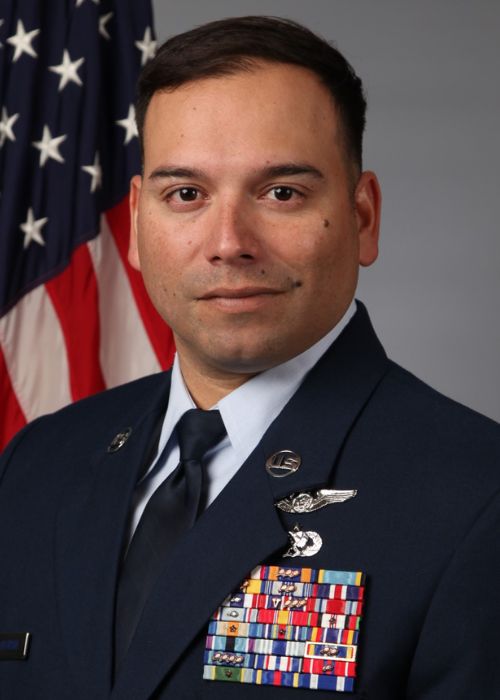
Senior Master Sergeant Robert Alvarado is the Air Education and Training Command Special Missions Aviator Functional Manager, Headquarters Air Education and Training Command, Joint Base San Antonio – Randolph, Texas. He is responsible for the development, training, management and effective utilization of over 174 Formal Training Unit instructors assigned to four geographically separated locations. SMSgt Alvarado manages undergraduate and graduate aircrew training pipelines that execute 63 syllabi to produce over 500 career enlisted aviator (CEA) and pilot graduates annually. His aircrew training portfolio includes eight pipelines valued at $1.3 billion. Additionally, SMSgt Alvarado develops enlisted initial skills accession programming for the career field, coordinates with the Air Force Personnel Center to prioritize manpower within the Command and provides strategic guidance to the Career Field Manager. Sergeant Alvarado was born in Houston, Texas and is a graduate of John F. Kennedy High School. He entered the Air Force in May 2001 as a Communications & Navigation Systems technician and worked on the MH-53M, MC-130P, and C-17A aircraft. In 2012, he retrained as a Combat Search and Rescue Flight Engineer on the HH-60G and deployed in support of Operations Enduring Freedom, Freedom’s Sentinel, Inhirent Resolve and operations across the Horn of Africa. He crewed one of three rescue helicopters deployed in support of Hurricane Harvey rescue operations, saving 37 lives. Sergeant Alvarado also served as the Senior Enlisted Leader of Air Force Space Command’s Search & Rescue Detachment 45, ensuring the successful launch and recovery coverage of the first commercial space launch and later first human space launch. Prior to his current position, Senior Alvarado was the Senior Enlisted Leader of the 512th Rescue Squadron and 58th Training Squadron, Kirtland AFB, New Mexico. EDUCATION 2004 Associate of Science in Avionics Systems Technology, Community College of the Air Force 2006 Bachelor of Science in Aerospace Science, Embry-Riddle Aeronautical University, Daytona, FL. 2007 Associate of Science in Instructor of Technology and Military Science, Community College of the Air force 2008 Bachelor of Science in Workforce Education, Training & Development, Southern Illinois University at Carbondale, Carbondale, IL. 2011 Master of Science in Human Resource Management, University of Maryland University-College, Adelphi, MD. 2012 Master of Business Administration, University of Maryland University-College, Adelphi, MD. 2015 Associate of Science in Aviation Operations, Community College of the Air Force 2021 United States Air Force Senior Non-Commissioned Officer Academy, Maxwell AFB, AL. 2023 Joint Special Operations Forces Senior Enlisted Academy, MacDill AFB, FL ASSIGNMENTS 1. April 2002 – May 2005, Communication & Navigation Systems Journeyman, 352d Maintenance Squadron, RAF Mildenhall, UK. 2. June 2005 – October 2010, C-17 Communication & Navigation Systems AETC Instructor, 373d Training Squadron, Detachment 5, Charleston AFB, SC. 3. November 2010 – February 2012, First-Term Airman Center Non-Commissioned Officer In-Charge, 628th Air Base Wing, Charleston AFB, SC. 4. March 2012 – May 2013, Integrated Counter Measure, Communication & Navigation Systems Section Chief, 437th Aircraft Maintenance Squadron, Charleston, AFB, SC. 5. May 2015 – April 2017, HH-60G Combat Flight Chief, 41st Rescue Squadron, Moody AFB, GA. 6. May 2017 – October 2019, 23d Wing Plans & Exercises Superintendent, 23d Wing, Moody AFB, GA 8. November 2019 – November 2021, HH-60G Operations Superintendent, 41st Rescue Squadron, Moody AFB, GA. 9. December 2021 – November 2022, Senior Enlisted Leader, 58th Training Squadron, Kirtland AFB, NM. 10. December 2022 – March 2024, Senior Enlisted Leader, 512th Rescue Squadron, Kirtland AFB, NM 11. April 2024 – Present, Special Missions Aviator Command Functional Area Manager, JBSA-Randolph, TX
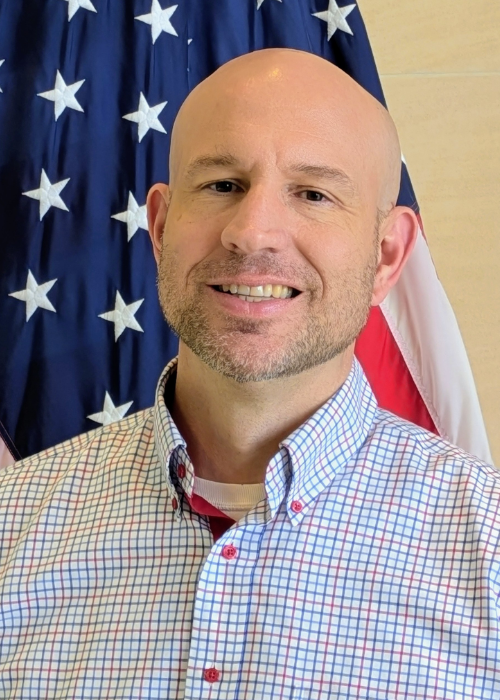
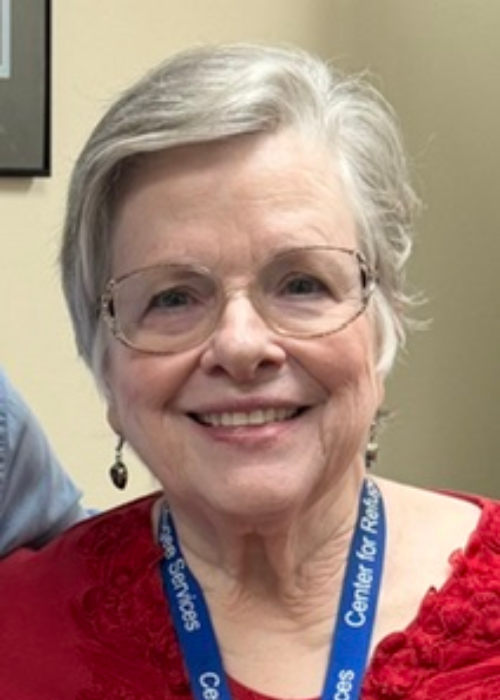
Margaret Costantino, MA, is the co-founder and past Exec. director of Center for Refugee Services in San Antonio, TX, Agency is a 501c3 charitable nonprofit founded in 2010. Mission is to facilitate the successful community integration of legally resettled refugees with focus on health and wellness, educational support, and employment. I retired from UT San Antonio as career counselor/adjunct professor with 20 years experience assisting/teaching undergraduate students. Retired LPC counselor. Currently volunteer at CRS as case manager and case manage liaison with (free) SA Refugee Health Clinic, a collaborative, student run health clinic featuring medical, nursing, and dental students and faculty from UT Health.
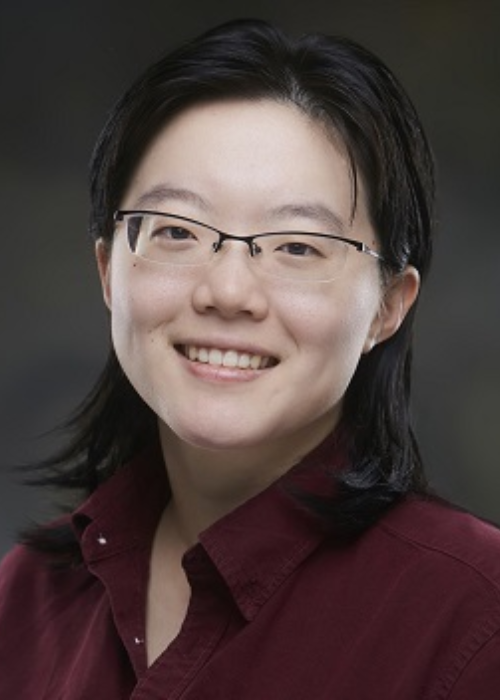
Tiffany Wang, MD, is a 4th year psychiatry resident at UT Health San Antonio. She served as a Resident Clinic Director for the San Antonio Refugee Health Clinic Psychiatry Night from 2024-2026.
Jill Nakrani, MA, LPC-Associate, NCC, is a therapist, educator, and co-founder of Kinfolk Healing Collective, PLLC, based in San Antonio, Texas. Currently pursuing her Ph.D. in Counselor Education and Supervision at St. Mary’s University, Jill’s clinical practice and community leadership focus on trauma-informed, affirmative, and culturally responsive care for underserved populations. She serves as Chair of the Clinical Committee on the Board of Directors for Pride Center San Antonio, where she helps guide clinical operations, internship programming, and accessible mental health services. Jill brings expertise in trauma-informed psychotherapy, community-led healing models, and systemic support for LGBTQ+ and diverse populations navigating high-acuity distress and identity-based stress.
Amy L. Stone is Professor of Sociology at Trinity University. They have been a longtime collaborator with Pride Center San Antonio on several community-based research projects. They are the author and editor of books about LGBTQ life in the United States, including Out of the Closet, Into the Archives: Researching Sexual Histories, Gay Rights at the Ballot Box, and Cornyation: San Antonio’s Outrageous Fiesta Tradition. They are also the author of works on contemporary LGBTQ life, including Queer Carnival: Festivals &Mardi Gras in the South. They co-lead the research project Family Housing and Me (FHAM Project), the landmark longitudinal study about nonparental relatives and housing stability of LGBTQ youth in Texas and California. With their collaborators, they helped design the Sexual and Gender Minorities Adverse Childhood Experiences (SGM-ACEs) scale.