
What Mental Health Professionals Working with Current or Former Content Moderators Need to Know
This briefing is intended for mental health professionals working with current or former content moderators. It translates emerging evidence on moderation as trauma-exposed work into recommendations for mental health professionals.
Jump To:
Public Awareness & Civil Society
Ways to build understanding, reduce stigma and foster collective responsibility for the people who keep digital spaces safer for all.
Industry & Employers
Guidance for building psychologically safe, healthy and sustainable workplaces for content moderators.
Policymakers & Regulators
Evidence-informed recommendations for ensuring regulation and policy protect the psychological safety and wellbeing of content moderators.
Clinical takeaways for Mental Health Professionals
- Assess for PTSD and other common mental and physical health effects
- Consider cumulative and ongoing exposure, not only single-incident trauma, as well as other work protective or stressful work factors
- Clarify confidentiality early, especially where NDAs or secrecy concerns are present
- Validate reactions without assuming that all CMs will develop disorder
- Attend to shame, disgust, sleep disruption, somatic symptoms, and moral injury
- Mental health professionals who work with CMs should stay informed on emerging research and practice recommendations as more work emerges.
Who are content moderators (CMs)?
Content moderators (CMs) are professionals who review and remove harmful online material such as child sexual abuse, exploitation, violence, and hate-based content from social media and other internet platforms before most people ever see it. Some CMs are repeatedly exposed to traumatic digital content as part of their routine work (Spence et al., 2023; Spence et al., 2024). For mental health professionals this is important because such exposure may contribute to trauma-related and other psychological difficulties in a population clinicians may increasingly encounter in practice.

What does CM work look like?
Content moderation is not a uniform task (Steiger et al., 2021). Some CMs deal mostly with spam or nudity violations, whereas others spend shifts watching murders, rape, torture, and acts of extreme hate.
In many systems, automated tools triage content before uncertain, complex, or severe cases are sent to human reviewers. In practice, this can mean that moderators are exposed to a concentrated stream of the most harmful material. CMs often work within productivity-drive systems that provide limited control over the pace or nature of incoming content (Makhijani et al., 2021). Many systems push new items immediately after one is resolved, leaving little time for emotional processing, and workers may feel unable to skip or delay particularly disturbing items without penalty.
Unlike some trauma-exposed occupations, moderators may experience exposure that is repetitive, cumulative, and routine rather than organized around discrete critical incidents followed by recovery time. This pattern may increase risk, particularly where work is poorly supported or highly isolating (Espindola, 2025).
An additional challenge of content moderation is lack of closure, Moderators rarely learn whether a victim was identified, helped, or safeguarded or whether a perpetrator was held accountable. This absence of resolution may contribute to helplessness and frustration but also create difficulty in finding meaning in the work.
Another contributing factor is the social media industry’s reliance on outsourcing moderation to third-party vendors, often in low- and middle-income countries. The outsourcing model often relies on temporary or contract employment, meaning many CMs lack the stability and support systems of full-time employees.
Non-disclosure agreements (NDAs) can further exacerbate stress. CMs are typically bound by NDAs forbidding them from discussing specifics of what they see, in order to protect user privacy and corporate security. In practice, NDAs isolate workers as they can feel that they cannot tell even therapists or family about what they have witnessed, blocking avenues of emotional support. These conditions may increase shame, isolation, perceived lack of control, and difficulty accessing support.
The Mental Health Effects of Content Moderation – What Do We Know?
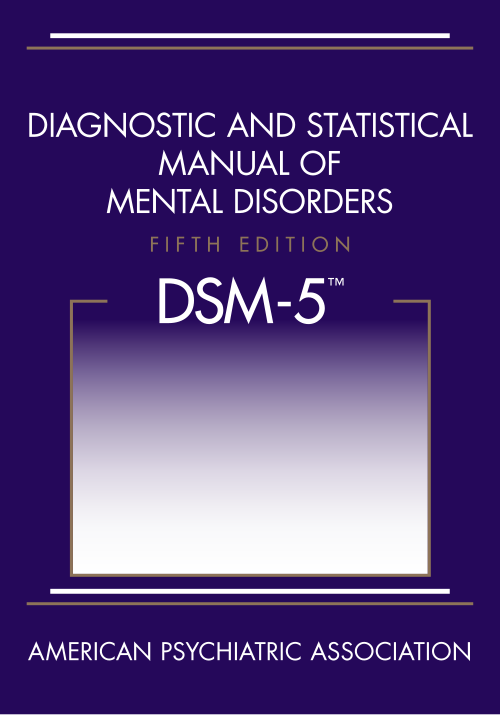
Repetitive work-related exposure to traumatic digital content may meet trauma exposure criteria and may contribute to posttraumatic stress disorder (PTSD) and other trauma-related difficulties in some content moderators. The Diagnostic and Statistical Manual-5 (DSM-5) notes the following as a source of trauma that could cause PTSD:
(4) Experiencing repeated or extreme exposure to aversive details of the traumatic event(s) (e.g., first responders collecting human remains; police officers repeatedly exposed to details of child abuse). Note: Criterion A4 does not apply to exposure through electronic media, television, movies, or pictures, unless this exposure is work-related.
A 2022 update to the DSM, the DSM-5TR, further elucidates A(4) and aligned it more closely with content moderation, stating in the text that ‘Indirect exposure can also occur through photos, videos, verbal accounts, or written accounts.’
The International Classification of Diseases-11 (ICD-11) (WHO, 2022) describes prerequisite trauma exposure for a PTSD diagnosis as ‘Exposure to an event or situation (either short- or long-lasting) of an extremely threatening or horrific nature.’ The ICD-11 does not require the exposure to be experienced or witnessed in-person, thus content moderation work also meets the ICD-11 trauma criterion for a PTSD diagnosis.
Emerging research shows that content moderation is associated with a high prevalence of mental health problems.
While PTSD is a common outcome of content moderation, moderators may also present with depression, anxiety, burnout, sleep disturbance, somatic symptoms, substance misuse and moral injury-related difficulties. In a survey study of 188 current and former CMs, only a minority (6.9%) scored in the low range of the psychological distress scale while over a third (34.6%) scored in the moderate-to-severely distressed range. In addition, over a quarter (27.4%) scored low on well-being (Spence et al., 2024). A similar study with 160 CMs found that a quarter (24.4%) scored in the moderate-to-severe range of psychological distress and over a quarter (28.8%) scored in the low well-being range, with only 13.5% scoring in the high range (Spence and DeMarco, 2025).
Other studies showed probable diagnoses based on validated clinical cutoffs were elevated among current and former CMs (PTSD: 25.9-26.3%; depression: 42.1-48.5%). In addition, high rates of somatic symptoms (e.g., headaches, stomach problems, low energy; 68.7–89.5%) and alcohol misuse (10.5%-18.3%) were reported (Gauthier et al., Submitted). In a study comparing CMs to employees of the same company who did not have exposure to traumatic digital content, CMs had higher interviewer‑rated PTSD severity and higher likelihood of both a current mood disorder and lifetime major depressive disorder (RR = 2.15) (Gauthier et al., Submitted).
In qualitative interviews, CMs have reported intrusive memories, anxiety, burnout, avoidance, cynicism, and emotional detachment (Spence et al., 2023a; Spence et al., 2023).
Findings from related professions exposed to repeated traumatic digital material, such as investigators reviewing child sexual abuse content, showed similar patterns of traumatic stress, burnout, moral injury, intrusive imagery, and emotional exhaustion. This literature reinforces the importance of recognizing repeated digital exposure as clinically significant (Doyle et al., 2023, Gewirtz-Meydan et al., 2023, 2024; Mitchell et al., 2023; Rimer et al., 2025.
How Content Moderators May Present in Clinical Practice
Content moderators may present with a range of difficulties. Some may present with a clear mental health diagnosis or diagnoses, while others may not fit neatly into diagnostic categories. Common presentations may include:
Intrusive imagery
Low mood
Disgust reactions
Avoidance of intimacy
Nightmares
Emotional numbing
Sleep disturbances
Alcohol or substance misuse
Hypervigilance
Cynicism
Somatic complaints
Moral-injury distress
Anxiety
Shame
Avoidance of children
Relationship strain
In some cases, workers may not initially connect these difficulties to their job, particularly where workplace cultures normalize distress or discourage disclosure.
Considerations for Mental Health Professionals Working with CMs
Given the growing number of current and former CMs, and the preliminary data suggesting high rates of mental health impacts, mental health professionals should be prepared to encounter CMs in their practice.
Assessment and case formulation. When assessing trauma history, clinicians may wish to inquire directly about occupational exposure to graphic or traumatic digital content. For clients who have worked in content moderation, assessment should include:
PTSD
Depression
Suicide risk
Anxiety
Somatic symptoms
Moral injury
Substance use
Sleep disruption
Burnout
Case formulation should include:
Cumulative exposure
Workplace secrecy/NDA concerns
Whether exposure is on-going
Financial dependence on role
Degree of control client has over work
Supportive or stressful factors in the workplace
Formulation should also include whether symptoms are better understood as trauma-related, burnout-related, or a combination of both.
Validation and Psychoeducation.
For reasons such as poor workplace support and NDAs, CMs may have little information about how the nature of their work may affect their mental health. Validating that the content to which the CMs were exposed could make them vulnerable to post-traumatic conditions can help CMs understand that their reactions are common and understandable responses to traumatic exposure under stressful work conditions (Drottin, 2021). Psychoeducation may be especially important where workers received little preparation for the cumulative effects of repeated digital trauma exposure or have internalized workplace norms that minimize distress.
Confidentiality
Given CMs’ potential concerns about NDAs, it may be helpful to explicitly state that moderator work can be discussed in therapy confidentially within the usual legal and ethical limits of practice. Clinicians can also explain that effective treatment does not require disclosure of every operational or platform specific detail and that therapy can focus on symptoms, triggers, meanings, bodily reactions, relational effects, and functional impairment.
Practical therapy considerations.
Therapy with CMs may be complicated by the fact that exposure is sometimes ongoing. For some clients, symptom reduction will be difficult if they remain in high exposure work without meaningful control, support, or recovery time. Treatment planning may need to include discussion of workplace coping, exposure reduction, leave, redeployment, or job change where possible, alongside attention to shame, disgust, sleep disruption, worldview changes and relationship difficulties that may arise from the work.
Treatment.
Guideline - recommended treatments would be appropriate for CMs with PTSD (Hamblen et al., 2019) or other diagnosable conditions such as depression or substance use disorders. For those presenting with subthreshold traumatic stress symptoms or chronic stress, intervention may focus on restoring a sense of safety, strengthening emotional regulation, problem-solving options for potential job changes, challenging distorted cognitions, and rebuilding connection and meaning. Clinicians should also attend to somatic symptoms or other health complaints, as chronic exposure to traumatic stress can manifest in physical problems and interventions may need to target both mental and physical health. For current CMs, treatment may need to incorporate practical strategies for reducing exposure alongside skills training in adaptive (problem- and emotion-focused) coping over avoidance (Powell et al., 2014; Spence & DeMarco, 2025). Supportive counselling or coaching approaches may also be helpful to current CMs who are feeling a great deal of stress or burnout. Mindfulness skills and cognitive behavioural skills may also be useful (Savio et al., 2025; Steiger et al., 2021).
Note: Material in this brief summarized from DeMarco, Watson, & Norman (2026). Commercial Content Moderation: Trauma exposure on the digital frontline. Journal of Traumatic Stress.
Please see The Workplace Brief for further suggestions for workplace strategies to deal with mental health challenges.
References
- American Psychiatric Association. (2013). Diagnostic and statistical manual of mental disorders (5th ed.). American Psychiatric Publishing.
- DeMarco, Watson, & Norman (2026). Commercial Content Moderation: Trauma exposure on the digital frontline. Journal of Traumatic Stress.
- Doyle, M., Tapson, K., Karagiannopoulos, V., & Lee, P. (2023). Impacts of organisational role and environmental factors on moral injury and trauma amongst police investigators in Internet Child Abuse Teams. The Police Journal, 96(1), 153–171.
- Espíndola, J. (2025). Against Human Content Moderation: Algorithms without Trauma. Journal of Applied Philosophy. https://onlinelibrary.wiley.com/doi/full/10.1111/japp.70024
- Gauthier, G. M., Ali, E., Asim, A., Cornell-Maier, S. & Zoellner, L. A. (Submitted). I’ve seen enough: Measuring the toll of content moderation on mental health (arXiv:2511.09813) [Preprint]. arXiv. https://doi.org/10.48550/arXiv.2511.09813
- Gewirtz-Meydan, A., Mitchell, K. J., & O'Brien, J. E. (2023). Sexual posttraumatic stress among investigators of child sexual abuse material. Policing: A Journal of Policy and Practice, 17, paad052. https://doi.org/10.1093/police/paad052
- Gewirtz-Meydan, A., Mitchell, K. J., & O'Brien, J. E. (2024). Trauma behind the keyboard: Exploring disparities in child sexual abuse materials exposure and mental health factors among investigators and forensic examiners—A network analysis. Child Abuse & Neglect, 152, 106757.
- Gewirtz-Meydan, A., Mitchell, K. J., O'Brien, J. E., & Finkelhor, D. (2025). Exposure to child sexual abuse materials among law enforcement investigative personnel: Exploring trauma and resilience profiles. Psychological Trauma: Theory, Research, Practice, and Policy. Advance online publication. https://doi.org/10.1037/tra0001692
- Hamblen, J. L., Norman, S. B., Sonis, J. H., Phelps, A. J., Bisson, J. I., Nunes, V. D., Megnin-Viggars, O., Forbes, D., Riggs, D. S., & Schnurr. P. P. (2019). A guide to guidelines for the treatment of posttraumatic stress disorder in adults: An update. Psychotherapy, 56(3), 359–373. doi: 10.1037/pst0000231
- Makhijani, R., Shah, P., Avadhanula, V., Gocmen, C., Stier-Moses, N. E. & Mestre, J. (2021). QUEST: Queue simulation for content moderation at scale. arXiv. https://arxiv.org/abs/2103.16816
- Mitchell, K. J., Gewirtz-Meydan, A., Finkelhor, D., O’Brien, J. E., & Jones, L. M. (2023). The mental health of officials who regularly examine child sexual abuse material: Strategies for harm mitigation. BMC Psychiatry, 23(1), 940.
- Powell, M., Cassematis, P., Benson, M., Smallbone, S., & Wortley, R. (2014). Police officers’ strategies for coping with the stress of investigating Internet child exploitation. Traumatology: An International Journal, 20(1), 32.
- Rimer, J. R., Brown, S., Martin, J., & Slane, A. (2025). “Once you see it you can't unsee it”: Law enforcement trauma and immersion in child sexual abuse material. Child Protection and Practice, 4, 100085.
- Savio, M. T., Balammal, A., de Villa, J. C., Perez, J., Huang, X., & Guevara, R. L. (2025). Longitudinal comparison of psychological outcomes of professional content moderators engaged in resilience training program. Frontiers in Psychiatry, 16, Article 1666543. https://doi.org/10.3389/fpsyt.2025.1666543
- Spence, R., Bifulco, A., Bradbury, P., Martellozzo, E. & DeMarco, J. (2023). The psychological impacts of content moderation on content moderators: A qualitative study. Cyberpsychology: Journal of Psychosocial Research on Cyberspace, 17(4), Article 8. https://doi.org/10.5817/CP2023-4-8
- Spence, R. & DeMarco, J. (2025). Content moderator mental health and associations with coping styles: replication and extension of previous studies. Behavioural Sciences, 15(4), 487. https://www.mdpi.com/2076-328X/15/4/487
- Spence, R., Harrison, A., Bradbury, P., Bleakley, P., Martellozzo, E. & DeMarco, J. (2023a). Content moderators’ strategies for coping with the stress of moderating content online. Journal of Online Trust and Safety, 1(5), 1–18. https://doi.org/10.54501/jots.v1i5.91
- Spence, R., Martellozzo, E. & DeMarco, J. (2024). Content moderator coping strategies: Associations with psychological distress, secondary trauma, and well-being. Journal of Media Psychology: Theories, Methods, and Applications. https://psycnet.apa.org/record/2025-40565-001
- Steiger, M., Bharucha, T. J., Venkatagiri, S., Riedl, M. J. & Lease, M. (2021). The psychological well-being of content moderators: The emotional labor of commercial moderation and avenues for improving support. In Proceedings of the 2021 CHI Conference on Human Factors in Computing Systems (pp. 1–14). Association for Computing Machinery. https://doi.org/10.1145/3411764.3445092
- World Health Organization. (2022). ICD-11: International classification of diseases (11th revision). https://icd.who.int